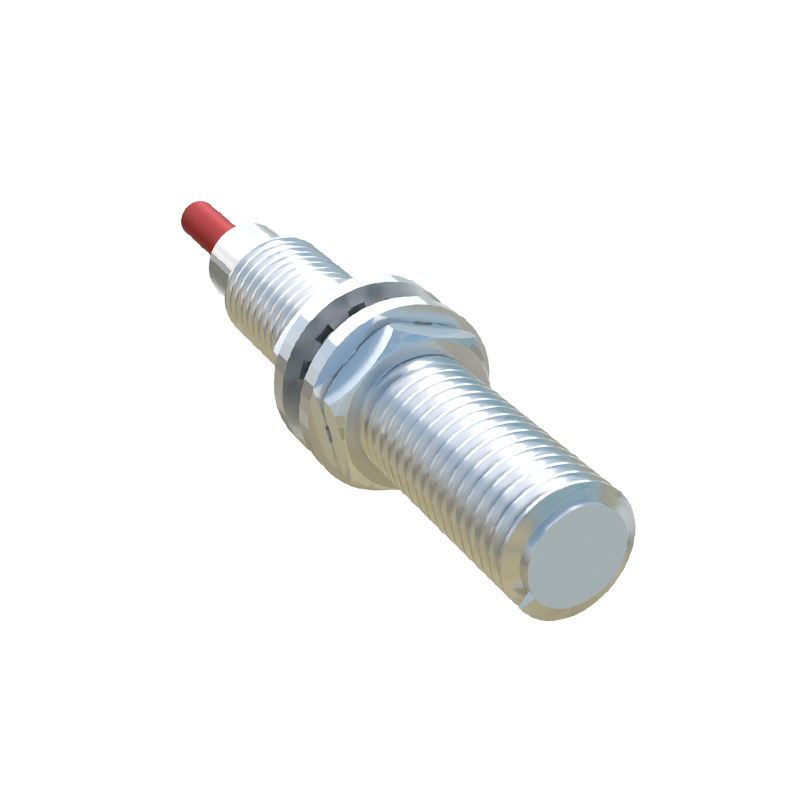
In the intricate world of industrial automation and machine control, the reliability and precision of sensing components are paramount. Among the myriad of devices available, the NJK-5002A proximity switch sensor stands out as a robust and widely utilized solution for non-contact detection. This article provides a comprehensive technical examination of the NJK-5002A, exploring its operational principles, key specifications, typical applications, and best practices for integration.
At its core, the NJK-5002A is an inductive proximity sensor. This technology operates on the principle of electromagnetic induction. The sensor contains an oscillator circuit that generates a high-frequency electromagnetic field emanating from its active face. When a metallic object (the "target") enters this field, eddy currents are induced within the target. This causes a change in the oscillation amplitude within the sensor, which is detected by a threshold circuit. This detection event triggers a change in the sensor's output state, typically switching a solid-state NPN or PNP transistor. The key advantage of this inductive method is its ability to detect ferrous and non-ferrous metals without any physical contact, ensuring long operational life and minimal maintenance.
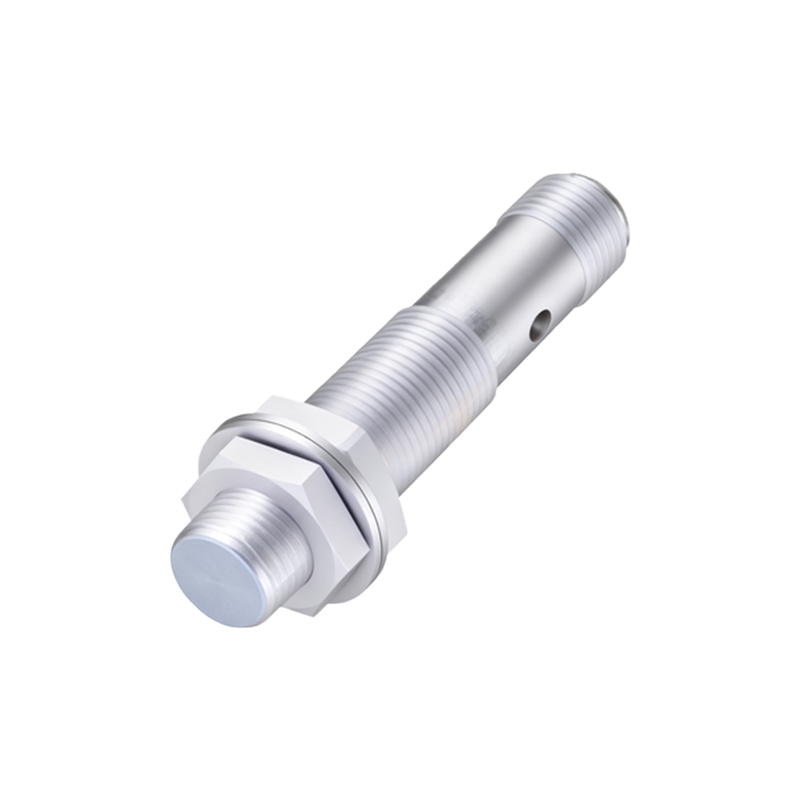
The "NJK-5002A" designation typically implies a specific form factor and set of characteristics common to this series. These sensors are often cylindrical in shape (e.g., M12 or M18 threaded barrel) with a shielded or unshielded design. A shielded (flush-mountable) version allows for side-by-side installation without mutual interference, whereas an unshielded version offers a slightly longer sensing range. The sensing distance for a model like the NJK-5002A is usually standardized, such as 2mm, 4mm, or 8mm, depending on the exact variant. It is crucial to consult the specific datasheet, as "5002a" may denote a particular sensing range and output configuration. The output is commonly a 3-wire DC type (V+, Output, 0V), compatible with standard programmable logic controllers (PLCs) and relay modules. Operating voltage ranges are typically between 10-30V DC, making them suitable for most industrial control panels.
Key performance parameters define its suitability for various tasks. Repeat accuracy is exceptionally high, meaning the sensor consistently detects a target at the same precise point. Switching frequency, measured in Hertz (Hz), indicates how quickly the sensor can detect objects passing by—a critical factor for high-speed production lines. Environmental robustness is another hallmark. The NJK-5002A is generally built to withstand harsh conditions, featuring ingress protection ratings like IP67, which signifies complete protection against dust and protection against immersion in water up to 1 meter for 30 minutes. This makes it ideal for environments with coolant, oil mist, or particulate contamination.
Application scenarios for the NJK-5002A are vast across manufacturing and processing industries. Common uses include position sensing (e.g., verifying a cylinder is fully extended or retracted), end-of-travel limit switching on linear actuators, object counting on conveyor belts, and detecting the presence of metal parts in assembly jigs or robotic grippers. In packaging machinery, it can detect the presence of a metallic foil seal. In automotive assembly, it ensures a component is correctly positioned before a welding operation. Its reliability is key in safety interlock systems, where a machine must not operate unless a guard is securely in place.
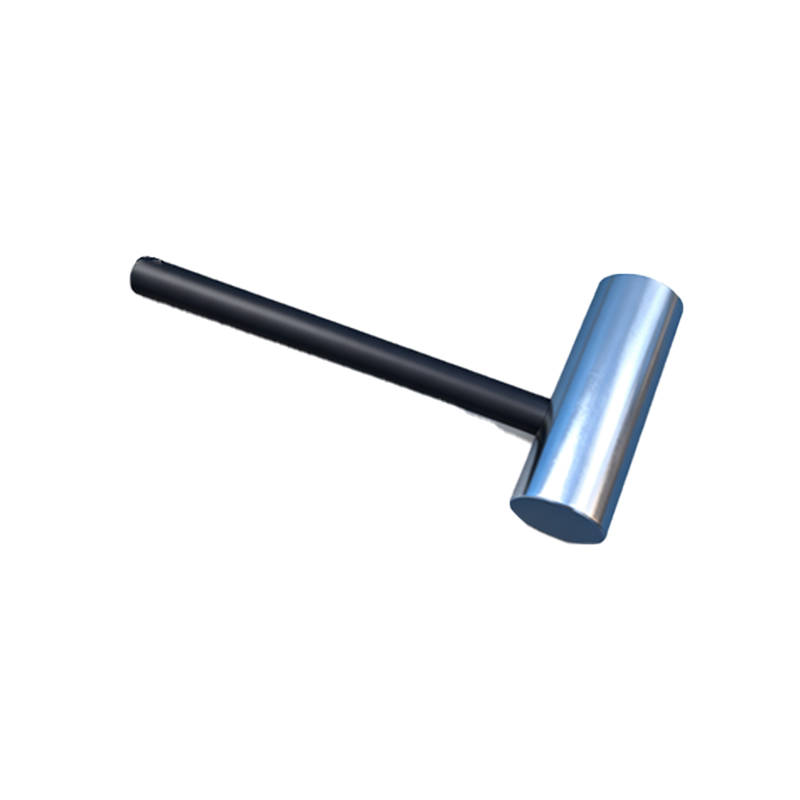
For optimal performance, correct installation and wiring are non-negotiable. Installers must respect the stated sensing distance and ensure the target material and size meet the sensor's specifications. For instance, the effective sensing range can reduce for non-ferrous metals like aluminum or copper compared to steel. Proper grounding and the use of shielded cables in electrically noisy environments are recommended to prevent false triggering. When connecting to a PLC input, attention must be paid to whether the sensor provides a sinking (NPN) or sourcing (PNP) output to match the PLC's input card configuration. Regular maintenance, though minimal, should involve cleaning the sensing face of any buildup that could attenuate the electromagnetic field.
In conclusion, the NJK-5002A proximity sensor exemplifies the dependable, workhorse component essential for modern industrial automation. Its inductive sensing technology provides a contactless, wear-free solution for countless detection tasks involving metallic objects. By understanding its technical specifications, environmental ratings, and correct application principles, engineers and technicians can leverage this sensor to enhance machine reliability, safety, and productivity. Always refer to the official manufacturer's documentation for the precise specifications and wiring diagrams of the specific NJK-5002A variant in use.