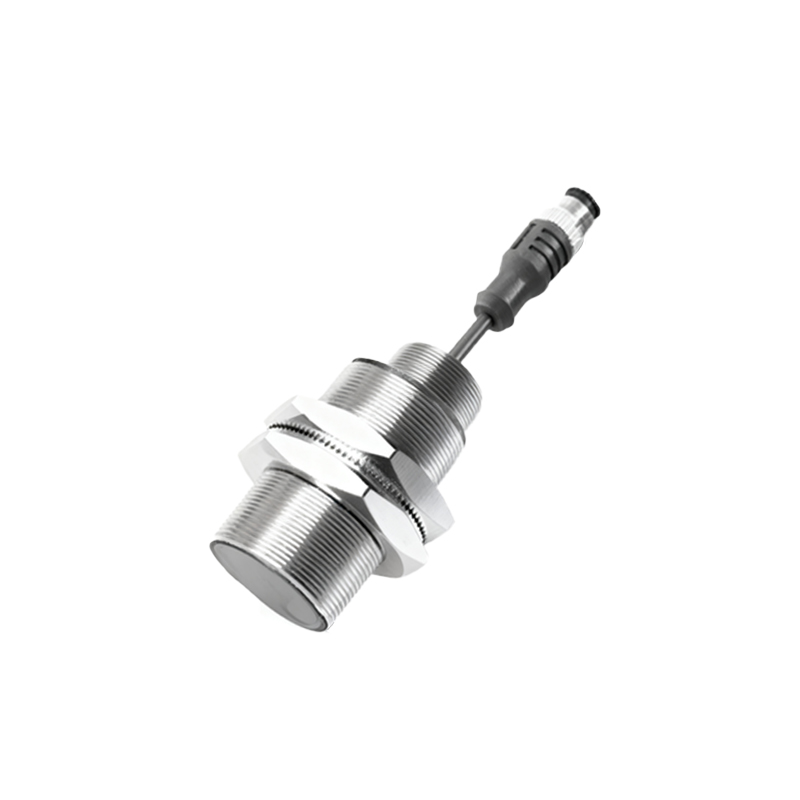
In the realm of industrial automation and precision control, the demand for reliable, space-efficient sensing solutions has never been higher. Among the most critical components meeting this demand are ultra-compact proximity switches designed specifically for metal detection. These sensors, often no larger than a few millimeters in diameter, represent a pinnacle of miniaturization and engineering ingenuity, enabling sophisticated machine functions in constrained environments.
Fundamentally, an ultra-compact proximity switch for metal sensing operates on the principle of electromagnetic induction or, in some high-frequency models, the eddy current effect. A typical sensor consists of an oscillator circuit that generates a high-frequency electromagnetic field from its active face. When a metallic target—such as steel, aluminum, copper, or brass—enters this field, eddy currents are induced on the target's surface. This interaction alters the oscillation amplitude or frequency within the sensor. An integrated evaluation circuit detects this change and triggers a solid-state switching output, signaling the presence of the metal object without any physical contact. This non-contact operation is a key advantage, eliminating mechanical wear and ensuring a long operational life, often rated in millions of cycles.
The design and manufacturing of these miniature sensors involve significant technical challenges. Engineers must balance extreme size reduction with robust performance. Key considerations include the sensing range, which, for these ultra-small units, typically ranges from 0.5 mm to 2 mm, depending on the target material and sensor size. The housing is usually constructed from stainless steel (e.g., V2A or V4A grades) or nickel-plated brass, providing high resistance to mechanical stress, coolants, and oils common in industrial settings. Despite their small footprint, they must maintain stable performance against environmental factors like temperature fluctuations (commonly from -25°C to +70°C), voltage variations, and electromagnetic interference (EMI). Advanced models incorporate features like short-circuit protection, reverse polarity protection, and increased noise immunity.
Wiring and output configuration are also vital. The most common designs are 3-wire DC models with PNP (sourcing) or NPN (sinking) transistor outputs, providing compatibility with standard programmable logic controllers (PLCs). Some variants offer analog outputs or IO-Link digital communication for integrated diagnostics and parameterization, representing the shift toward Industry 4.0 smart sensor capabilities. The threaded cylindrical housing, often in M3, M4, M5, or M8 sizes, allows for easy installation in tight spaces on machine tools, robotic grippers, assembly lines, and handling systems.
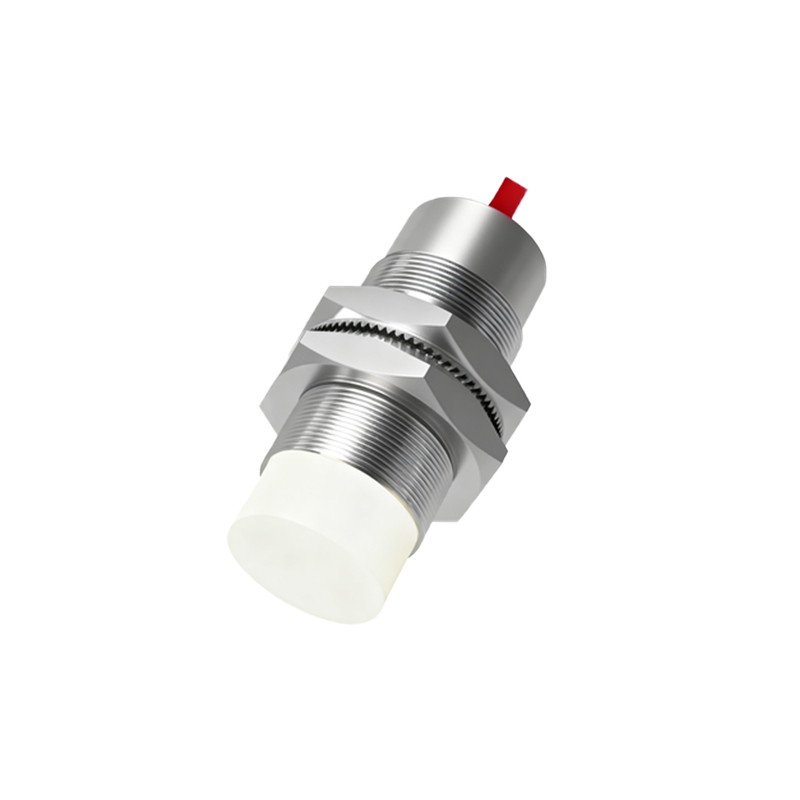
Application areas for these sensors are vast and critical. In semiconductor manufacturing, they detect the position of microscopic metal components or wafer carriers. In packaging machinery, they verify the presence of metal lids or caps at high speeds. Automotive assembly lines use them for precise positioning of engine parts, gear detection in transmissions, or end-position sensing in welding robots. The medical device industry employs them in compact diagnostic equipment where hygiene and reliability are paramount. Their ability to detect all metals, or be tuned for specific metals like non-ferrous alloys, adds to their versatility.

Selecting the right ultra-compact proximity switch requires careful analysis. Engineers must define the target material (ferrous metals like iron and steel generally offer longer sensing distances than non-ferrous ones), the required switching frequency, environmental conditions, and the necessary protection rating (IP67 is standard for dust and temporary immersion). Mounting conditions, such as flush or non-flush installation, significantly affect the sensing range and must be accounted for in the mechanical design.
Looking ahead, the trend is toward even greater miniaturization without sacrificing sensing performance or integrating more intelligence. The fusion of sensing, diagnostics, and network communication into a single micro-device will continue to drive innovation. For design engineers and maintenance professionals, understanding the operational principles, specifications, and application nuances of these ultra-compact metal sensors is essential for building more efficient, reliable, and intelligent automated systems. Their unassuming size belies their role as fundamental enablers of modern precision engineering.