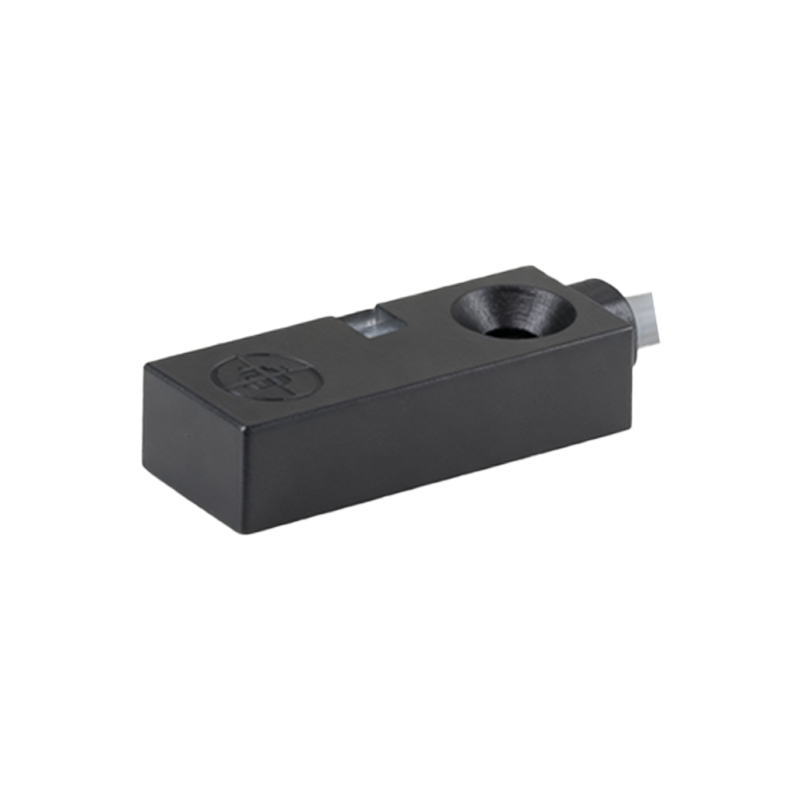
In the realm of industrial automation and control systems, cylindrical inductive proximity sensors stand as fundamental components for non-contact object detection. These robust devices operate on the principle of electromagnetic induction, offering reliable performance in demanding environments. Unlike mechanical switches, they detect metallic targets without physical contact, thereby eliminating wear and tear and ensuring long operational life. The typical cylindrical housing, often conforming to international standards like IEC 60947-5-2, provides ease of installation and compatibility with standard mounting fixtures.
The core operating principle involves an oscillator circuit that generates a high-frequency electromagnetic field at the active face of the sensor. When a metallic object enters this field, eddy currents are induced within the target. This causes a change in the oscillation amplitude or frequency within the sensor's coil. An evaluation circuit within the sensor detects this change and triggers a switching signal. The sensing distance, or nominal range, is a critical specification and is defined for a standard target of mild steel. It's important to note that this effective sensing distance can vary with different metals; for instance, stainless steel or aluminum typically reduces the range due to their different electrical conductivity and magnetic permeability.
Cylindrical inductive sensors are predominantly available in two output types: DC (NPN or PNP) and AC. DC versions, operating typically on 10-30 VDC, are common for programmable logic controller (PLC) interfaces. The NPN (sinking) and PNP (sourcing) configurations define the current flow direction in the output circuit. AC sensors, often used for direct control of solenoids or contactors, usually operate on 90-250 VAC. The output can be a simple two-wire device that acts like a switch in the power line, or more commonly, a three-wire or four-wire device with separate power, ground, and signal wires. Key performance characteristics include switching frequency (how many on/off cycles per second), repeat accuracy, temperature range, and protection ratings like IP67 or IP69K for resistance to dust and water ingress.
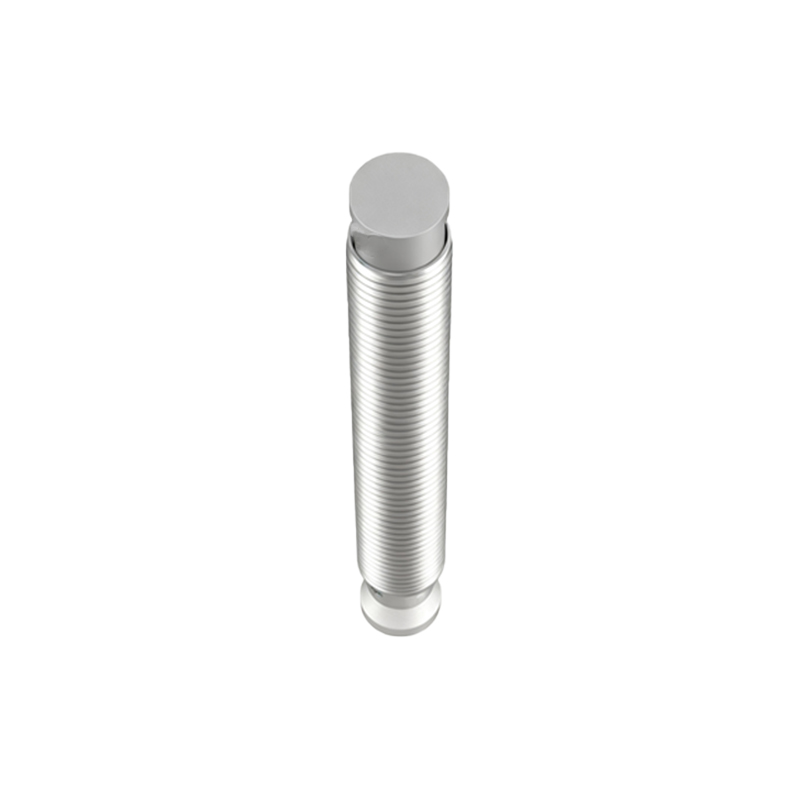
The applications for these sensors are vast and integral to modern manufacturing. They are routinely employed for position detection of machine parts, such as confirming the presence of a cylinder in its end position, counting metallic objects on a conveyor, monitoring rotational speed by detecting gear teeth, or ensuring proper part placement in assembly jigs. Their cylindrical form factor makes them ideal for embedding into machine structures. A significant advantage is their inherent resistance to environmental contaminants like oil, coolant, and dust, especially when equipped with appropriate housing materials like nickel-plated brass or stainless steel.
Selecting the right cylindrical inductive proximity sensor requires careful consideration of several parameters. First, the mounting conditions dictate the housing style: flush-mountable or non-flush. Flush-mountable sensors can be installed embedded in metal without affecting their sensing range, whereas non-flush sensors offer a longer range but require a non-metallic surrounding. The required sensing distance must be chosen with a safety margin, often 70-80% of the nominal range, to account for mechanical tolerances and target variations. The target material is crucial; sensors can be optimized for ferrous metals, non-ferrous metals, or offer a universal detection capability. Electrical characteristics like supply voltage, output type, and current rating must match the control system. For harsh environments, factors like housing material (e.g., stainless steel for corrosive settings), temperature rating, and the presence of weld-field immunity (for areas near resistance welding) are paramount.
Installation and wiring practices significantly impact sensor longevity and reliability. Proper shielding and separation from high-current power lines are necessary to prevent electromagnetic interference. Mechanical stress on the cable entry point should be minimized using cable glands or strain relief. Regular maintenance, though minimal, involves checking for physical damage, buildup of metallic swarf on the sensing face, and verifying the switching signal under operational conditions.
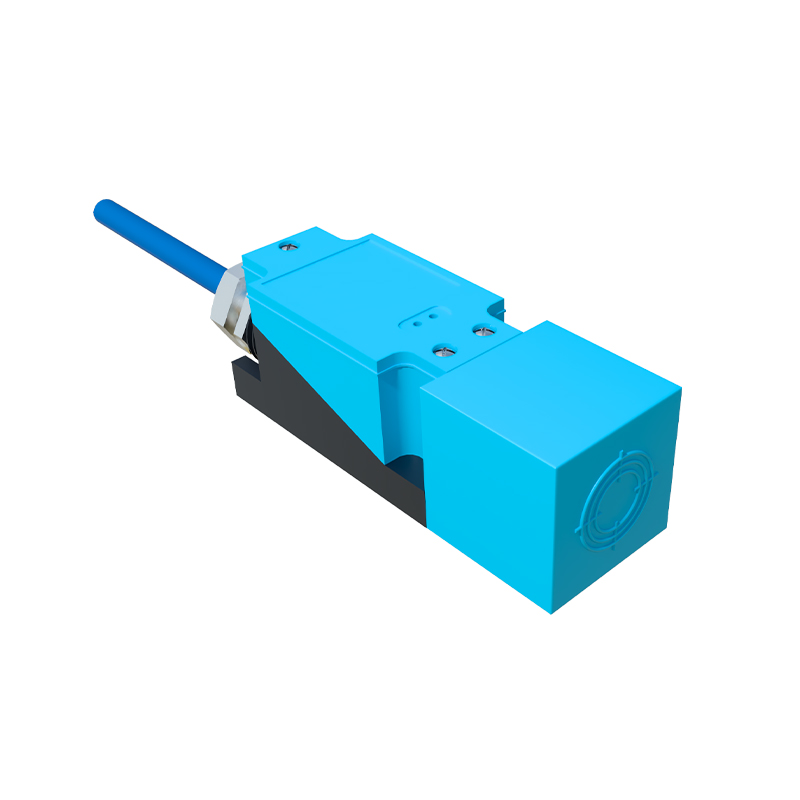
In conclusion, the cylindrical inductive proximity sensor is a versatile and durable workhorse in industrial sensing. Its non-contact operation, coupled with a simple yet effective operating principle, provides a critical link between the physical position of metal objects and the digital control world. By understanding their operating principles, key specifications, and application requirements, engineers and technicians can effectively integrate these sensors to enhance machine reliability, safety, and productivity across countless automated processes.