In the rapidly evolving landscape of industrial automation and smart equipment, the integration of ultra-compact proximity sensors has become a cornerstone of innovation. These diminutive yet powerful devices are fundamentally transforming how machines perceive their environment, enabling unprecedented levels of precision, reliability, and efficiency. As an electrical engineer with extensive field experience, I have witnessed firsthand the paradigm shift brought about by these advanced sensing solutions, particularly in applications where space constraints and performance demands are paramount.
Ultra-compact proximity sensors, typically defined by housing dimensions often less than a few millimeters in key profiles, are non-contact detection devices. They utilize various technologies, with inductive, capacitive, and photoelectric being the most prevalent in industrial settings. Inductive sensors excel in detecting metallic objects, making them indispensable in metalworking, automotive assembly, and robotic end-effector tooling. Their miniature form allows for installation in the tight confines of robotic joints, conveyor system guides, and within modular production cells where traditional sensors would be prohibitive. The latest models offer sensing ranges that rival their larger predecessors, debunking the myth that smaller size equates to reduced capability.
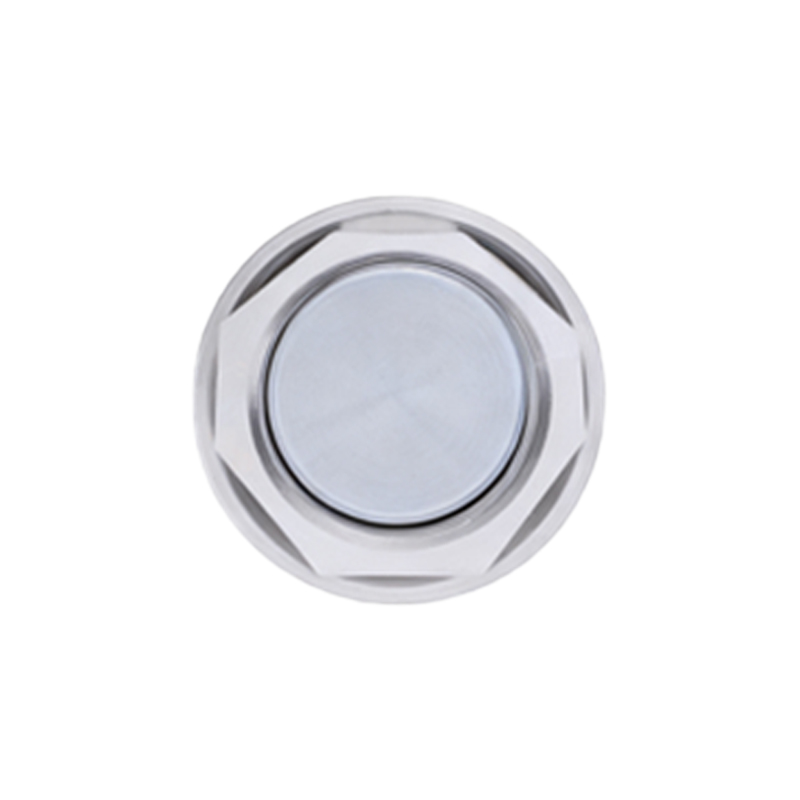
The application spectrum for these sensors is vast and growing. In semiconductor manufacturing and electronics assembly, where cleanrooms and microscopic precision are non-negotiable, ultra-compact sensors provide flawless part presence verification, wafer positioning feedback, and delicate component handling assurance. Their low mass and minimal footprint prevent interference with high-speed gantry systems and precision actuators. In the medical device industry, they enable sophisticated functionalities in portable diagnostic equipment and surgical robots, ensuring safe and accurate operation through precise detection of components, covers, or disposable tool attachments.
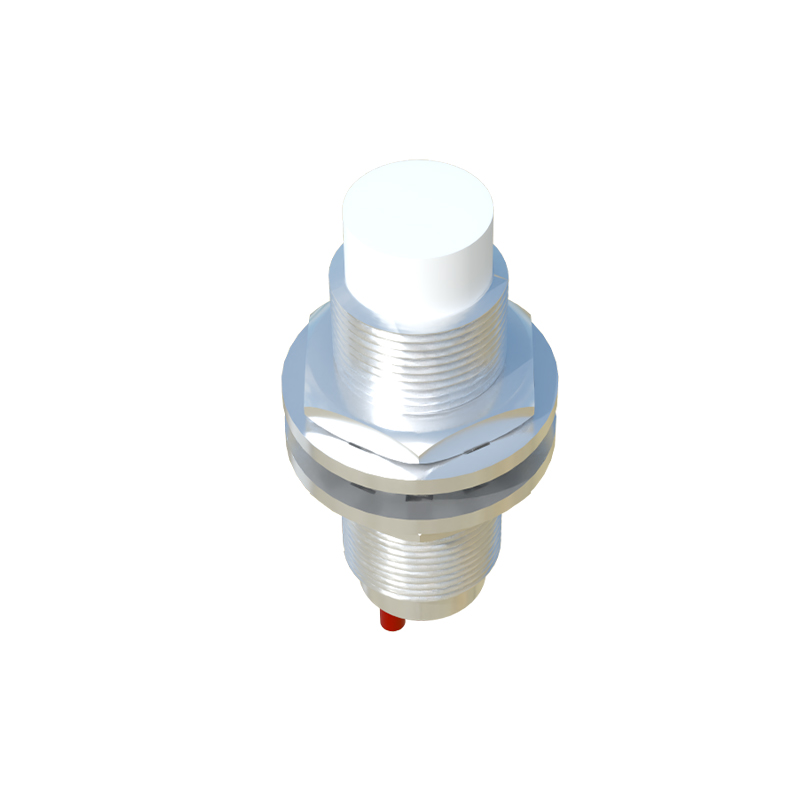
Another critical arena is in consumer electronics manufacturing and miniaturized machinery. The drive for smaller, more powerful devices like smartphones, wearables, and IoT modules demands production equipment that can handle tiny, fragile components with extreme accuracy. Ultra-compact sensors are embedded directly into pick-and-place heads, test fixtures, and assembly jigs to confirm component seating, detect feeder jams, and verify actuator positions without adding bulk or complexity. Their high-speed response, often in the microsecond range, is crucial for maintaining high cycle times and overall equipment effectiveness (OEE).
From a design engineering perspective, implementing these sensors requires careful consideration. Electrical integration involves selecting the appropriate output type (PNP/NPN, analog, or IO-Link) and ensuring compatibility with the controller's input modules. Wiring, though simplified by compact connectors or pre-cabled versions, must be planned to avoid noise interference in densely packed control cabinets. Mechanical mounting, while facilitated by versatile housing shapes (threaded barrels, rectangular blocks, or slot-style), demands attention to the sensor's sensing field orientation and potential blind spots. Environmental robustness is no longer a compromise; leading ultra-compact sensors boast high IP ratings (IP67, IP69K) for resistance to dust, coolants, and high-pressure washdowns, alongside wide operating temperature ranges.
The advent of smart sensor features has further amplified their value. Sensors with integrated IO-Link capability provide not just a switching signal but a wealth of diagnostic data—operating temperature, signal strength, calibration parameters, and more—enabling predictive maintenance and detailed process analytics. This turns a simple detection point into a node of intelligence on the factory network, contributing to Industry 4.0 and smart factory initiatives.
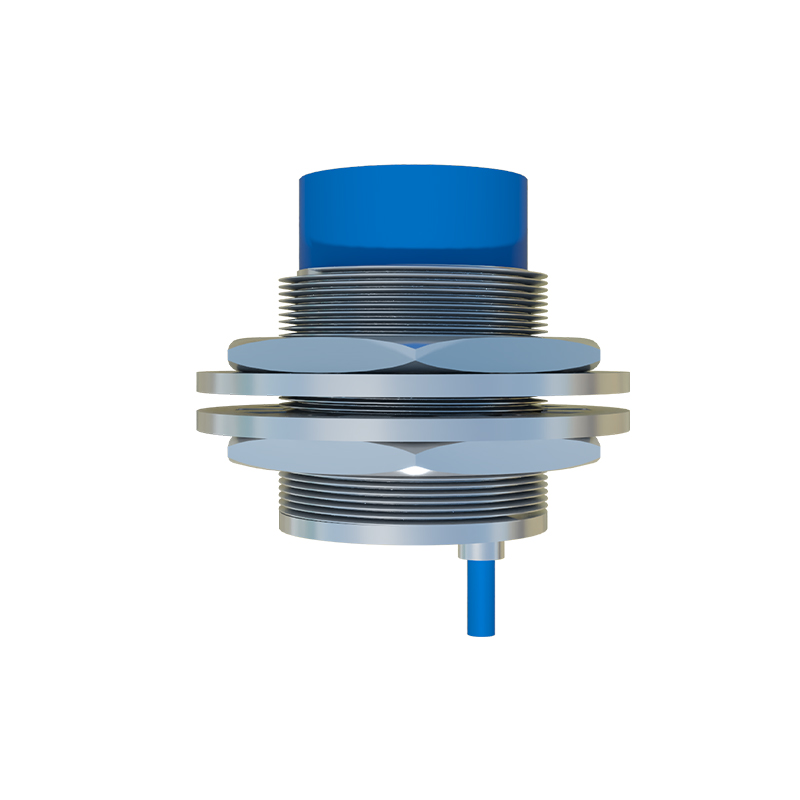
However, successful deployment hinges on understanding their limitations. The reduced size can sometimes mean a smaller active sensing face, requiring more precise alignment with the target. Engineers must meticulously calculate the necessary sensing distance, accounting for target material, size, and approach angle. Electromagnetic compatibility (EMC) in electrically noisy environments must be validated, though modern designs include robust shielding.
In conclusion, the strategic deployment of ultra-compact proximity sensors is a testament to the principle that great capability can come in small packages. They solve critical design challenges, unlock new equipment functionalities, and drive efficiencies across countless industries. For engineers designing the next generation of automated equipment, embracing these sophisticated components is not merely an option but a necessity to stay competitive in a market that demands ever-greater performance from ever-smaller footprints. The future will see these sensors becoming even more integrated, intelligent, and indispensable, continuing to push the boundaries of what is possible in machine design and industrial automation.