In modern industrial material handling systems, belt conveyors are the backbone of continuous transport. Their reliable operation is paramount for productivity, safety, and cost-efficiency. A critical component ensuring this reliability is the proximity sensor. These non-contact detection devices play a vital role in monitoring, controlling, and protecting conveyor systems. This guide delves into the engineering principles, selection criteria, and application best practices for proximity sensors in belt conveyor environments.
Proximity sensors are electronic devices that detect the presence or absence of a target object without physical contact. They operate by emitting an electromagnetic field or a beam of electromagnetic radiation and monitoring changes in the field or return signal. For belt conveyors, the primary targets are typically metal components like pulley shafts, cleats, or dedicated actuator flags. The most common types employed are inductive proximity sensors, which detect metallic objects, and capacitive sensors, which can detect a wider range of materials including certain non-metallics.
Key applications on belt conveyors include:
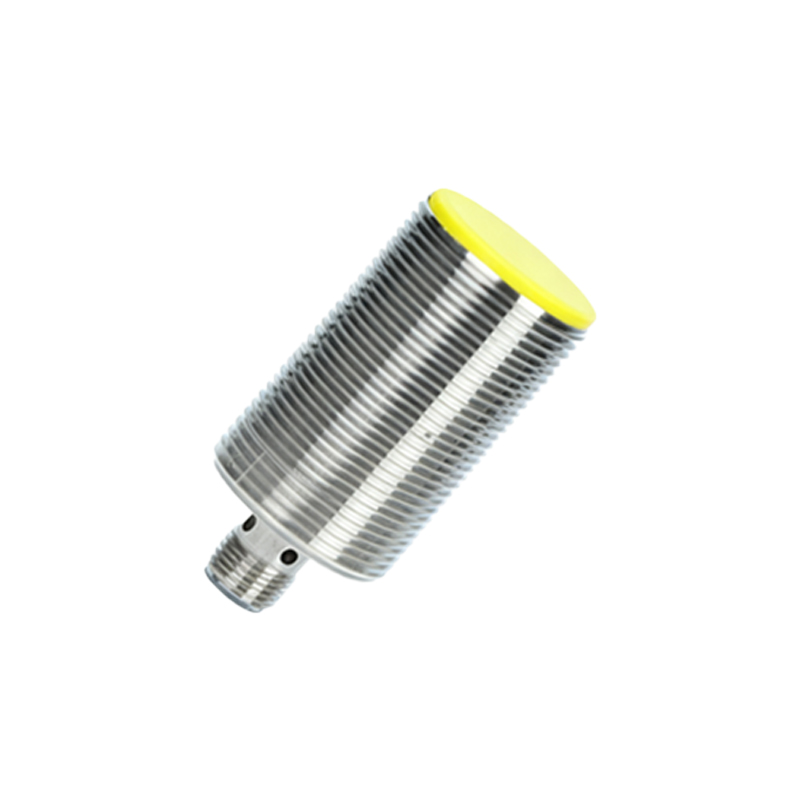
1. Speed Monitoring: Sensors mounted near the head or tail pulley shaft detect rotating bolts or a dedicated target wheel. By measuring the pulse frequency, the system calculates real-time belt speed. This is crucial for detecting under-speed (slip, breakage) or over-speed conditions, triggering alarms or automatic shutdowns to prevent damage.
2. Belt Alignment (Rip/Sway Detection): Sensors are strategically placed along the conveyor's edges. If the belt misaligns beyond a set limit, it physically contacts or comes close to a sensor actuator, triggering a switch that stops the conveyor. This prevents severe belt damage from running off the rollers.
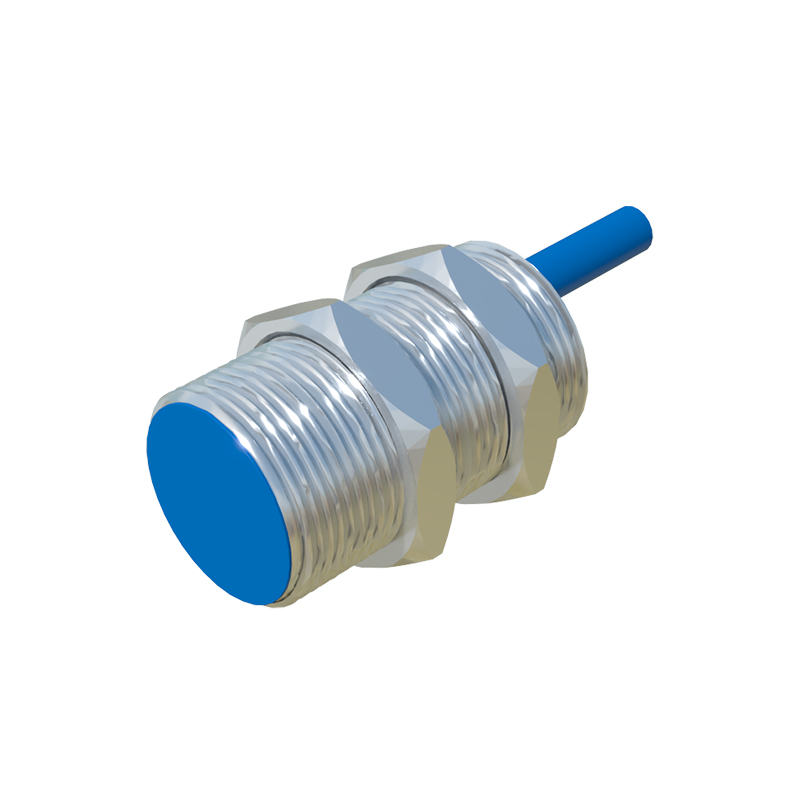
3. Plug Chute Detection: In transfer points, capacitive or diaphragm-type sensors monitor for material buildup. When material reaches a preset level, the sensor signals the control system to initiate corrective action, preventing dangerous blockages.
4. Zero-Speed Detection: Similar to speed monitoring, a sensor confirms that a pulley or shaft has stopped rotating within a specified time after the drive motor is de-energized. This confirms normal stoppage versus a belt snap or severe jam.
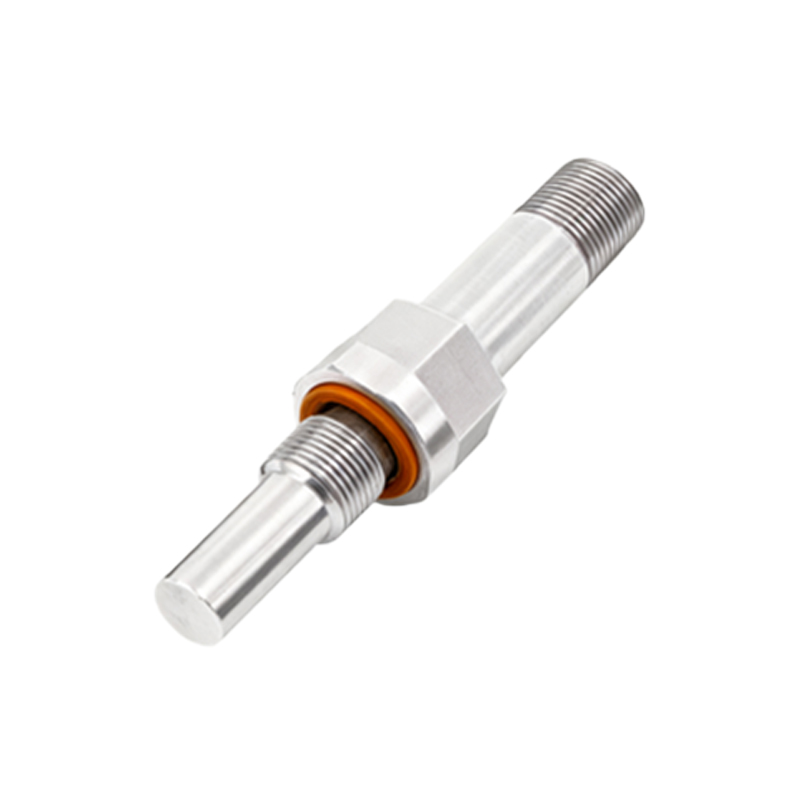
5. Position Sensing for Automated Gates/Diversion Plows: Inductive sensors detect the open/closed position of mechanical diverters, ensuring proper routing of material.
Selecting the right proximity sensor requires careful consideration of several engineering factors:
Sensor Type: Inductive for metal detection; capacitive for material level or non-metal detection.
Sensing Range: The nominal range must accommodate the required mounting distance and account for target size and material. A safety factor is often applied.
Environmental Rating: Conveyor areas are harsh. Sensors must have a high Ingress Protection (IP) rating (e.g., IP67, IP69K) to withstand dust, moisture, and high-pressure washdowns. Robust housing (often stainless steel) is preferred.
Output Type: Digital (PNP/NPN) outputs are standard for PLC integration. Analog outputs (4-20mA) are used for continuous monitoring, such as precise gap measurement.
Temperature Range: Must operate reliably in the ambient temperature range of the installation site, which can be extreme in outdoor or furnace-feed applications.
Electrical Noise Immunity: Industrial environments are electrically noisy. Sensors with good electromagnetic compatibility (EMC) performance are essential to avoid false triggers.
Installation and maintenance are as critical as selection. Sensors must be securely mounted to resist vibration. The sensing face should be positioned parallel to the target surface for optimal range. For speed sensing, the target size and number of pulses per revolution must be calculated to ensure the PLC can accurately resolve the speed. Regular inspection for physical damage, accumulation of debris on the sensing face, and verification of signal integrity are part of a predictive maintenance program.
A common challenge is false triggering due to conductive dust or slurry buildup on capacitive sensors, or vibration-induced movement in inductive sensors. Solutions include selecting sensors with built-in hysteresis or filtering, using sensors with teach-in functionality for adaptive calibration, and ensuring proper mechanical stability. For alignment sensors, using a rugged, lever-arm actuator with a reliable mechanical switch can sometimes be more robust than a direct-proximity solution in extremely dirty conditions.
In conclusion, proximity sensors are indispensable for the intelligent and safe operation of belt conveyors. They transform simple mechanical systems into interconnected, monitored, and controllable assets. A systematic approach to their selection—prioritizing environmental robustness, correct sensing technology, and proper integration into the control system—directly contributes to reduced downtime, enhanced safety, and optimized material flow. As Industry 4.0 advances, these sensors will continue to evolve, providing richer diagnostic data and enabling even more predictive maintenance strategies for conveyor systems worldwide.