In the rapidly evolving landscape of industrial automation, consumer electronics, and automotive systems, proximity sensors play a pivotal role. These non-contact devices detect the presence or absence of an object within a specified range, enabling critical functions from assembly line control to smartphone screen management. However, the reliability, interoperability, and safety of these components hinge on a robust framework of international standards. Adherence to these standards is not merely a regulatory formality but a fundamental requirement for ensuring performance consistency, facilitating global trade, and safeguarding end-users.
The standardization ecosystem for proximity sensors is multifaceted, encompassing electrical characteristics, environmental resilience, safety protocols, and performance benchmarks. A cornerstone of this framework is the International Electrotechnical Commission (IEC) 60947-5-2 standard. This specification, titled "Low-voltage switchgear and controlgear – Part 5-2: Control circuit devices and switching elements – Proximity switches," provides definitive guidelines. It classifies sensors based on their operating principles, such as inductive, capacitive, ultrasonic, and photoelectric. Crucially, it defines key parameters including operating distance, hysteresis, repeat accuracy, and switching frequency. The standard also stipulates testing methods for dielectric properties, resistance to shock and vibration, and protection against ingress of dust and water as per the IP (Ingress Protection) code. Compliance with IEC 60947-5-2 is often a baseline requirement for sensors used in industrial machinery across European and many international markets.
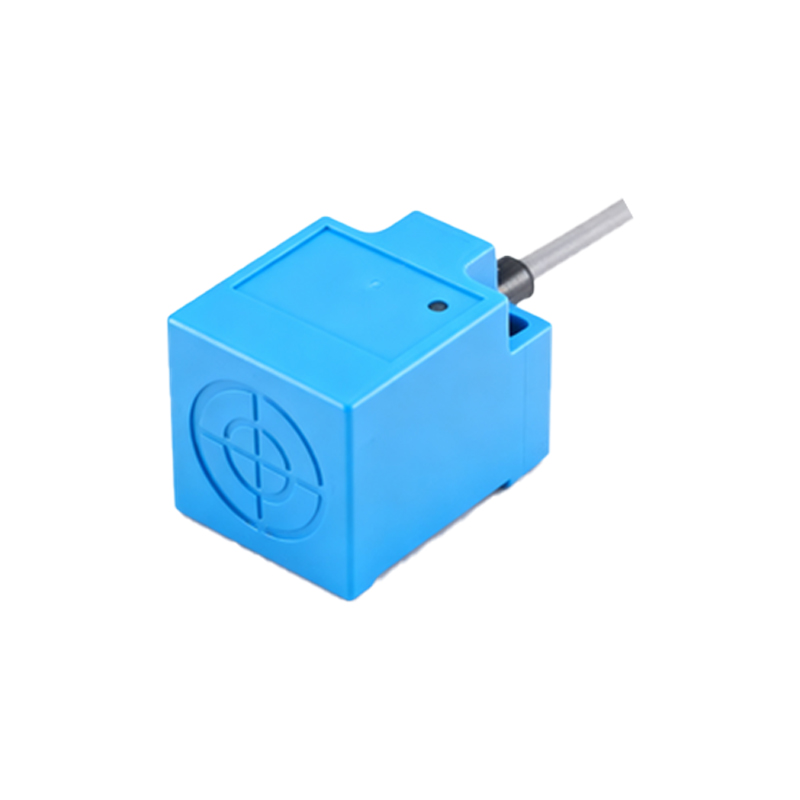
In parallel, the International Organization for Standardization (ISO) contributes significantly, particularly concerning dimensional and mounting specifications. Standards like ISO 12098 for connectors on sensors and actuators promote mechanical compatibility, preventing vendor lock-in and simplifying maintenance. For safety-critical applications, such as in machinery where unintended activation could cause harm, the ISO 13849 series on safety-related parts of control systems becomes paramount. Proximity sensors used as part of these safety systems must meet stringent Performance Levels (PL) to mitigate risk.
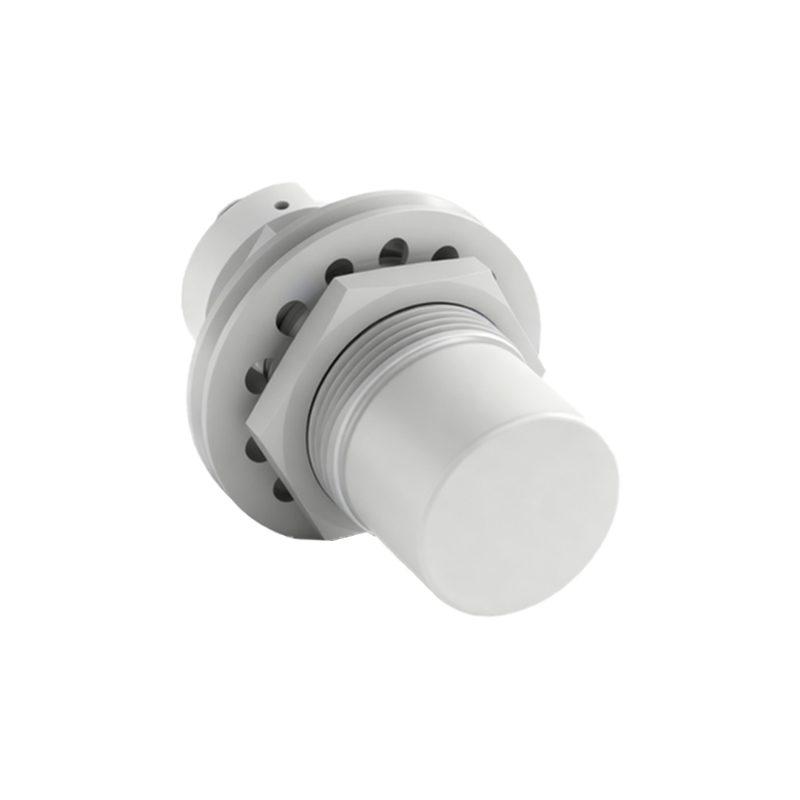
Region-specific standards also hold considerable weight. In North America, Underwriters Laboratories (UL) standards, such as UL 508 for industrial control equipment, are widely recognized. UL certification involves rigorous testing for fire and electrical hazards, providing assurance for insurance and regulatory acceptance. Similarly, in the European Union, the CE marking mandate requires sensors to conform with relevant EU directives, primarily the Low Voltage Directive (LVD) 2014/35/EU and the Electromagnetic Compatibility (EMC) Directive 2014/30/EU. The EMC aspect is vital, as it ensures the sensor neither emits excessive electromagnetic interference nor is unduly susceptible to it, guaranteeing stable operation in electrically noisy industrial environments.
Beyond these broad electrical and safety standards, specific industries impose additional layers of requirements. The automotive sector, governed by the International Automotive Task Force (IATF) 16949 quality management standard, demands exceptional reliability and traceability. Proximity sensors for vehicles often must qualify under specific AEC-Q200 standards for stress resistance. In hazardous locations where flammable gases or dust may be present, standards like ATEX in Europe and NEC Class/Division or Zone systems in North America dictate the construction and certification of intrinsically safe or explosion-proof sensor housings.
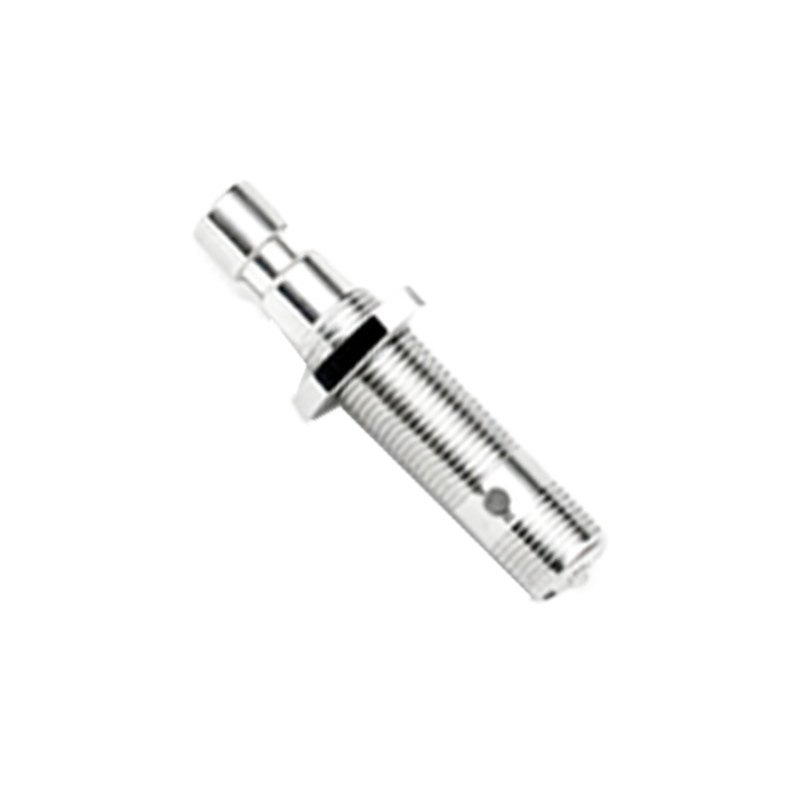
For engineers and procurement specialists, navigating this complex web of standards is a critical task. Key considerations during sensor selection include:
1. Operational Environment: Will the sensor be exposed to extreme temperatures, washdowns, metallic chips, or corrosive chemicals? The IP rating and material construction (e.g., stainless steel vs. PBT plastic) must align with the standard's classifications for such conditions.
2. Electrical Compatibility: The output type (PNP/NPN, analog, IO-Link) and voltage range must match the control system, as defined by the relevant circuit standards.
3. Performance Needs: Required sensing distance, accuracy, and response speed should be verified against the manufacturer's data, which is derived from standard testing procedures.
4. Certification Marks: Look for visible marks of compliance—CE, UL, CSA, ATEX—relevant to the target market and application. These are tangible evidence of third-party validation.
In conclusion, proximity sensor standards form an indispensable technical language that ensures quality, safety, and compatibility on a global scale. They empower engineers to specify components with confidence, enable manufacturers to design products for worldwide acceptance, and ultimately protect the integrity of complex automated systems. As sensor technology advances with trends like IIoT integration and miniaturization, standardization bodies continuously update their specifications, ensuring this vital framework evolves in lockstep with innovation. Understanding and applying these standards is, therefore, a non-negotiable competency for professionals driving the future of automation.