In the dynamic and demanding world of plastic manufacturing, efficiency, precision, and reliability are non-negotiable. From injection molding and extrusion to blow molding and thermoforming, every stage of the process demands meticulous control. At the heart of this control, ensuring seamless automation and preventing costly downtime, are specialized proximity sensors. These unsung heroes of the factory floor are critical components specifically engineered to thrive in the harsh environments typical of plastic processing machinery.
Unlike general-purpose sensors, plastic machinery proximity sensors are built to withstand a unique set of challenges. They operate in environments with extreme temperatures, ranging from the intense heat near barrels and molds to the chill of cooling systems. They are constantly exposed to vibration from heavy-duty motors, pumps, and clamping units. Furthermore, they face contamination from plastic dust, release agents, hydraulic oil mist, and occasional moisture. A standard inductive or capacitive sensor would quickly falter under these conditions, leading to false triggers, missed counts, and ultimately, production defects or machine stoppages.
The primary function of these sensors is non-contact detection. In injection molding, for instance, inductive proximity sensors are ubiquitously used for mold protection and core pull positioning. They verify the correct closing of the mold halves before the high-pressure injection cycle begins, preventing catastrophic and expensive damage. Capacitive sensors, on the other hand, excel in detecting non-metallic materials. They are perfectly suited for monitoring the presence of plastic pellets in hoppers, preventing the extruder screw from running dry, which can cause degradation and equipment wear. They can also detect the level of liquid resins or coolants in transparent tanks where optical methods might fail.
Another crucial application is in part ejection and handling. Sensors confirm that a molded part has been successfully ejected from the mold cavity. This verification is essential for coordinating the next cycle and for robotic pick-and-place systems. If a part sticks in the mold (a condition known as "sticking"), the sensor will not trigger, and the machine can be programmed to stop or alert an operator, preventing the mold from closing on a trapped part.
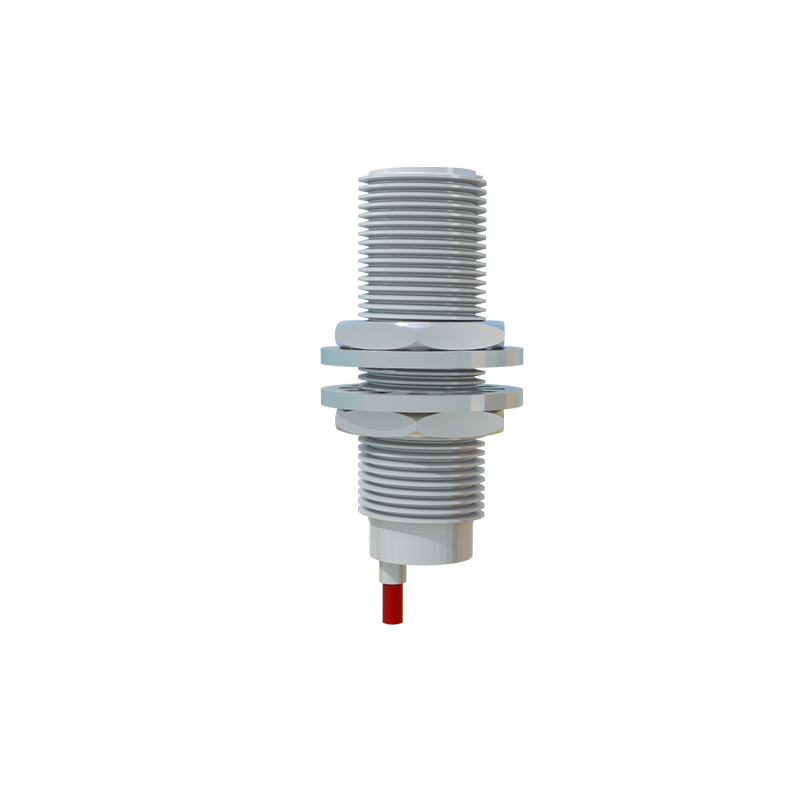
The choice of housing material is paramount. Sensors designed for plastic machinery often feature robust stainless steel housings (V2A or V4A grades) or high-performance PBT/PPS plastic housies that resist chemical corrosion from additives and lubricants. Their sealing ratings typically meet or exceed IP67 and IP69K standards, ensuring complete protection against dust ingress and high-pressure, high-temperature washdowns common in clean-in-place procedures.
Modern advancements have led to the development of sensors with enhanced capabilities. Factor 1 rated sensors, which are safe for use in hazardous locations where flammable vapors or dust may be present, are increasingly important. Furthermore, the integration of IO-Link communication is revolutionizing sensor functionality. An IO-Link enabled proximity sensor does more than just provide a simple on/off signal. It can transmit detailed diagnostic data—such as operating temperature, signal strength, and remaining service life—to the central control system, enabling predictive maintenance. This allows engineers to replace a sensor before it fails, moving from reactive to proactive maintenance strategies.
When selecting a proximity sensor for a plastic machinery application, engineers must consider several key parameters: the sensing distance (ensuring it is appropriate for the mounting location), the target material (metal for inductive, any material for capacitive), the required switching frequency (high-speed for fast cycling machines), the temperature rating, and the electrical output type (PNP/NPN, analog, or IO-Link). Incorrect selection can lead to unreliable operation.
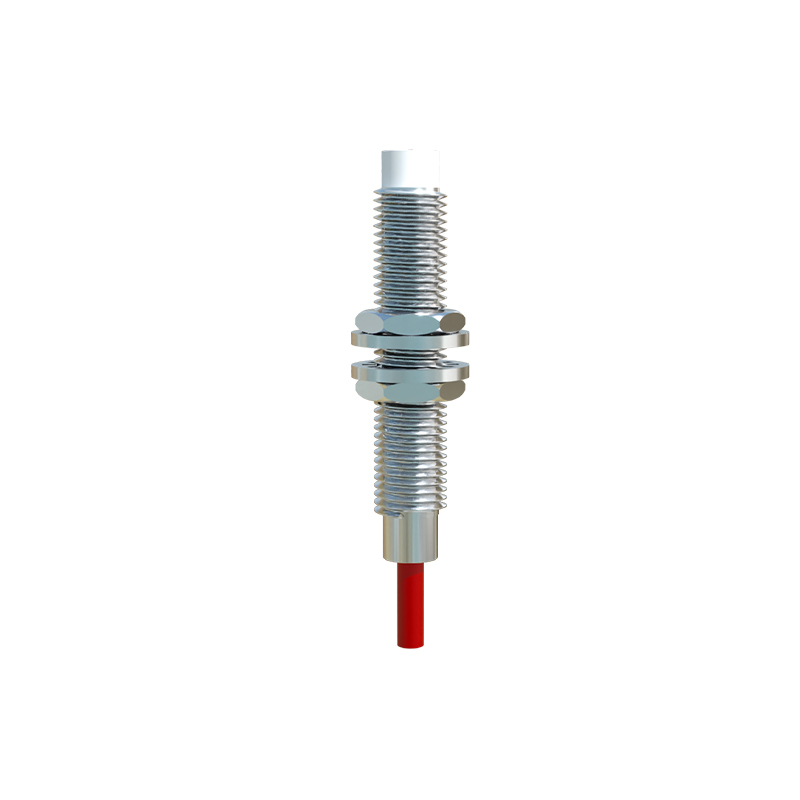
In conclusion, plastic machinery专用接近传感器 are far from commodity components. They are precision instruments vital for safeguarding equipment, ensuring product quality, and maximizing production uptime. Their specialized design to endure heat, vibration, and contamination makes them indispensable in achieving the high levels of automation and efficiency demanded by today's competitive plastic manufacturing industry. Investing in the right sensor technology is an investment in the reliability and profitability of the entire production line.