Infrared proximity sensors are widely used in various industries for object detection, distance measurement, and automation control. Understanding the key components of these sensors is essential for engineers and technicians working in fields such as robotics, automotive systems, and industrial machinery. This article delves into the fundamental parts that constitute an infrared proximity sensor, explaining their roles and how they work together to achieve accurate sensing.
At the core of an infrared proximity sensor is the infrared emitter, typically an infrared LED (Light Emitting Diode). This component emits infrared light, which is invisible to the human eye but can be detected by electronic devices. The wavelength of the emitted light usually ranges from 850 nm to 950 nm, optimized for minimal interference from ambient light. The emitter operates by converting electrical energy into infrared radiation, creating a beam that travels toward the target object. The quality and consistency of the emitter directly impact the sensor's range and reliability, making it a critical element in the design.
Opposite the emitter is the infrared receiver, often a photodiode or phototransistor. This component detects the infrared light reflected back from an object within the sensor's field of view. Photodiodes are preferred for their fast response times and sensitivity, converting incoming infrared photons into an electrical current. The receiver's performance depends on factors like spectral response, which must match the emitter's wavelength to ensure efficient detection. In some advanced sensors, a receiver array or specialized IC (Integrated Circuit) is used to enhance accuracy and reduce noise from environmental factors.
Between the emitter and receiver lies the optical system, which includes lenses and filters. Lenses focus the emitted infrared beam into a narrow, directed path, increasing the sensor's range and precision. They also help collect reflected light onto the receiver, improving signal strength. Filters, such as infrared pass filters, block visible light and other unwanted wavelengths, reducing false triggers caused by ambient light sources like sunlight or artificial lighting. This optical arrangement is crucial for maintaining signal integrity in diverse operating conditions.
The signal processing unit is another vital component, comprising amplifiers, comparators, and microcontrollers. After the receiver generates a weak electrical signal from the detected infrared light, amplifiers boost this signal to a usable level. Comparators then analyze the amplified signal against a predefined threshold to determine if an object is present. Microcontrollers or dedicated ICs handle further processing, such as calculating distance based on signal intensity or time-of-flight measurements. This unit often includes analog-to-digital converters for digital output, enabling integration with modern control systems.
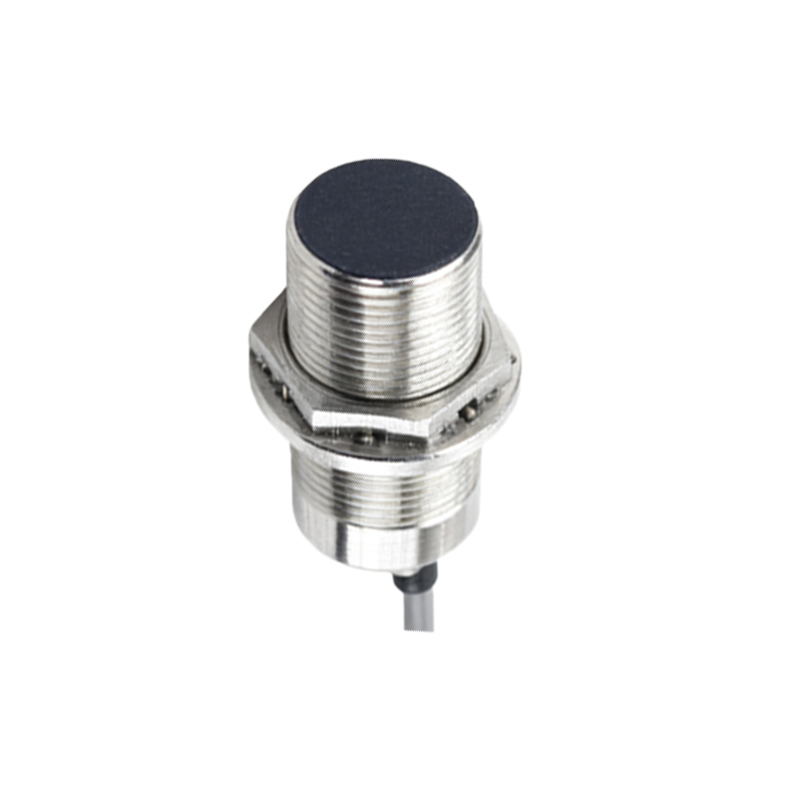
Power supply and housing complete the sensor assembly. A stable power source, usually low-voltage DC, ensures consistent operation of the emitter and processing circuits. The housing, made from materials like plastic or metal, protects internal components from physical damage, dust, and moisture. It also provides mounting options and may include shielding to minimize electromagnetic interference. Proper housing design considers thermal management, as excessive heat from the emitter or electronics can affect performance.
In summary, infrared proximity sensors rely on a synergy of components—emitter, receiver, optical elements, signal processor, power supply, and housing—to deliver reliable detection. Advances in miniaturization and smart technology continue to enhance these parts, leading to more efficient and versatile sensors for industrial applications. Engineers should prioritize component selection and integration to optimize sensor performance in specific environments.