In the rapidly evolving landscape of automotive engineering, the integration of sophisticated electronic systems has become paramount for safety, convenience, and functionality. Among these critical components, the tailgate proximity sensor stands out as a pivotal element in modern vehicle design. This article delves into the fundamental role, operational principles, and significant benefits of these sensors, providing a comprehensive overview for industry professionals and enthusiasts alike.
A tailgate proximity sensor is an electronic device designed to detect the presence of objects or individuals in close vicinity to a vehicle's rear closure system, typically the tailgate, liftgate, or trunk lid. Its primary function is to prevent accidental collisions or entrapment during the opening or closing cycle. The core technology behind these sensors often involves electromagnetic fields, ultrasonic waves, or capacitive sensing. Electromagnetic sensors, for instance, generate a low-frequency field around the tailgate. Any conductive object, such as a human body or another vehicle, entering this field alters its characteristics, triggering the sensor to send a signal to the vehicle's central control unit (ECU).
The operational sequence is both precise and rapid. When a user activates the automatic tailgate closure, either via a key fob, dashboard button, or foot gesture, the system initiates the motor-driven movement. Simultaneously, the proximity sensor continuously monitors the defined zone. If an obstruction is detected during the closing phase, the ECU immediately halts the motor and, in most advanced systems, reverses the tailgate to its fully open position. This failsafe mechanism is crucial for preventing injury or damage. Conversely, during opening, some systems utilize these sensors to ensure there is adequate clearance, preventing the tailgate from striking overhead objects like garage doors or low-hanging structures.
The implementation of tailgate proximity sensors offers a multitude of advantages. Foremost is enhanced safety. By mitigating the risk of pinching or impact, these sensors protect children, pets, and adults from harm, addressing a significant concern in automotive liability and user protection. Secondly, they contribute to vehicle and property protection. Preventing the tailgate from colliding with obstacles like bicycles, walls, or other cars avoids costly repairs and dents. Furthermore, they augment user convenience and accessibility. Hands-free operation systems, often paired with these sensors, allow for easy loading and unloading of cargo, a feature highly valued in SUVs, minivans, and commercial vehicles. This is particularly beneficial for individuals with their hands full or those with mobility challenges.
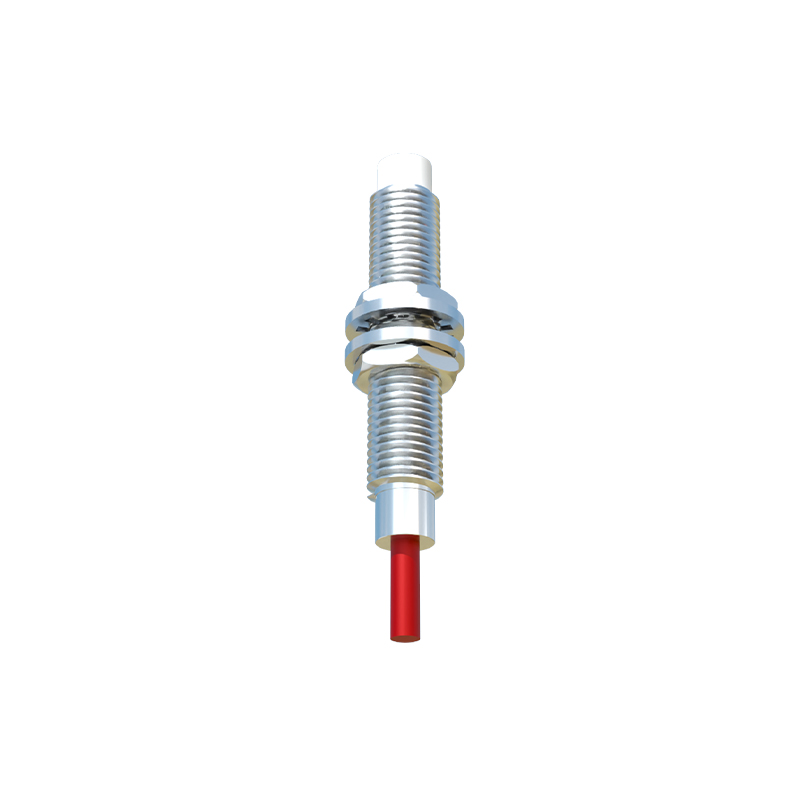
From a technical and maintenance perspective, these sensors are designed for durability and reliability. They are typically sealed to withstand harsh environmental conditions, including water, dust, extreme temperatures, and vibrations inherent to vehicle operation. However, like all electronic components, they are not infallible. Common issues may include false triggering due to environmental interference (e.g., heavy rain, strong electromagnetic noise), sensor misalignment, or circuit degradation. Diagnostic procedures usually involve scanning for fault codes in the vehicle's body control module, followed by physical inspection and testing of the sensor's output signal and power supply.
The evolution of tailgate sensors is closely tied to the broader trends of vehicle electrification and autonomy. Future iterations are expected to feature higher sensitivity, smaller form factors, and integration with other sensing systems like rear-view cameras and radar to create a comprehensive 360-degree safety perimeter. They will play an integral role in advanced driver-assistance systems (ADAS), contributing to features like automated parking and collision avoidance.
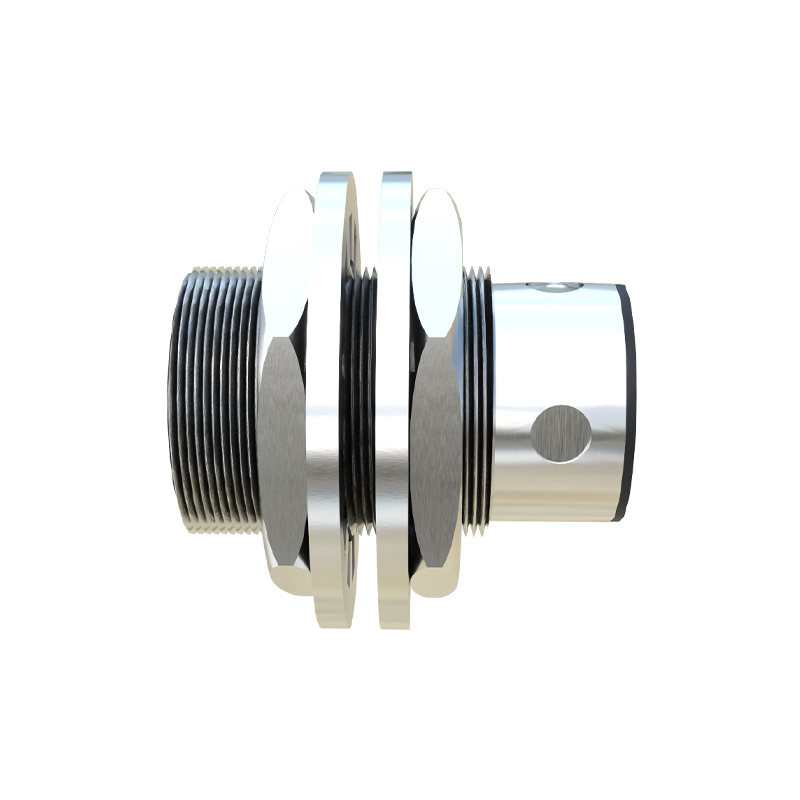
In conclusion, the tailgate proximity sensor is far more than a simple convenience feature. It is a critical safety component engineered to create a seamless and secure interaction between the user, the vehicle, and the surrounding environment. Its precise detection capabilities and rapid response protocols exemplify the automotive industry's commitment to leveraging electronics for proactive hazard prevention. As vehicle designs continue to prioritize automated functions, the importance of reliable and intelligent proximity sensing will only escalate, solidifying its status as an indispensable element in the architecture of contemporary and future automobiles.