In the realm of industrial automation, precise detection and control are paramount for ensuring efficiency, safety, and reliability. Among the myriad of sensing technologies available, slot sensors and proximity switches stand out as critical components widely utilized across various applications, from manufacturing lines to robotics. This article delves into the principles, types, and practical considerations of these devices, offering insights for engineers and technicians in the electrical and automation fields.
Slot sensors, often referred to as through-beam or fork sensors, consist of a U-shaped housing with an emitter on one side and a receiver on the opposite side. The key principle involves detecting objects that pass through the "slot" or gap between these two elements. When an object interrupts the light beam (typically infrared or laser) or magnetic field, the sensor triggers an output signal. This design makes slot sensors highly effective for counting, positioning, and detecting small or transparent items, such as in packaging, printing, or assembly systems. Common types include photoelectric slot sensors, which rely on optical beams, and inductive slot sensors, which use electromagnetic fields for metallic object detection. Advantages include high accuracy, fast response times, and immunity to environmental factors like dust or moisture when properly sealed. However, they may require precise alignment and can be limited by the slot size, which dictates the maximum object dimensions.
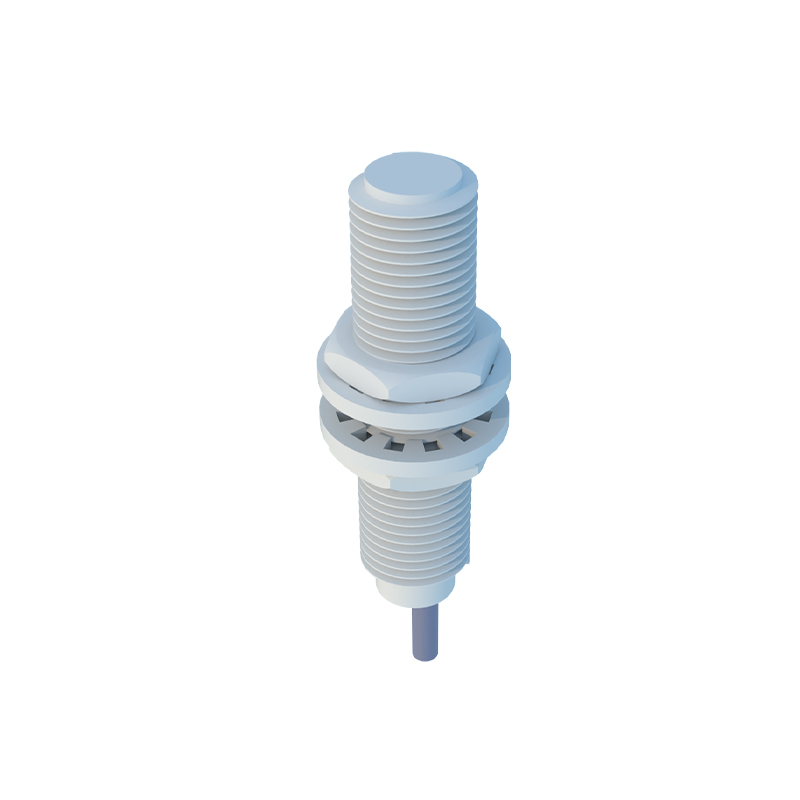
Proximity switches, on the other hand, are non-contact sensors designed to detect the presence or absence of objects within a specific range without physical contact. They operate based on various principles, with inductive, capacitive, and magnetic types being the most prevalent. Inductive proximity switches are tailored for metallic targets, generating an electromagnetic field that induces eddy currents in the object, thereby altering the sensor's oscillation and triggering a switch. Capacitive proximity switches can detect both metallic and non-metallic materials, including liquids or plastics, by measuring changes in capacitance caused by the object's dielectric properties. Magnetic proximity switches, often used with magnets, are ideal for harsh environments due to their robustness. These switches are favored for their durability, long operational life, and ability to function in dirty or wet conditions, making them staples in automotive, material handling, and machine tool industries. Key selection factors include sensing distance, output type (e.g., NPN/PNP, analog, or digital), and environmental ratings like IP67 for waterproofing.
When comparing slot sensors and proximity switches, the choice hinges on application requirements. Slot sensors excel in scenarios requiring precise object detection within a confined gap, such as verifying label placement on bottles or monitoring conveyor belt gaps. Their through-beam nature often provides higher reliability for small or fast-moving objects. Proximity switches offer greater flexibility in sensing diverse materials and are typically easier to install, as they do not require alignment across a gap. For instance, in a robotic arm application, a proximity switch might detect the approach of a metal component for gripping, while a slot sensor could ensure the component is correctly oriented before processing. Engineers must consider factors like object size, material, speed, environmental conditions, and required output signals.
In practice, integrating these sensors into control systems involves careful planning. Wiring should adhere to standards, with attention to voltage ratings (commonly 12-24V DC or 110-240V AC) and shielding to prevent electromagnetic interference. Regular maintenance, such as cleaning lenses for photoelectric sensors or checking for mechanical damage, ensures longevity. Emerging trends include the integration of IO-Link for smart communication, enabling real-time diagnostics and parameter adjustments, which enhance predictive maintenance and system adaptability.
Overall, slot sensors and proximity switches are indispensable tools in modern industrial automation. By understanding their working principles and applications, engineers can optimize system performance, reduce downtime, and improve safety. As technology advances, these devices continue to evolve, offering smarter, more integrated solutions for the factories of tomorrow.
