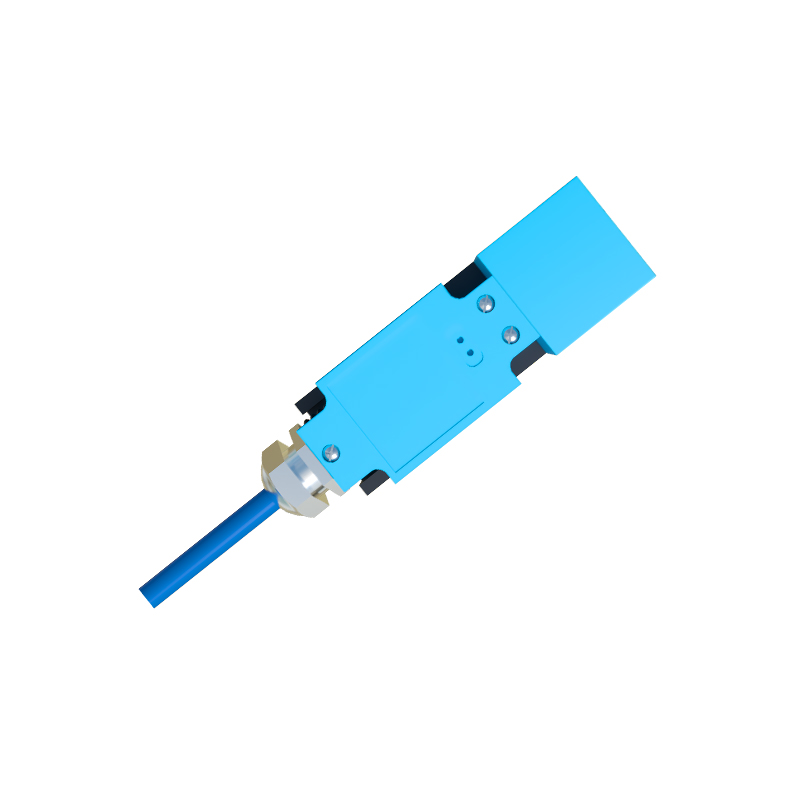
Proximity switch sensors, particularly the 4nd series, represent a cornerstone of modern industrial automation, offering non-contact detection capabilities essential for precision, reliability, and safety in demanding environments. The "4nd" designation typically refers to a specific model series characterized by its robust construction, standardized form factor, and enhanced performance parameters tailored for diverse sensing tasks. Unlike mechanical limit switches, these sensors operate on the principle of electromagnetic induction or capacitive coupling, generating an oscillating electromagnetic field. When a metallic or conductive target object enters this active field, it causes a detectable change—such as an eddy current loss or capacitance shift—which the sensor's internal circuitry converts into a clean, binary output signal. This fundamental working principle eliminates physical wear, enabling exceptionally long operational lifespans and maintenance-free performance, which is critical for high-cycle applications in automotive assembly lines, packaging machinery, and material handling systems.
The technical architecture of a standard 4nd series proximity sensor comprises several key components: a sensing coil or electrode, an oscillator circuit, a signal amplifier, a Schmitt trigger for hysteresis, and an output switching element, often in the form of a solid-state transistor (PNP or NPN). Housing is typically constructed from nickel-plated brass or stainless steel, providing IP67 or higher ingress protection against dust, coolants, and oils. One of the defining features of the 4nd series is its standardized cylindrical M8, M12, or M18 threaded barrel design, facilitating easy integration into standard mounting fixtures. Sensing ranges vary by model but commonly span from 1.5mm to 8mm for inductive models targeting ferrous metals. For non-metallic object detection, capacitive variants within the same series are employed, adjusting sensitivity to detect materials like plastics, wood, or liquids.
Electrical specifications are paramount for system integration. Most 4nd sensors operate on a wide-range DC supply (10-30V DC) with low residual current, ensuring compatibility with standard PLC (Programmable Logic Controller) input modules. The output configuration is a critical selection criterion; 3-wire versions are prevalent, offering either a normally-open (NO) or normally-closed (NC) switching function. Output types include DC NPN (sinking) and PNP (sourcing), necessitating careful matching with the control system's input circuit. Key performance metrics include switching frequency—often up to 2 kHz for fast-moving object detection—repeat accuracy within microns, and temperature stability across a range of -25°C to +70°C. Advanced models may incorporate features like short-circuit protection, reverse polarity protection, and LED status indication for operational diagnostics.
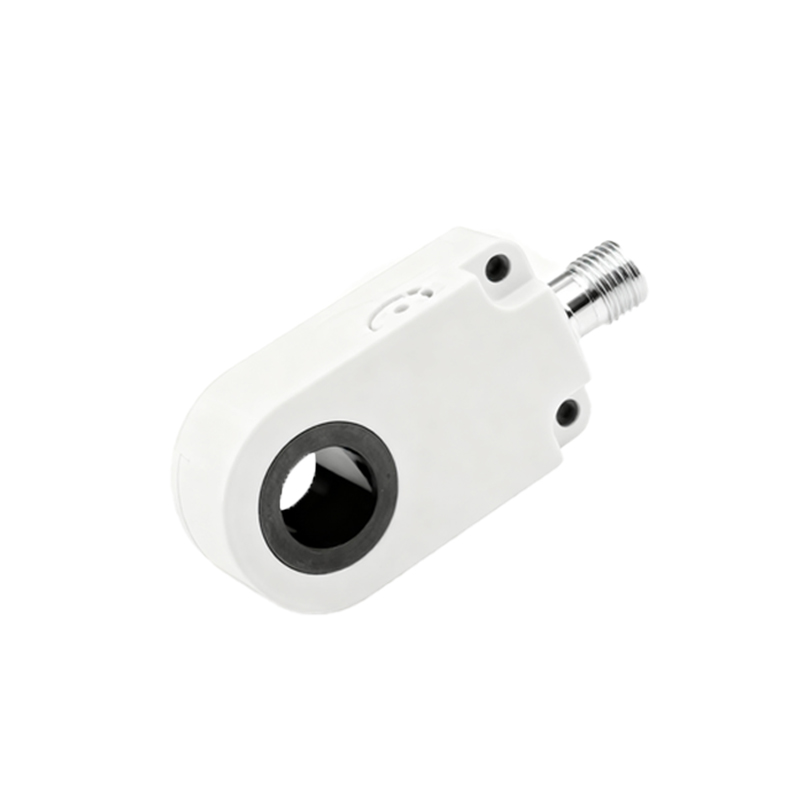
Application engineering for the 4nd series requires careful consideration of the installation environment. For inductive sensors, the sensing distance is rated for standard mild steel; factors like target material (aluminum, copper, stainless steel), target size, and shape necessitate derating using correction factors provided in datasheets. Mounting in metallic surroundings demands flush or non-flush mounting specifications to prevent side-interference effects. In capacitive sensing applications, environmental changes in humidity or material composition can affect sensitivity, requiring periodic calibration in some instances. For high-noise industrial environments, shielded models are recommended to mitigate electromagnetic interference from motors or frequency drives.
The advantages of implementing 4nd proximity switches are substantial. They enable precise position detection of components without physical contact, eliminating mechanical stress and associated maintenance. Their fast response time supports high-speed automation sequences, improving cycle times and throughput. The sealed, rugged design ensures reliable operation in harsh conditions where contaminants are present. From a safety perspective, their use in interlocking guards or presence detection contributes to machine safety systems compliant with standards like ISO 13849.
In summary, the 4nd series of proximity switch sensors embodies a mature, yet continually refined, technology vital for industrial control. Proper selection based on target material, required sensing distance, environmental conditions, and electrical interface ensures optimal system performance, durability, and cost-effectiveness. As Industry 4.0 and IIoT (Industrial Internet of Things) evolve, these sensors remain fundamental physical layer components, providing the critical data points that drive automated decision-making and operational intelligence in smart factories.