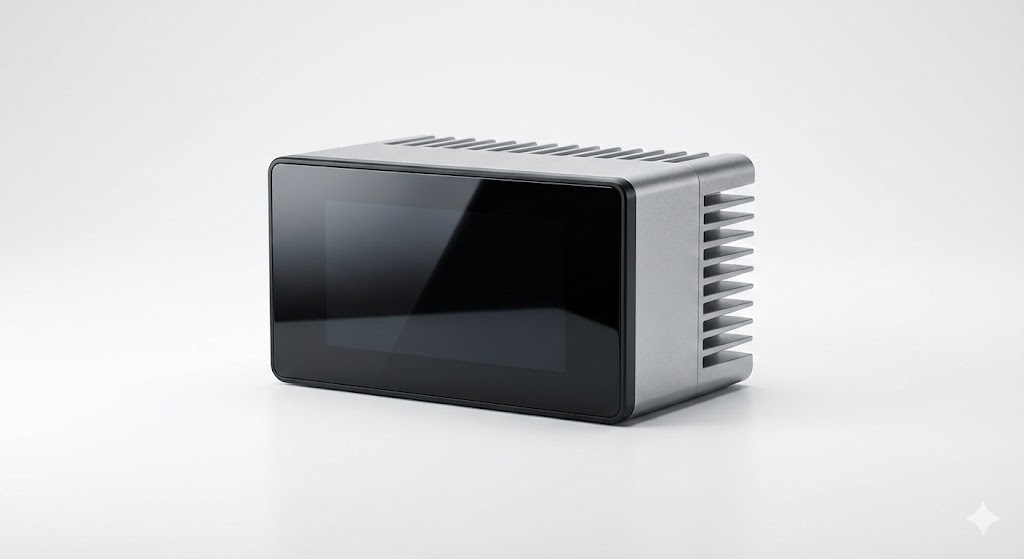
The global laser displacement sensor market has experienced significant expansion in recent years, driven by the relentless pursuit of precision, automation, and quality control across diverse industrial sectors. These non-contact measurement devices, which utilize laser triangulation or time-of-flight principles to determine distance with micron-level accuracy, have become indispensable tools. The market's growth trajectory is fundamentally linked to the broader trends of Industry 4.0 and smart manufacturing, where real-time, high-accuracy data acquisition is paramount.
A deep dive into the market share landscape reveals a moderately consolidated structure with the presence of several established international players and a growing number of regional competitors. Key industry leaders, such as KEYENCE, SICK, Panasonic, OMRON, and Micro-Epsilon, collectively command a substantial portion of the global market share. Their dominance is attributed to extensive product portfolios, robust global distribution and support networks, continuous investment in R&D for enhanced speed and resolution, and strong brand recognition built on reliability. KEYENCE, in particular, is often cited as holding a leading position due to its aggressive innovation and application-specific solutions. However, the market is not without dynamic competition. Numerous specialized and mid-sized companies are carving out significant niches by offering cost-competitive models, exceptional performance in specific parameters like high speed or extreme environments, or tailored solutions for emerging applications.
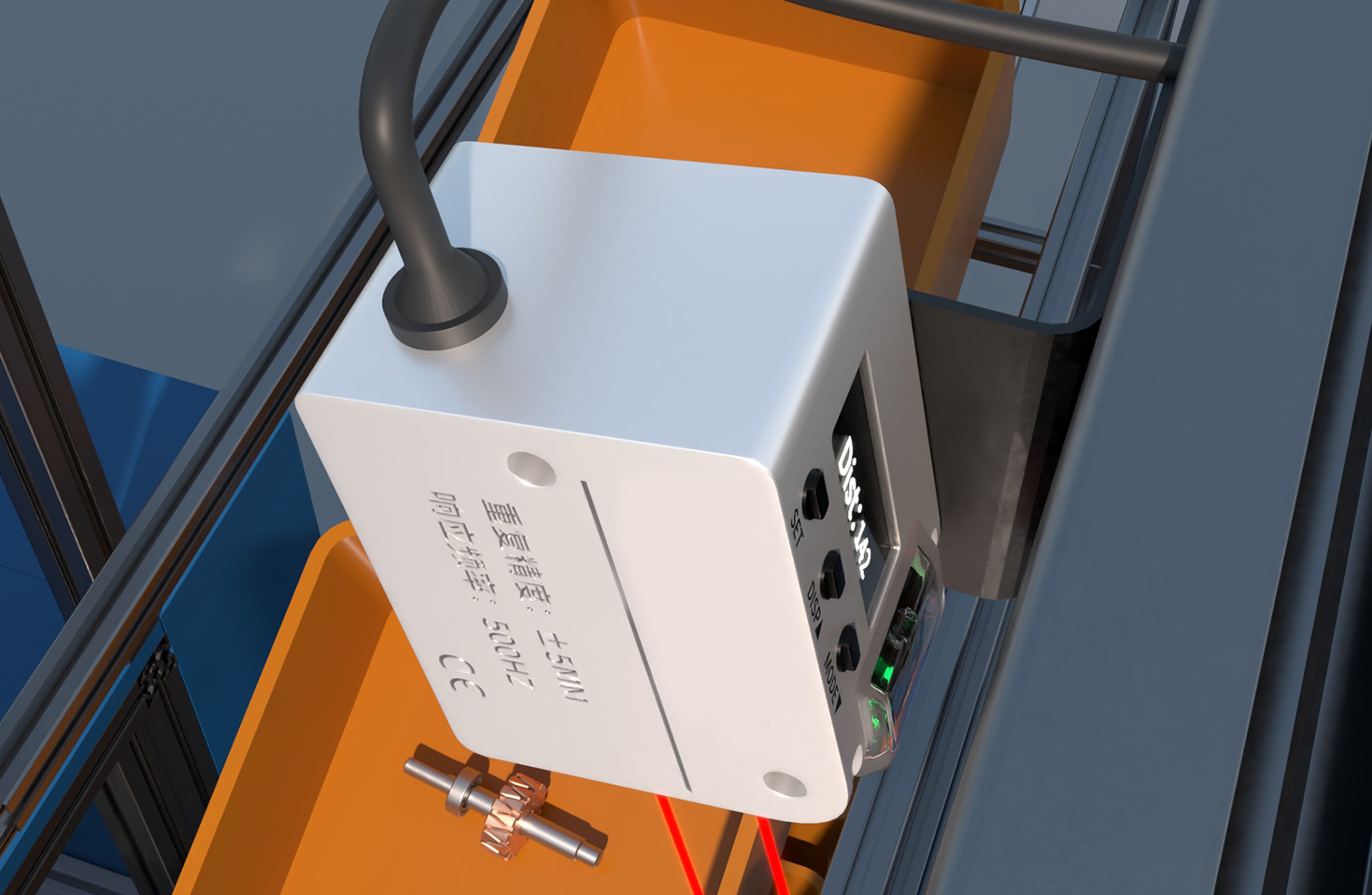
Geographically, the Asia-Pacific region, spearheaded by China, Japan, and South Korea, represents the largest and fastest-growing market in terms of both consumption and production share. This dominance is fueled by the massive manufacturing base, particularly in automotive, consumer electronics, and semiconductor industries, alongside strong government initiatives promoting industrial automation. North America and Europe follow, maintaining significant market shares driven by advanced manufacturing, stringent quality standards in aerospace and automotive sectors, and early adoption of automation technologies. The market share in these mature regions is often characterized by a demand for high-end, sophisticated sensors for critical applications.
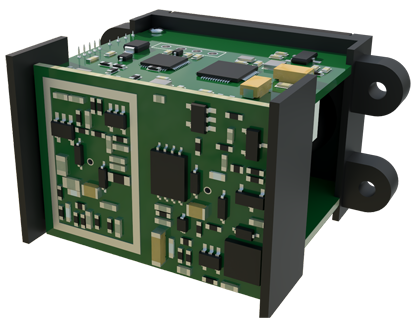
The distribution of market share by application provides crucial insights into the sensor's value drivers. The automotive industry remains a cornerstone application, utilizing these sensors for robotic guidance, panel gap measurement, weld seam inspection, and dimensional control of components. The electronics and semiconductor segment is another major shareholder, demanding ultra-high precision for wafer handling, chip mounting, and PCB inspection. Furthermore, rapid growth is observed in sectors like food and pharmaceuticals (for packaging and fill level control), aerospace (for composite material profiling and assembly), and logistics (for volume measurement and parcel dimensioning). Each application area imposes unique requirements, influencing the market share of sensor types optimized for specific ranges, materials, or environmental conditions.
Several key trends are actively reshaping the competitive landscape and future market share allocation. The integration of laser displacement sensors with AI and machine vision software is creating smarter systems capable of not just measuring, but also interpreting data for defect classification and predictive maintenance. This adds substantial value and is a key battleground for vendors. The demand for miniaturized sensors that can be embedded into compact machinery is rising. Additionally, there is a growing emphasis on developing robust sensors that can perform reliably in harsh industrial environments with dust, oil, or temperature variations. The emergence of new, cost-effective manufacturing techniques may also lower entry barriers, potentially allowing new players to capture market share in price-sensitive segments.
Looking ahead, the laser displacement sensor market is poised for sustained growth. Market share will increasingly be contested not just on hardware specifications, but on the ability to provide complete solutions—combining the sensor with intuitive software, seamless connectivity (IO-Link, Ethernet-APL), and industry-specific expertise. While technological leaders will continue to leverage their R&D prowess, agile companies addressing unmet needs in evolving applications like renewable energy equipment manufacturing or battery production will find opportunities to gain share. The overall market expansion is expected to remain robust, supported by the irreversible global shift towards automated, data-driven, and precision-oriented manufacturing processes.