In industrial automation and material handling, the reliable detection of aluminum presents a unique set of challenges distinct from ferrous metals. Standard inductive proximity sensors, the workhorses of metal detection, are primarily designed to sense ferrous materials by generating an electromagnetic field that is disrupted by the target's presence. Aluminum, being a non-ferrous metal with high electrical conductivity but low magnetic permeability, interacts differently with this field, leading to potential detection failures if the wrong sensor is selected. This guide delves into the technical principles and best practices for effectively detecting aluminum using specialized proximity sensors.
The core issue lies in the operating principle of standard inductive sensors. They rely on eddy currents induced in the target material. Ferrous metals, with their high magnetic permeability, significantly increase the sensor's oscillation circuit damping, allowing for long sensing ranges. Aluminum, however, has a permeability similar to air (≈1.0). Its detection relies almost entirely on its ability to conduct eddy currents. While aluminum is an excellent conductor, the eddy currents generated are less effective at damping the oscillator compared to ferrous metals. Consequently, the rated sensing distance (Sn) listed for a standard inductive sensor—typically calibrated for mild steel (Fe360)—is drastically reduced for aluminum. This reduction factor can range from 0.3 to 0.5, meaning a sensor with a 10mm range for steel may only detect aluminum at 3-5mm.
To overcome this limitation, specific sensor technologies are employed:
1. All-Metal (Factor 1) Inductive Sensors: These are the primary solution for aluminum detection. They are specifically designed to detect all metals, ferrous and non-ferrous, at approximately the same sensing distance. They achieve this through a higher-frequency oscillator circuit that is more sensitive to the eddy current losses in conductive materials like aluminum, copper, and brass. When selecting an all-metal sensor, ensure the datasheet specifies a "correction factor of 1" for aluminum or lists nearly identical sensing distances for steel (Fe) and aluminum (Al). These sensors provide consistent performance and simplify system design.
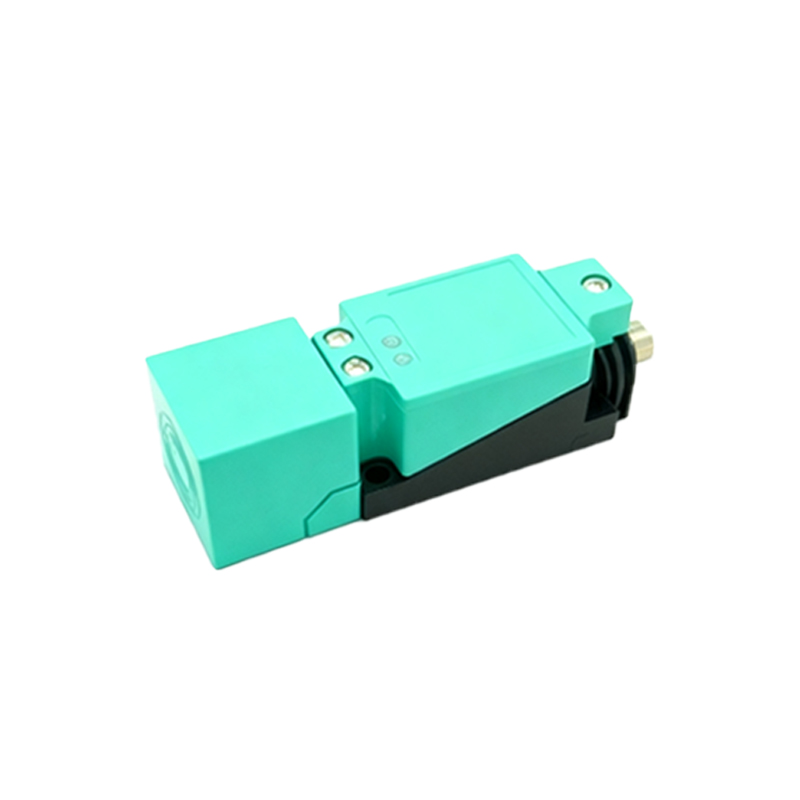
2. Capacitive Proximity Sensors: For non-metallic containers holding aluminum parts, or for detecting aluminum through a thin layer of plastic or paint, capacitive sensors offer an alternative. They detect changes in capacitance caused by any material that alters the dielectric constant of the sensing field. While effective, they are also sensitive to moisture, dust, and other environmental factors, which can lead to false triggers. They are generally less precise for pure metal detection tasks compared to inductive types.
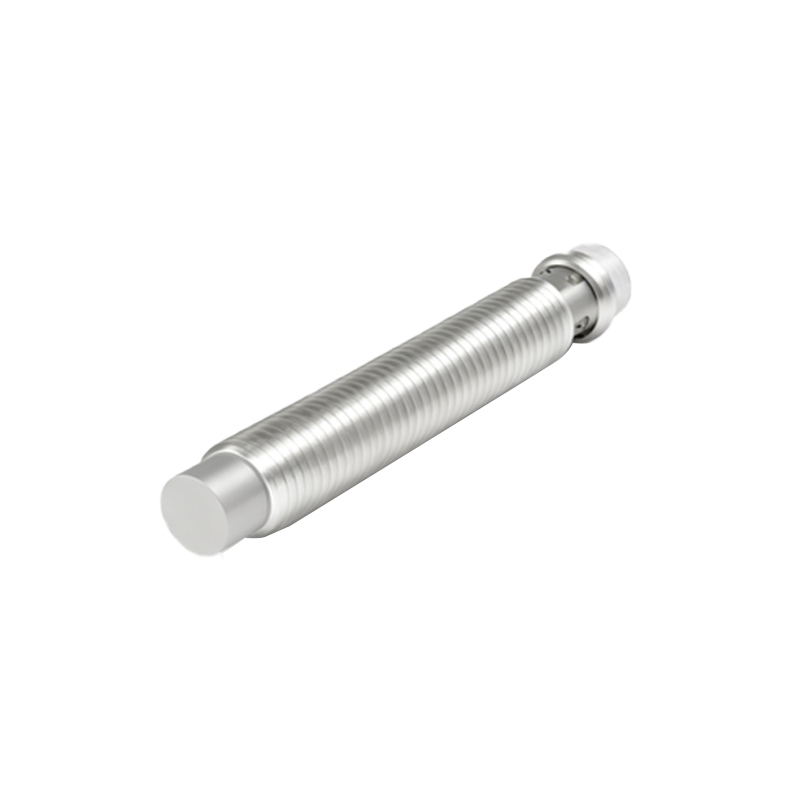
3. Ultrasonic Sensors: In applications where the aluminum target is not directly accessible or where varying surface finishes (anodized, painted, bare) are present, ultrasonic sensors provide a reliable, contactless solution. They measure the time-of-flight of a sound wave and are completely unaffected by the color, reflectivity (to a degree), or material composition of the target. They are ideal for detecting aluminum ingots, rolls, or stacked sheets at longer ranges.
Key Application Considerations:
Sensing Distance: Always derate the sensing distance when using a standard inductive sensor. Refer to the manufacturer's correction factor chart. For all-metal sensors, use the listed distance for aluminum.
Target Size and Shape: The detectable object must be at least equal to the sensor's face diameter for reliable operation. Thin aluminum foil or small chips may not be detectable.
Surface Condition: Anodized or painted aluminum coatings are non-conductive. The sensor must detect the underlying metal. A thicker coating can further reduce the effective sensing range. All-metal sensors typically handle this better than standard ones.
Mounting and Environment: Flush-mountable sensors are preferred to avoid interference from surrounding metal brackets (like steel). Consider environmental factors such as coolant, metal chips, and temperature, which can affect sensor performance and housing requirements (e.g., stainless steel housing for washdown areas).
In conclusion, detecting aluminum reliably requires moving beyond standard inductive proximity sensors. The recommended and most robust solution for most industrial applications is the all-metal inductive proximity sensor. It provides consistent, factor-1 detection, simplifying installation and maintenance. For non-standard applications involving containers, coatings, or variable distances, capacitive or ultrasonic sensors present viable alternatives. By understanding the electromagnetic principles involved and carefully reviewing sensor specifications for aluminum-specific performance data, engineers can ensure robust and fault-free detection in their automated systems involving this ubiquitous non-ferrous metal.