Proximity switches are fundamental components in modern industrial automation, enabling non-contact detection of objects with high precision and reliability. As a senior electrical engineer, I will outline the primary types of proximity switches used in sensor technology, detailing their operating principles, applications, and key considerations for selection.
Inductive proximity switches are among the most common types, designed to detect metallic objects. They operate based on electromagnetic induction: an oscillator generates a high-frequency magnetic field, and when a metal target enters this field, eddy currents are induced, causing a change in oscillation amplitude. This change triggers the switch output. These switches are ideal for harsh environments due to their robustness and resistance to dust, moisture, and vibration. Typical applications include position sensing in machinery, metal detection in conveyor systems, and safety interlocks. Key specifications include sensing range (typically up to 60 mm for standard models), switching frequency, and material compatibility (e.g., ferrous vs. non-ferrous metals).
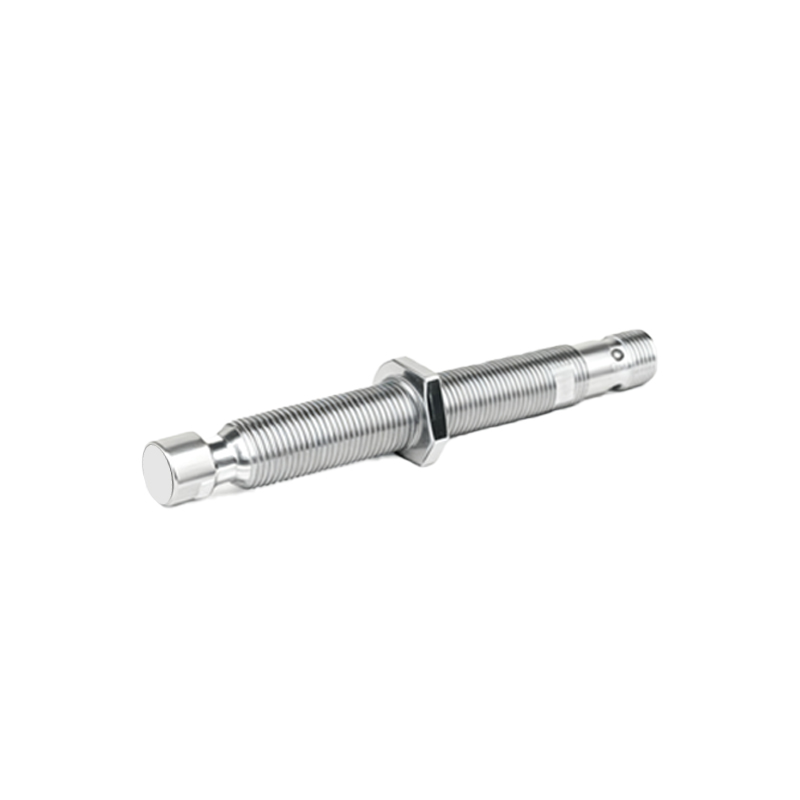
Capacitive proximity switches can detect both metallic and non-metallic materials, such as plastics, liquids, or wood. They function by measuring changes in capacitance between the sensor and the target. An electrode generates an electrostatic field, and when an object with a different dielectric constant enters this field, the capacitance alters, activating the switch. These switches are versatile for applications like level detection in tanks, material handling, and packaging systems. However, they may be sensitive to environmental factors like humidity or temperature fluctuations. Designers must consider factors like sensing distance (usually up to 40 mm), response time, and shielding to avoid false triggers from surrounding objects.
Magnetic proximity switches, or reed switches, utilize magnetic fields for detection. They consist of sealed glass tubes with ferromagnetic reeds that close or open in response to a magnet. These switches are simple, cost-effective, and suitable for low-power applications. Common uses include door position sensing in security systems, limit switches in automotive controls, and fluid level indicators. Their advantages include long operational life and immunity to electrical noise, but they have limited sensing ranges (often under 50 mm) and can be fragile under mechanical stress.
Ultrasonic proximity switches employ sound waves for object detection. They emit high-frequency ultrasonic pulses and measure the time taken for echoes to return after hitting a target. This time-of-flight principle allows them to detect a wide range of materials, regardless of color or transparency, making them useful in complex environments. Applications include distance measurement, obstacle detection in robotics, and liquid level monitoring. Key parameters include sensing range (from a few centimeters to several meters), beam angle, and environmental compensation for temperature or air turbulence. While highly accurate, they may be affected by acoustic interference or soft materials that absorb sound.
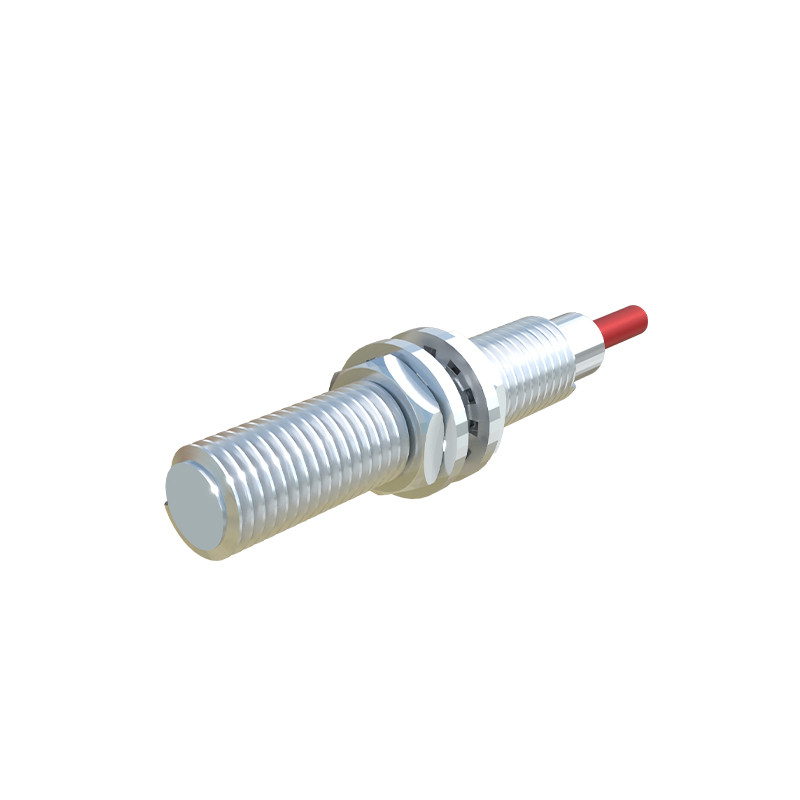
Photoelectric proximity switches use light beams to detect objects. They consist of an emitter (usually LED or laser) and a receiver. When an object interrupts or reflects the light beam, the switch activates. These switches come in three main configurations: through-beam (separate emitter and receiver for long-range detection), retro-reflective (uses a reflector for medium range), and diffuse (single unit for short-range sensing). They excel in high-speed applications, such as counting parts on assembly lines or detecting transparent materials. Factors to consider include sensing distance (up to tens of meters for through-beam types), light source type, and environmental conditions like ambient light or dust.
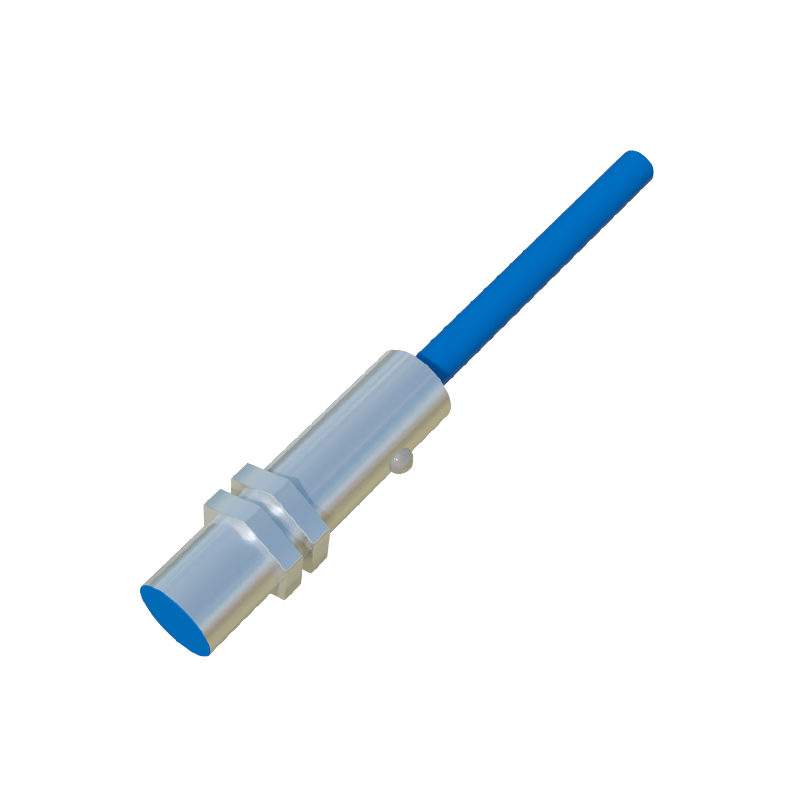
In selecting a proximity switch, engineers must evaluate application requirements: target material, sensing distance, environmental conditions (e.g., temperature, humidity, and contaminants), response speed, and electrical specifications (e.g., output type like NPN/PNP or analog). Regular maintenance, such as cleaning sensor faces and checking wiring, ensures longevity and accuracy. As technology advances, smart sensors with integrated diagnostics and IoT connectivity are becoming prevalent, enhancing predictive maintenance and system integration.
Overall, proximity switches are critical for automation efficiency and safety. By understanding their types and characteristics, professionals can optimize sensor selection for diverse industrial challenges, from manufacturing to logistics.