In the rapidly evolving landscape of industrial automation, miniature proximity sensors have become indispensable components. Their compact size, high reliability, and non-contact detection capabilities make them ideal for a vast array of applications where space is at a premium and precision is paramount. Understanding how to use them correctly is crucial for maximizing system efficiency and longevity. This guide outlines key considerations and best practices for their effective deployment.
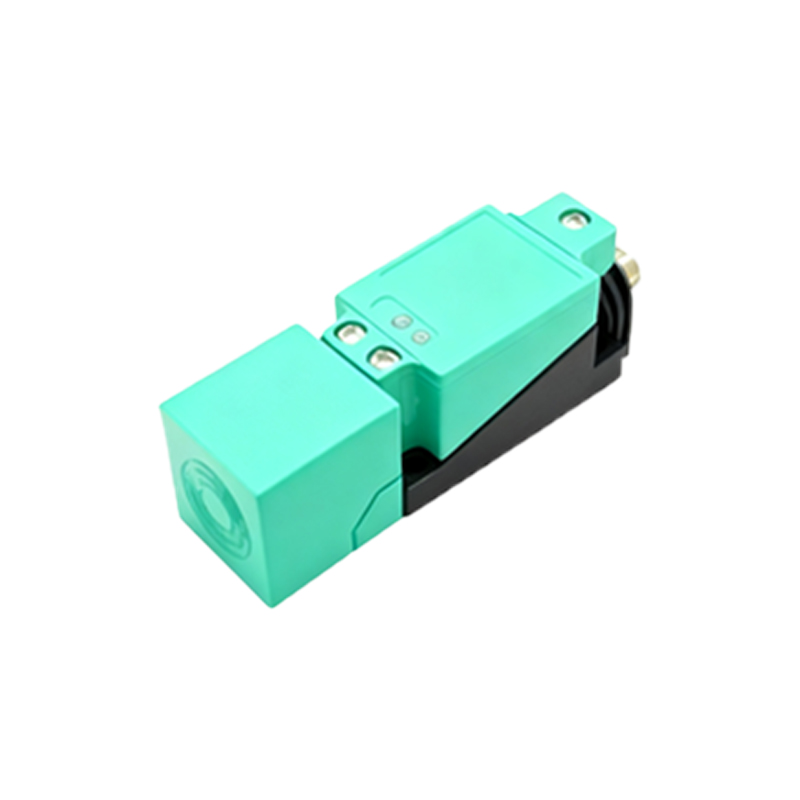
First and foremost, selecting the appropriate sensor type is the foundational step. Miniature proximity sensors are primarily categorized by their sensing technology: inductive, capacitive, and photoelectric. Inductive sensors are the most common for metal detection. They generate an electromagnetic field and detect the eddy current losses caused by a metallic target. For non-metallic materials like plastic, wood, or liquids, capacitive sensors, which detect changes in capacitance, are the correct choice. Ultrasonic sensors, another variant, measure the time-of-flight of sound waves and are suitable for various materials and challenging environments with dust or vapor. Matching the sensor to the target material is non-negotiable for reliable operation.
Once the correct type is chosen, installation and mounting require careful attention. Despite their small size, factors like sensing distance, mounting style, and environmental conditions significantly impact performance. Always refer to the manufacturer's specified nominal sensing distance (Sn). This rating is determined under ideal conditions (standard target, 23°C). In real-world applications, ensure a safety margin; operate the sensor at approximately 70-80% of its nominal range to account for factors like temperature fluctuations, voltage variations, and target material composition. For inductive sensors, the target should be ferrous (like mild steel) for the rated distance; other metals like aluminum or copper have reduction factors that decrease the effective range.
Mounting is critical to avoid interference. Flush-mountable sensors can be installed embedded in metal without affecting their sensing field, while non-flush types require a clear lateral area. Ensure adjacent sensors or metal structures are not within each other's mutual interference zone, as specified in the datasheet. Proper alignment between the sensor face and the target is also essential; the target should approach the sensing face perpendicularly for optimal signal strength.
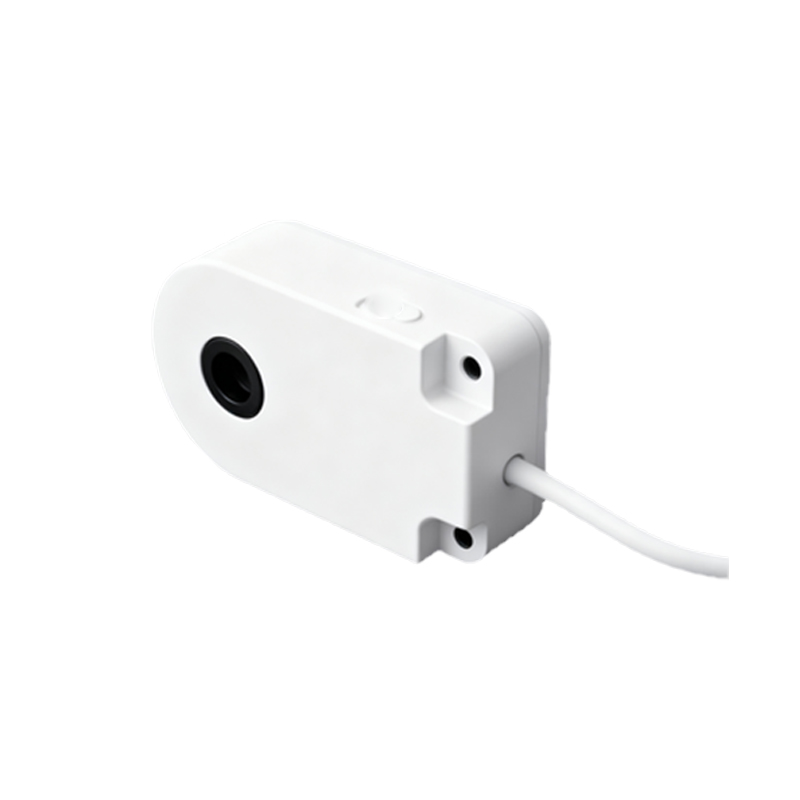
Wiring and electrical connection must adhere to strict standards. Most industrial miniature proximity sensors are 3-wire DC devices (brown/+, blue/-, black/switched output) or 2-wire AC/DC types. Always connect them according to the wiring diagram, ensuring correct polarity for DC models. Implement protective measures such as surge suppressors for inductive loads (like relays or solenoids) connected to the sensor output to prevent voltage spikes from damaging the sensor's internal circuitry. For sensors in high-vibration environments, use crimped or soldered connections with strain relief to prevent wire fatigue.
Environmental protection is another vital aspect. Check the sensor's Ingress Protection (IP) rating. A rating of IP67 is standard for withstanding temporary immersion and dust, suitable for most washdown areas in packaging or food processing. For more aggressive chemical exposure or high-pressure jets, IP69K is required. Additionally, consider temperature ratings; standard sensors typically operate from -25°C to 70°C. Exceeding these limits can lead to premature failure or erratic sensing.
Finally, integration into the control system and routine maintenance complete the cycle. Connect the sensor output to a Programmable Logic Controller (PLC) input or a relay. Test the installation thoroughly by running the target object through the full range of expected operating conditions. Monitor for consistent switching. For maintenance, regularly clean the sensor face from debris, oil, or dust buildup that can attenuate the sensing field, especially for capacitive and photoelectric types. Periodically verify the operating distance and output signal integrity as part of a preventive maintenance schedule.
In conclusion, the effective use of miniature proximity sensors hinges on a methodical approach: correct selection based on target material, precise installation respecting sensing margins and mounting rules, diligent wiring with electrical protection, assurance of environmental suitability, and systematic testing and maintenance. By following these engineering principles, these powerful miniature devices will deliver years of precise, reliable service, forming the silent, unseen backbone of efficient automated systems.