In the high-speed, precision-driven world of industrial automation, robotic pick-and-place systems are fundamental. Their reliability and efficiency hinge on one critical component: the proximity sensor. These sensors act as the robot's "sense of touch," providing the essential feedback needed to locate, identify, and handle objects with accuracy and repeatability. This article explores the pivotal role of proximity sensors in robotic material handling, examining their operating principles, key selection criteria, and integration best practices.
At its core, a proximity sensor is a non-contact device that detects the presence or absence of an object within a defined sensing range. For pick-and-place robots, this capability is indispensable. It allows the robot arm to approach a target object—be it a machined part, an electronic component, or a packaged good—with confidence, preventing collisions and enabling precise positioning for the gripper or suction cup. The absence of physical contact eliminates wear on both the sensor and the workpiece, ensuring long-term system durability.
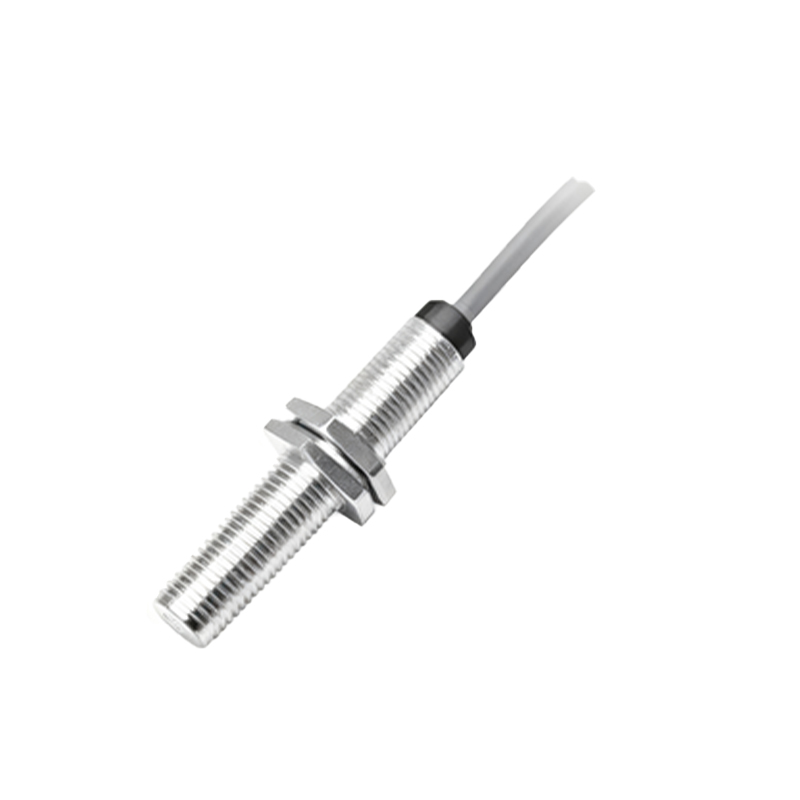
Several sensor technologies are employed, each with distinct advantages. Inductive proximity sensors are the workhorses for detecting metallic objects. They generate an electromagnetic field; when a metal target enters this field, it induces eddy currents, causing a change in the sensor's oscillation amplitude that triggers a switch signal. These sensors are robust, resistant to environmental contaminants like dust or oil, and ideal for detecting metal parts on conveyors or in machining cells.
For non-metallic materials—plastic, wood, glass, or cardboard—capacitive proximity sensors are the preferred choice. They function by detecting changes in capacitance. The sensor forms one plate of a capacitor, with the target object acting as the other. As the object nears, the capacitance increases until it reaches a threshold that activates the output. This makes them versatile for applications involving varied materials, though they can be sensitive to environmental factors like humidity.
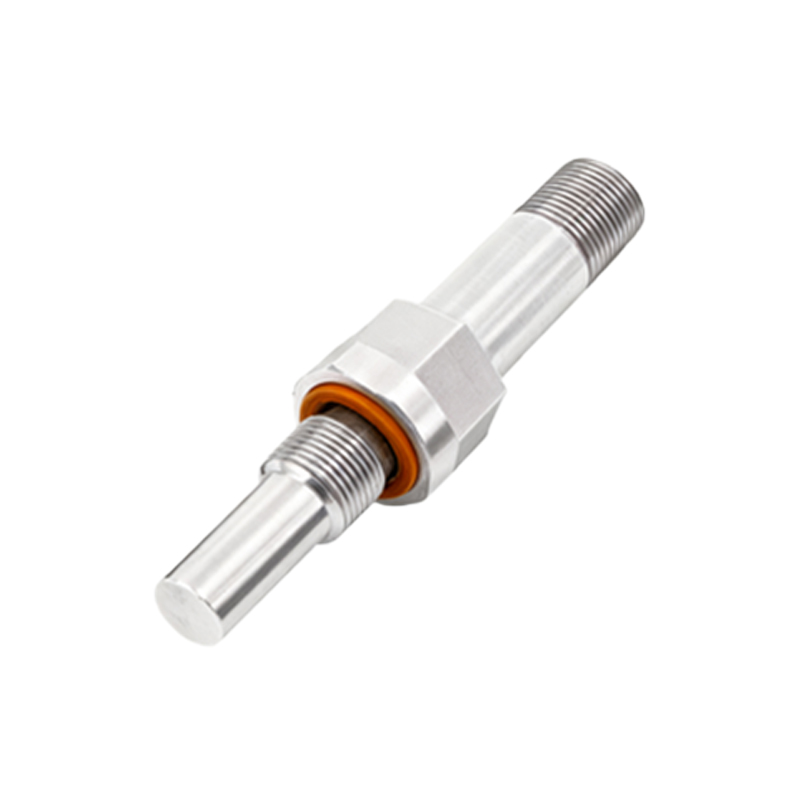
Photoelectric sensors, particularly diffuse-reflective types, offer the longest sensing ranges. They emit a beam of light (visible red or infrared) and detect the light reflected from the target object. They excel at detecting objects of any material, color, or surface finish, provided the reflectivity is sufficient. In pick-and-place systems, they are often used for presence verification at longer distances or for detecting transparent objects when carefully tuned.
Ultrasonic sensors use sound waves to measure distance to an object. They are highly effective for applications requiring precise distance measurement or level detection, and they perform well in environments with airborne dust or vapors that might obscure photoelectric beams. However, their response time is generally slower than inductive or photoelectric sensors.
Selecting the right proximity sensor for a robotic pick-and-place application requires careful analysis of several parameters. The sensing range must be sufficient for the application but not excessive, to avoid unintended triggering. The target material dictates the technology: metal calls for inductive, while non-metals may require capacitive or photoelectric. Environmental conditions are critical; factors like coolant mist, metal chips, or washdown procedures demand sensors with appropriate ingress protection (IP) ratings, such as IP67 or IP69K. Response time must be fast enough to keep pace with the robot's cycle time, often requiring signals in the microsecond or low millisecond range. Finally, the output type—typically PNP (sourcing) or NPN (sinking)—must be compatible with the robot's programmable logic controller (PLC) or input module.
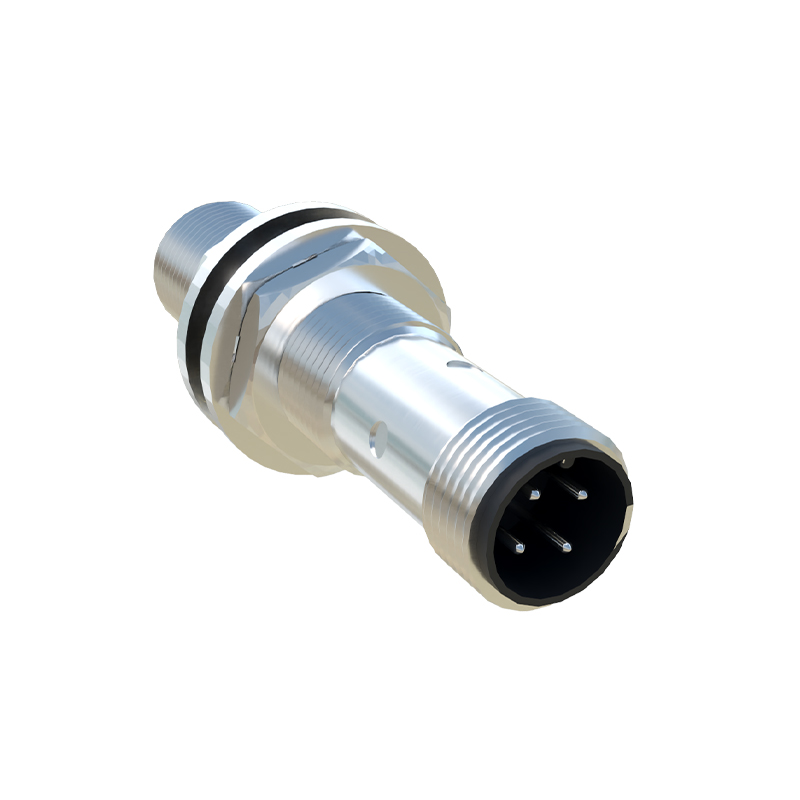
Integration and installation are as important as the selection itself. Sensors must be mounted securely to withstand vibration from the moving robot arm. The sensing field must be aligned correctly to the expected path of the target, avoiding interference from nearby metal structures (for inductive sensors) or background objects (for photoelectric sensors). Shielding or using sensors with built-in background suppression can mitigate these issues. Wiring should be routed neatly in cable carriers to prevent fatigue and breakage from continuous flexing.
Advanced applications are pushing the boundaries of sensor capabilities. Analog-output sensors provide continuous distance information, enabling robots to perform more complex tasks like contour following or adaptive gripping based on object size. IO-Link enabled sensors go a step further, offering digital bidirectional communication. They allow for remote configuration, real-time diagnostics, and parameter changes on-the-fly, facilitating predictive maintenance and reducing downtime—a key tenet of Industry 4.0.
In conclusion, proximity sensors are far from simple on/off switches in robotic pick-and-place systems. They are sophisticated, application-specific components that directly impact throughput, quality, and operational safety. A thorough understanding of their technologies, coupled with meticulous selection and integration, is paramount for designing a robust, efficient, and reliable automated material handling cell. As robots become faster and tasks more complex, the evolution of smart, networked sensors will continue to be a driving force in automation innovation.