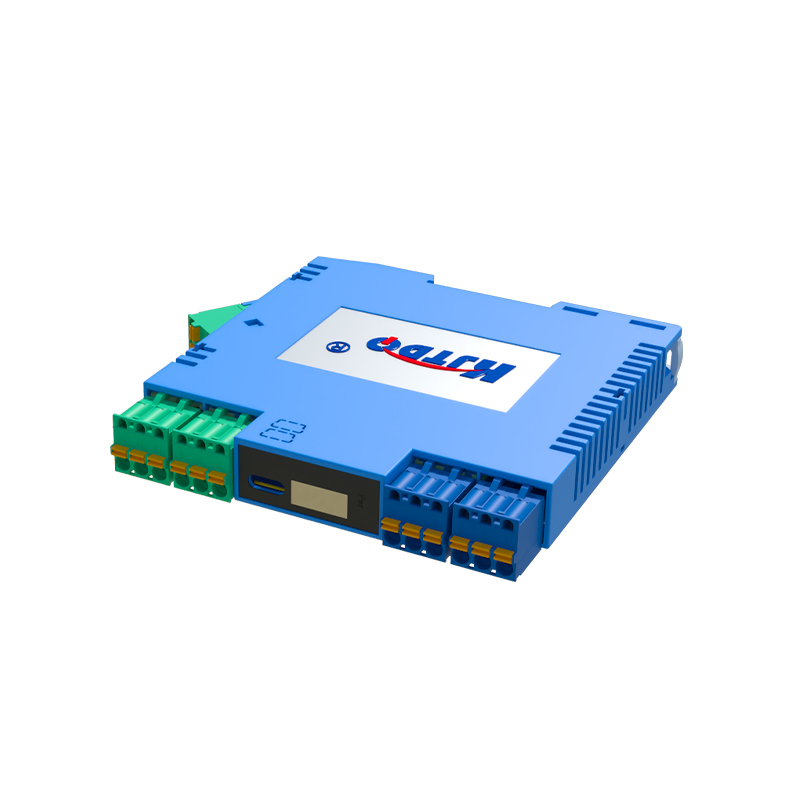
In the rapidly evolving landscape of industrial automation and smart systems, the demand for reliable, efficient, and durable sensing technology is paramount. Among the various innovations, supercapacitor proximity sensors have emerged as a critical component, offering unique advantages that address longstanding challenges in harsh and demanding environments. Unlike traditional capacitive or inductive sensors, these devices leverage the exceptional energy storage and rapid charge-discharge capabilities of supercapacitors to enhance performance, particularly in applications requiring high sensitivity, longevity, and stability.
At its core, a proximity sensor detects the presence or absence of an object within a specific range without physical contact. Conventional capacitive sensors operate by generating an electrostatic field and detecting changes in capacitance caused by an approaching object. However, they can be susceptible to environmental factors like humidity, temperature fluctuations, and material composition of the target. Supercapacitor proximity sensors integrate supercapacitors—also known as ultracapacitors—into their sensing circuitry. Supercapacitors store energy electrostatically in an electric double layer, allowing for extremely fast energy uptake and release. This integration fundamentally alters the sensor's operational dynamics. The supercapacitor acts as a high-power buffer, enabling the sensor to deliver strong, instantaneous bursts of energy for detection pulses. This results in enhanced signal strength and improved signal-to-noise ratio, allowing for more precise detection of objects, even those with low dielectric constants or at greater distances.
The primary role of supercapacitor proximity sensors is to provide unmatched reliability in challenging conditions. In industries such as mining, heavy machinery, and outdoor automation, equipment is often exposed to dust, moisture, vibration, and extreme temperatures. Traditional sensors may falter under such stress, leading to downtime and maintenance costs. The robust nature of supercapacitors, with their wide operating temperature ranges and long lifecycle—often exceeding one million charge-discharge cycles—makes these sensors exceptionally durable. They can maintain consistent performance where other sensors degrade, ensuring continuous operation in critical monitoring and control systems.
Another significant function is energy efficiency and self-sustainability. Many modern industrial setups are moving towards energy-autonomous systems, including those powered by energy harvesting from vibrations, light, or thermal gradients. Supercapacitor proximity sensors are ideally suited for such applications. Their ability to quickly store harvested energy and release it in powerful bursts for sensing operations enables the creation of wireless, battery-free sensor nodes. This reduces maintenance needs for battery replacement and supports the deployment of sensors in remote or inaccessible locations, facilitating the expansion of the Industrial Internet of Things (IIoT).
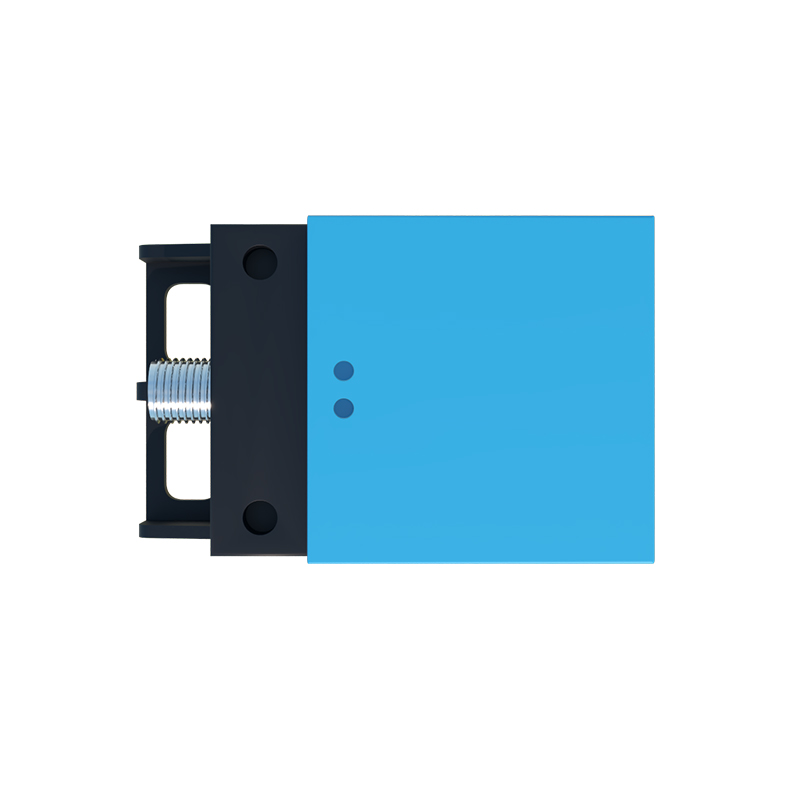
Furthermore, these sensors play a crucial role in enhancing safety and precision. In automated manufacturing lines, robotic arms, and material handling systems, precise object detection is vital to prevent collisions, ensure proper positioning, and maintain workflow integrity. The high sensitivity and fast response time of supercapacitor-enhanced sensors allow for more accurate detection of minute positional changes or the presence of fragile objects. This precision minimizes errors, reduces waste, and enhances overall operational safety by providing reliable feedback to control systems in real-time.
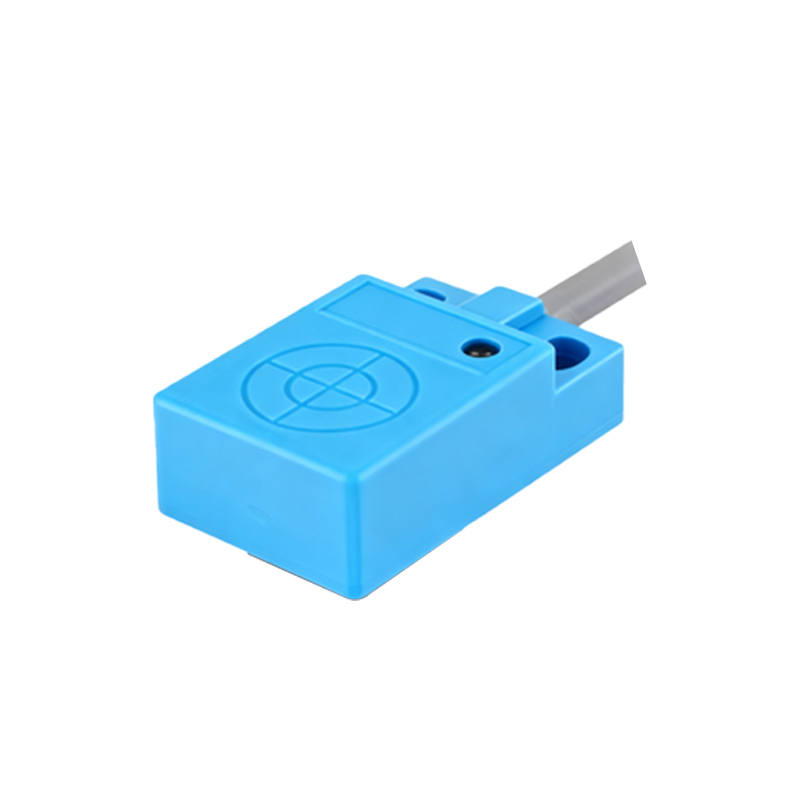
The application spectrum of supercapacitor proximity sensors is broad and growing. They are increasingly used in automotive manufacturing for part presence verification, in renewable energy systems for monitoring moving components in wind turbines, and in smart infrastructure for detecting structural displacements. Their ability to interface seamlessly with digital networks and microcontrollers also supports advanced data analytics and predictive maintenance strategies, contributing to smarter, more responsive industrial ecosystems.
In conclusion, supercapacitor proximity sensors represent a significant technological advancement, transcending the limitations of conventional sensing methods. Their role extends beyond simple detection; they are enablers of resilience, efficiency, and intelligence in modern industrial operations. By combining the rapid energy dynamics of supercapacitors with proximity sensing principles, these devices offer a future-proof solution that aligns with the trends of automation, energy independence, and operational excellence. As industries continue to push the boundaries of performance and reliability, the adoption and refinement of supercapacitor proximity sensors will undoubtedly play a pivotal role in shaping the next generation of industrial automation.