In the rapidly evolving landscape of industrial automation and smart consumer devices, 2C proximity sensor chips have emerged as pivotal components, driving efficiency, safety, and innovation. These advanced integrated circuits are designed to detect the presence or absence of objects within a specified range without physical contact, leveraging technologies such as capacitive, inductive, or optical sensing. The "2C" designation often refers to their dual-core or dual-channel architecture, enabling enhanced processing capabilities and reliability in diverse applications.
The core functionality of 2C proximity sensor chips lies in their ability to convert physical proximity into electrical signals with high precision. In industrial settings, they are integral to automated assembly lines, robotics, and machinery safety systems. For instance, in conveyor belt operations, these chips can detect product positioning, trigger sorting mechanisms, or halt equipment to prevent collisions, thereby minimizing downtime and reducing operational costs. Their robustness in harsh environments—resistant to dust, moisture, and temperature fluctuations—makes them ideal for heavy-duty manufacturing and logistics.
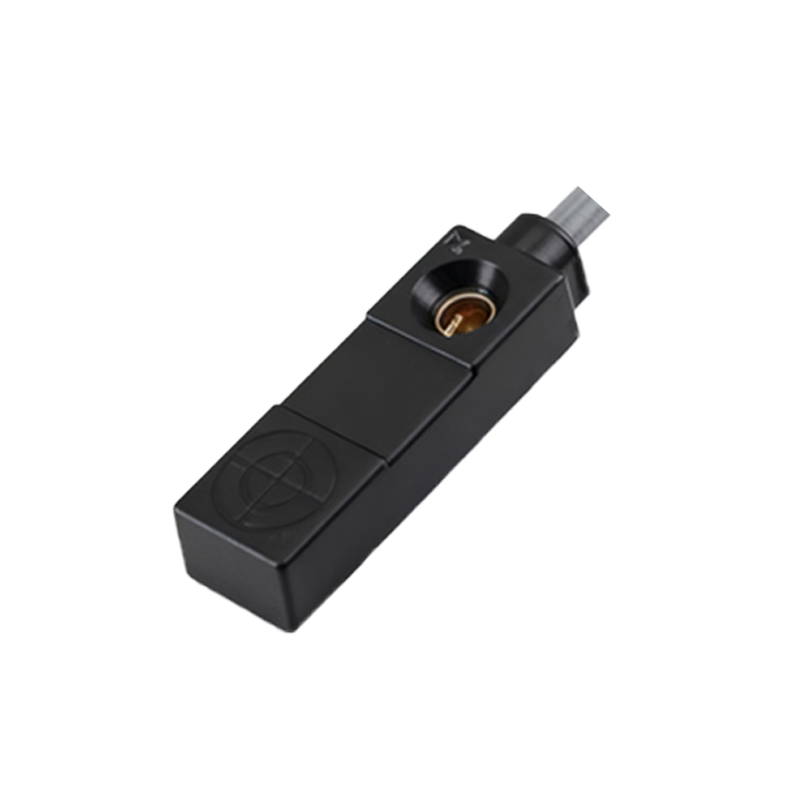
In consumer electronics, 2C proximity sensor chips are ubiquitous in smartphones, tablets, and wearable devices. They enable features like screen dimming during calls to save battery life, gesture recognition for touchless controls, and automatic wake-up functions when a user approaches. The dual-channel design allows for simultaneous monitoring of multiple parameters, such as distance and ambient light, enhancing user experience through seamless integration. Moreover, with the rise of the Internet of Things (IoT), these chips facilitate smart home automation, from lighting systems that adjust based on occupancy to security sensors that detect intrusions.
Technological advancements in 2C proximity sensor chips have focused on improving sensitivity, response time, and energy efficiency. Modern iterations incorporate low-power modes and advanced algorithms for noise reduction, ensuring accurate detection even in complex scenarios. For example, in automotive applications, they contribute to advanced driver-assistance systems (ADAS) by monitoring blind spots or enabling hands-free trunk opening. The integration of machine learning capabilities further allows these chips to adapt to changing environments, predicting maintenance needs or optimizing performance in real-time.
Despite their benefits, challenges remain in the deployment of 2C proximity sensor chips. Issues such as interference from electromagnetic fields, calibration requirements, and cost constraints can impact their adoption in budget-sensitive projects. However, ongoing research in materials science and semiconductor design is addressing these hurdles, with innovations like graphene-based sensors and miniaturized packaging pushing the boundaries of what's possible. Industry standards, such as IEC 60947-5-2 for proximity devices, also ensure compatibility and safety across global markets.
Looking ahead, the future of 2C proximity sensor chips is intertwined with trends like Industry 4.0 and smart cities. As demand for automation and connectivity grows, these chips will play a crucial role in enabling predictive maintenance, energy management, and enhanced human-machine interfaces. Collaborations between chip manufacturers and software developers are likely to yield more intuitive applications, from healthcare monitoring devices to agricultural drones. Ultimately, 2C proximity sensor chips represent not just a technological tool but a catalyst for transformative change across sectors, underscoring their importance in building a more efficient and interconnected world.