In the realm of industrial automation and machine control, proximity switch sensors stand as fundamental components. These devices, often simply called proximity sensors, detect the presence or absence of an object without any physical contact. Their non-contact nature is the key to their reliability, longevity, and widespread adoption across countless applications. This article delves into the working principles, main types, and practical uses of these essential electronic components.
At its core, a proximity sensor operates by emitting an electromagnetic field or a beam of electromagnetic radiation. It then looks for changes in the field or return signal. The object being detected is often referred to as the sensor's "target." Different sensor technologies are suited for detecting different target materials, such as metals, plastics, or liquids. The primary advantage is the absence of mechanical parts that can wear out from repeated physical contact, leading to minimal maintenance and a long operational life.
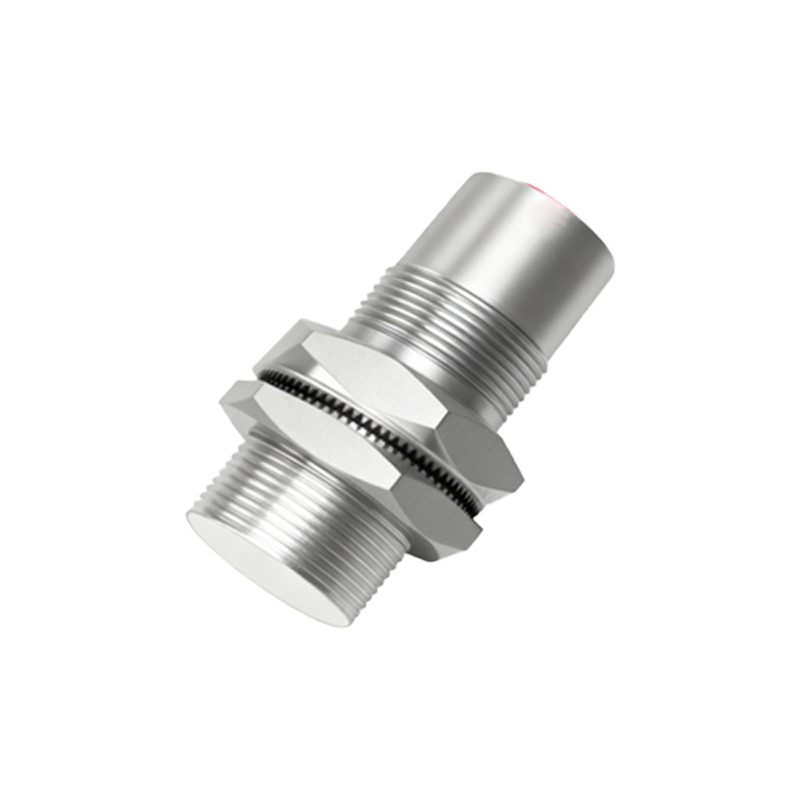
Several key technologies define the major categories of proximity sensors. Inductive proximity sensors are among the most common. They generate an oscillating electromagnetic field. When a metallic target enters this field, it induces eddy currents within the target, which causes a change in the sensor's own oscillation amplitude. This change triggers a solid-state output switch. These sensors are ideal for detecting ferrous and non-ferrous metals but are ineffective for non-metallic materials.
Capacitive proximity sensors, on the other hand, can detect both metallic and non-metallic materials, including liquids, powders, and plastics. They function by generating an electrostatic field. The presence of any object with a dielectric constant different from air alters the capacitance of the sensor's circuit, which is measured and used to activate the output. This makes them versatile for applications like level detection in tanks or sensing wood or glass.
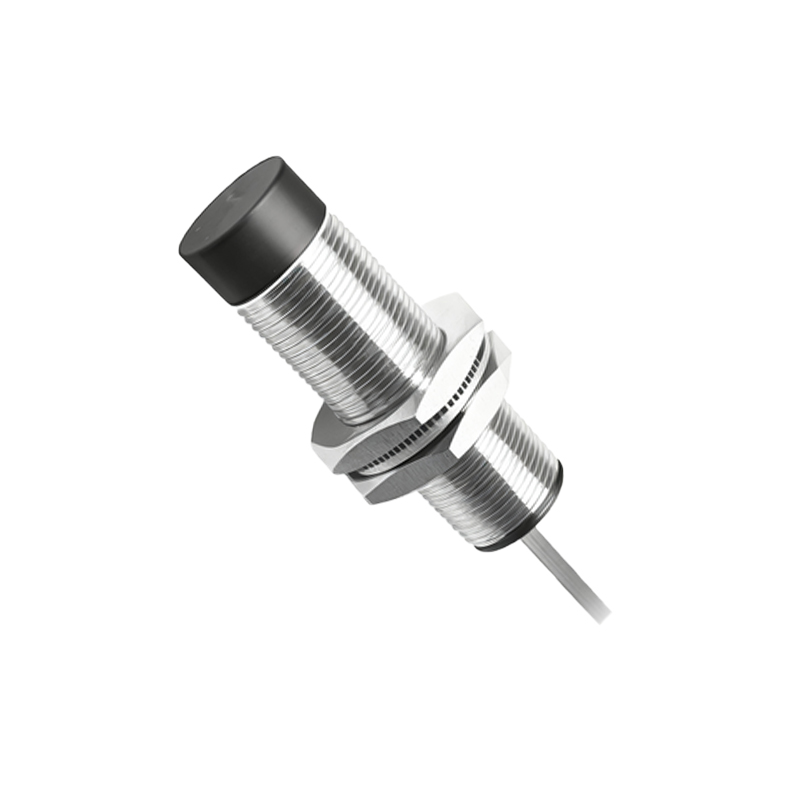
For longer sensing ranges and the detection of virtually any material, photoelectric sensors are frequently employed. These use a light emitter (usually LED) and a receiver. The presence of an object is detected by either the interruption of the light beam (through-beam), the reflection from the target (retro-reflective), or the reflection from the object itself (diffuse reflective). While not always classified strictly as "proximity switches," their diffuse reflective mode performs a similar non-contact proximity function.
Ultrasonic sensors use sound waves beyond the human hearing range. They measure the time taken for an emitted sound pulse to reflect back from a target. This technology is excellent for detecting objects of various compositions and is particularly useful in challenging environments with dust, smoke, or vapors where optical sensors might fail.
The output of a proximity sensor is typically a switching signal. This can be a standard digital ON/OFF signal from a transistor (NPN or PNP sourcing/sinking) or a relay contact. This simple signal seamlessly integrates with Programmable Logic Controllers (PLCs), motor starters, and other control circuitry to stop a conveyor, count items, confirm positioning, or initiate the next step in a process.
The applications are vast and critical. In automotive manufacturing, inductive sensors verify the presence of metal components like pistons or engine blocks on assembly lines. In packaging, capacitive sensors ensure bottles are filled to the correct level. Photoelectric sensors count boxes on high-speed conveyors. On machine tools, proximity sensors provide precise position feedback for robotic arms or limit switching to prevent over-travel. They are also pivotal in safety systems, forming part of guard door monitoring circuits to ensure machinery only operates when access doors are securely closed.
Selecting the right proximity sensor involves considering several factors: the target material, required sensing distance, environmental conditions (temperature, presence of chemicals or washdown needs), output type needed, and electrical requirements. Mounting considerations and whether a shielded or unshielded design is preferable also play a role in ensuring stable and accurate detection.
In conclusion, proximity switch sensors are the silent, reliable sentinels of modern industry. By offering robust, contactless detection, they enable higher speeds, improve product quality through precise control, reduce equipment wear, and enhance overall system safety. Their continued evolution, including miniaturization and increased intelligence with IO-Link communication, ensures they will remain indispensable in the automated systems of today and the future.