In the realm of industrial automation and electronic control systems, proximity sensors are indispensable components for non-contact detection. The performance, reliability, and longevity of these sensors are profoundly influenced by their construction materials, particularly the ceramic elements used in their sensing faces or protective housings. Ceramics offer a unique combination of properties unattainable with metals or plastics, making them the material of choice for demanding applications. This article delves into the primary ceramic materials used in proximity sensors, exploring their distinct characteristics and ideal use cases.
Alumina (Aluminum Oxide, Al2O3) is arguably the most prevalent ceramic material in proximity sensor manufacturing. Its popularity stems from an excellent balance of properties and cost-effectiveness. Alumina ceramics exhibit high mechanical strength, exceptional hardness (second only to diamonds in some forms), and outstanding wear resistance. They possess good electrical insulation properties, which is crucial for capacitive and inductive sensors to function correctly without interference. Furthermore, alumina demonstrates remarkable chemical inertness, resisting attack from most acids, alkalis, and solvents, making it suitable for harsh industrial environments. It can operate continuously at temperatures up to 1600°C, though sensor electronics typically limit the operational range. Typical alumina content in sensor ceramics ranges from 96% to 99.9%, with higher purity grades offering better performance but at increased cost. These ceramics are commonly used in inductive proximity sensors for metal detection and as robust housings in various sensor types.
Zirconia (Zirconium Dioxide, ZrO2) is selected for applications where superior toughness and mechanical strength are paramount. While very hard, some pure zirconia phases can be brittle. Therefore, stabilized zirconia—often with additives like yttria (Y2O3) to form Yttria-Stabilized Zirconia (YSZ)—is used. This stabilization process enhances the material's fracture toughness, making it highly resistant to cracking and thermal shock. Zirconia's toughness surpasses that of alumina, allowing for thinner sensor faces that can be placed closer to the sensing coil in inductive sensors, potentially improving sensitivity and range. It also has a lower thermal conductivity than alumina, which can be beneficial in temperature-varying environments. However, zirconia is generally more expensive than alumina. Its primary use in proximity sensors is in extreme conditions involving high mechanical stress, impact risk, or severe thermal cycling.
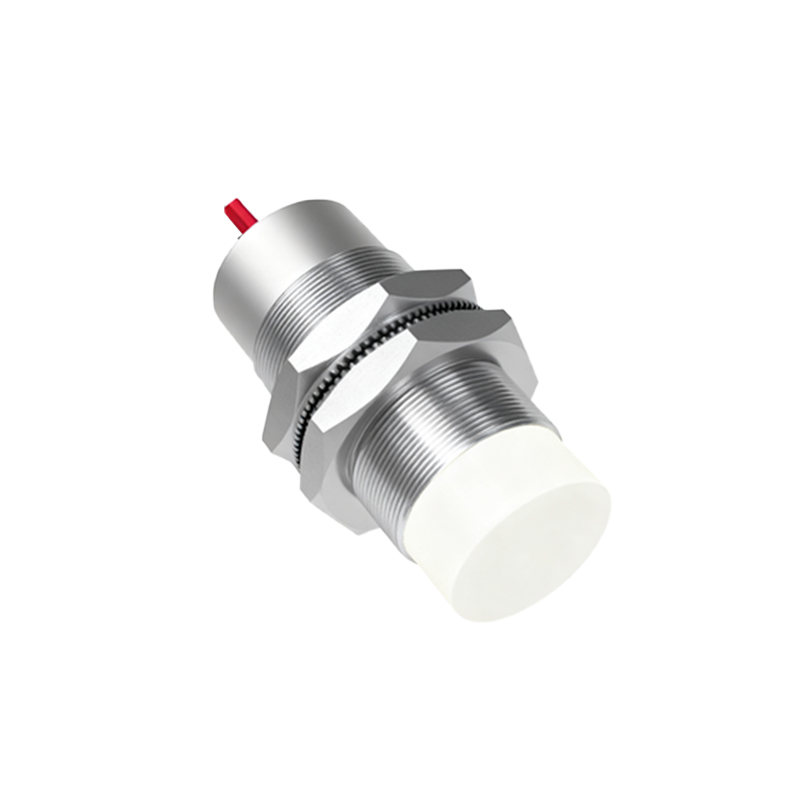
For the most demanding high-temperature and highly corrosive environments, advanced ceramics like Aluminum Nitride (AlN) and Silicon Nitride (Si3N4) are employed, though less commonly due to cost. Aluminum Nitride is prized for its very high thermal conductivity (comparable to some metals) alongside excellent electrical insulation. This combination makes it ideal for sensors where heat dissipation from internal electronics is a critical concern, preventing performance drift or failure. It also maintains good mechanical properties and corrosion resistance. Silicon Nitride offers an exceptional combination of high strength, toughness, thermal shock resistance, and low thermal expansion. It is exceptionally resistant to wear and many corrosive agents. Sensors utilizing silicon nitride ceramics are found in specialized applications such as aerospace, advanced metallurgy, or aggressive chemical processing plants.
The selection of the appropriate ceramic material is a critical engineering decision that hinges on the application's specific requirements. Key factors to consider include the operating environment (presence of chemicals, oils, coolants), mechanical stress (vibration, potential for physical impact), required sensing distance and sensitivity, thermal conditions, and overall cost constraints. For instance, a standard inductive sensor on a factory assembly line might use cost-effective 96% alumina. In contrast, a sensor inside a high-temperature furnace or in a wafer handling robot within a semiconductor fab might necessitate the use of YSZ or even silicon nitride.
The manufacturing process of these ceramic components also significantly impacts final sensor performance. Techniques like dry pressing, isostatic pressing, or injection molding are used to form the "green" ceramic, which is then sintered at high temperatures. The precision in shaping and the quality of the sintering process determine the dimensional accuracy, surface finish, and final material density, all of which can influence sensing characteristics, especially in high-frequency inductive or capacitive sensors.
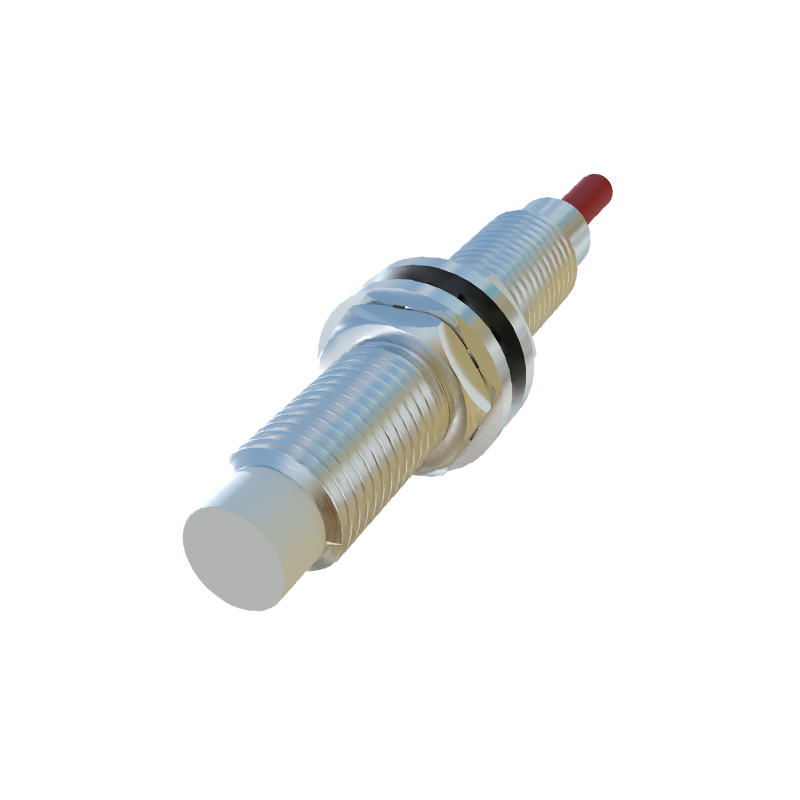
In conclusion, the ceramic element in a proximity sensor is far from a simple protective cover. It is a critical, engineered component whose material properties directly enable the sensor's functionality and durability. From the workhorse alumina to the tough zirconia and the specialized nitrides, each ceramic type brings a distinct set of advantages. Understanding these material properties allows engineers and system designers to specify the optimal proximity sensor, ensuring reliable, maintenance-free operation in everything from food packaging machinery to steel mills and cleanrooms. As sensor technology advances towards higher frequencies, miniaturization, and more extreme applications, the role of advanced ceramic materials will only become more significant.