In industrial automation and machinery, proximity sensors play a critical role in detecting the presence or absence of objects without physical contact. These sensors are widely used in manufacturing lines, robotic systems, and safety applications. However, a common yet often overlooked issue is the loosening of mounting nuts due to vibration, thermal cycling, and dynamic loads. This can lead to sensor misalignment, false readings, or complete failure, resulting in costly downtime and safety hazards.
To address this, engineers must consider several nut locking methods tailored to the operational environment. Traditional solutions include the use of lock washers, such as split washers or toothed washers, which provide some resistance against rotation. While effective in low-vibration settings, they may not suffice in high-frequency industrial environments. For more demanding applications, prevailing torque nuts, like nylon insert lock nuts, offer superior performance by creating friction between the threads. These nuts are reusable to a certain extent and are suitable for sensors exposed to moderate vibrations.
Another advanced approach involves chemical thread-locking adhesives. These liquids are applied to the nut threads before assembly and cure to form a secure bond. They are ideal for permanent or semi-permanent installations and can withstand extreme temperatures and corrosive conditions. However, they require proper surface preparation and may complicate disassembly. For applications requiring frequent adjustments, mechanical locking devices, such as double nuts or castellated nuts with cotter pins, provide a reliable solution. These methods physically prevent rotation by adding a secondary locking element.
In high-vibration industries like automotive or aerospace, specialized nuts with integrated locking features, such as all-metal lock nuts or flange nuts with serrated faces, are preferred. These designs distribute clamping force evenly and resist loosening under cyclic stresses. Additionally, proper installation techniques are crucial. Engineers should follow torque specifications using calibrated tools and consider factors like thread lubrication and material compatibility. Regular maintenance checks, including torque audits and visual inspections, help identify early signs of loosening.
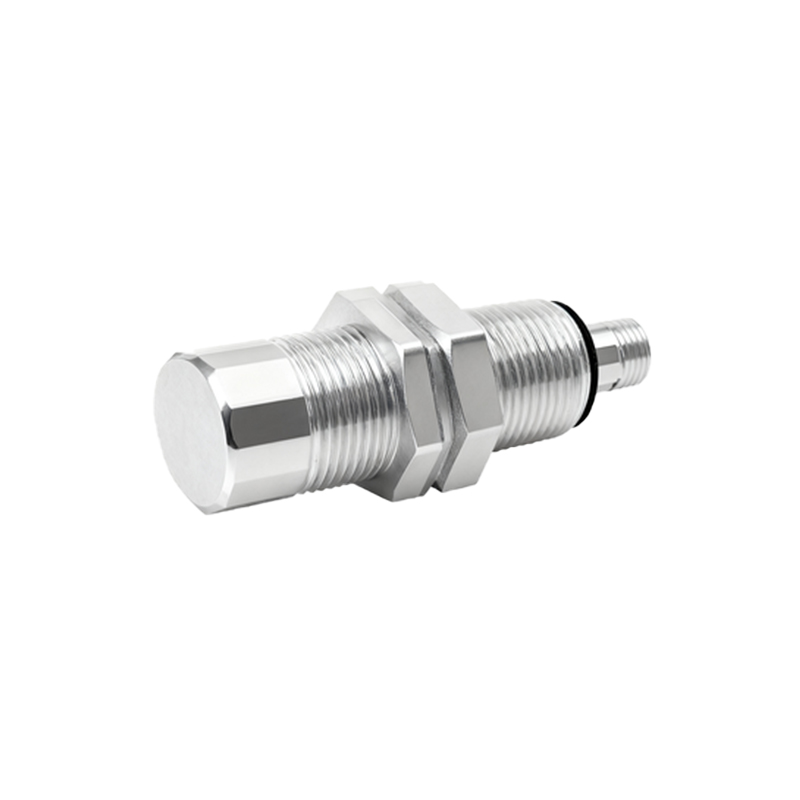
Ultimately, selecting the right nut locking solution depends on factors such as vibration intensity, temperature range, maintenance frequency, and cost constraints. By implementing robust locking strategies, companies can enhance the reliability of proximity sensors, reduce operational risks, and improve overall system efficiency. As technology evolves, innovations in materials and design continue to offer new options for securing critical components in challenging industrial settings.