In modern automotive engine management systems, the post-catalytic converter oxygen sensor, commonly referred to as the downstream or Bank 1 Sensor 2/Bank 2 Sensor 2 O2 sensor, plays a critical role in monitoring catalytic converter efficiency. A common and often concerning diagnostic finding is a post-cat O2 sensor signal voltage that remains static or fluctuates very near 0 volts. This condition is a significant departure from the expected behavior of a healthy system and requires systematic analysis. This article delves into the technical reasons behind this phenomenon, outlines a professional diagnostic approach, and discusses appropriate solutions.
Firstly, it is essential to understand the normal operational parameters. A functioning post-catalytic converter oxygen sensor typically produces a relatively stable voltage signal compared to the pre-cat sensor's rapid switching. It generally reads between 0.4 and 0.6 volts, with slow oscillations. This stable reading indicates the catalytic converter is effectively storing and releasing oxygen, "smoothing out" the exhaust mixture's richness fluctuations measured upstream. When the downstream sensor voltage pins at or near 0 volts, it signals an exhaust mixture that is perceived as extremely lean by the sensor's sensing element.
The root causes for a near-0V post-cat O2 sensor reading can be categorized into sensor-related issues, exhaust system faults, and engine management problems.
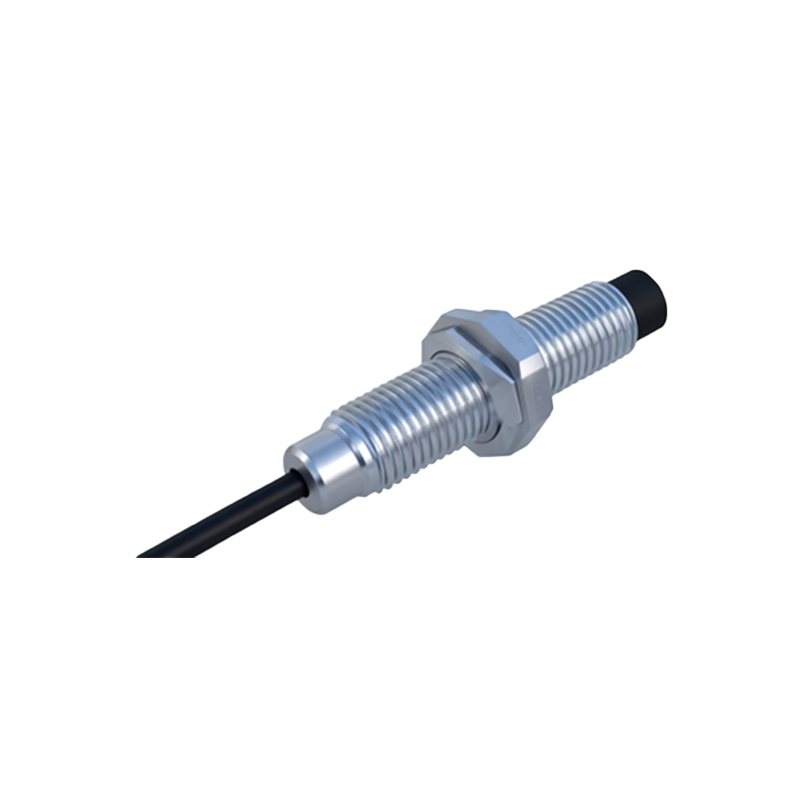
1. Sensor and Wiring Faults:
Sensor Failure: The most direct cause is a failed sensor itself. Internal heater circuit failure, zirconia element degradation, or contamination (e.g., by silicone, coolant, or excessive oil ash) can prevent the sensor from generating a proper voltage signal, resulting in a default near-zero output.
Open Circuit or Short to Ground: A broken wire in the sensor signal circuit or an unintentional short circuit to chassis ground will pull the voltage reading at the Engine Control Module (ECM) down to or near 0 volts. This is a common electrical fault.
Poor Connector Contact: Corrosion, moisture, or physical damage at the sensor connector can interrupt the signal, leading to a false 0V reading.
2. Exhaust System and Catalytic Converter Issues:
Exhaust Leak Upstream of the Sensor: A significant leak (e.g., a cracked manifold, leaking gasket, or hole in the pipe) before the downstream sensor allows ambient oxygen to enter the exhaust stream. This dilutes the exhaust gases, presenting an artificially lean condition to the sensor, driving its voltage low.
Failed Catalytic Converter: A severely degraded or melted catalytic converter may lose its oxygen storage capacity. In some failure modes, it can no longer buffer the exhaust stream, causing the post-cat sensor to mimic the rapid switching of the pre-cat sensor. However, it can also lead to atypical low readings depending on the internal damage and the resulting exhaust gas composition.
3. Engine Management and Fuel System Problems:
Genuinely Extremely Lean Condition: While the primary oxygen trim control is based on the upstream sensors, a severe overall lean condition caused by vacuum leaks, low fuel pressure, clogged injectors, or faulty mass airflow sensors can result in exhaust so oxygen-rich that both pre- and post-cat sensors read very low voltages.
Fuel Contamination: The presence of excess alcohol or other contaminants in the fuel can alter combustion and exhaust gas oxygen content, potentially affecting sensor readings.
Professional Diagnostic Procedure:
A methodical approach is paramount. Begin with a visual inspection of the exhaust system for leaks and the sensor wiring for damage. Use a high-impedance digital multimeter and a diagnostic scan tool.
1. Scan for Codes: Retrieve all powertrain diagnostic trouble codes (DTCs). Codes like P0136, P0137 (low voltage circuit), or P0420 (catalyst efficiency) provide crucial context.
2. Live Data Analysis: Observe the live data streams for both upstream and downstream O2 sensors simultaneously. Compare their behaviors.
If the upstream sensor is also stuck low (e.g., 0.1-0.3V), the problem is likely a global engine lean condition.
If the upstream sensor is switching normally (rich/lean cycles) but the downstream is near 0V, the issue is isolated to the exhaust path between them or the downstream sensor itself.
3. Active Testing: Create a temporary rich condition by introducing propane (carefully) or by gently restricting the air intake. Observe if the downstream sensor voltage rises. If it does not respond at all, a sensor or wiring fault is confirmed. If it responds sluggishly or very little, an exhaust leak is probable.
4.