In the rapidly evolving landscape of industrial automation, the role of standard proximity sensors has transitioned from a simple component to a cornerstone of smart manufacturing systems. Their ability to detect the presence or absence of objects without physical contact makes them indispensable for tasks ranging from object counting and positioning to machine safety and process control. The successful industrialization of these sensors, however, requires a comprehensive strategy that balances technological innovation, manufacturing scalability, and market-specific demands.
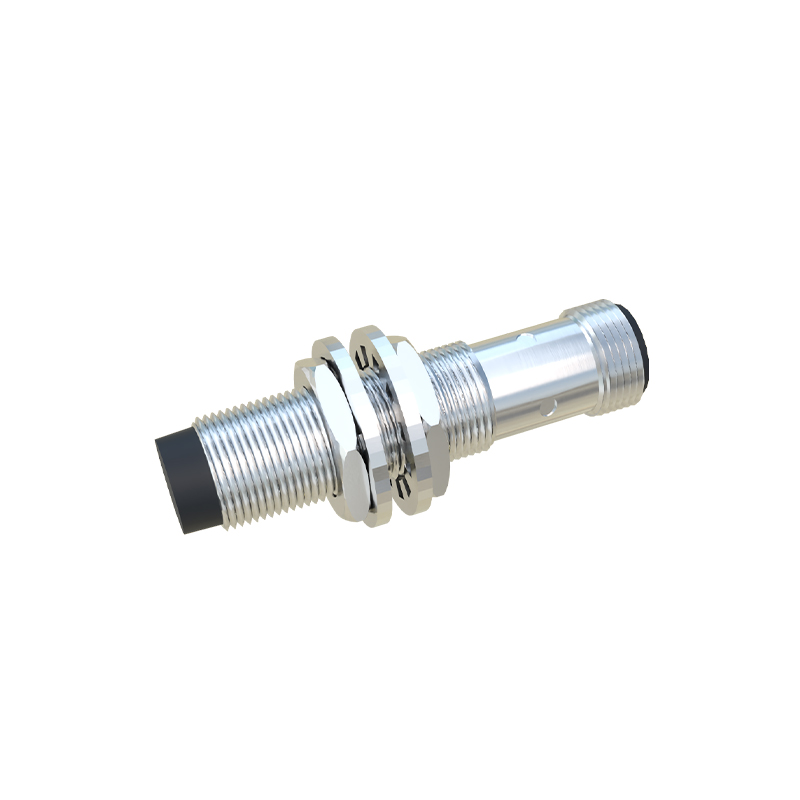
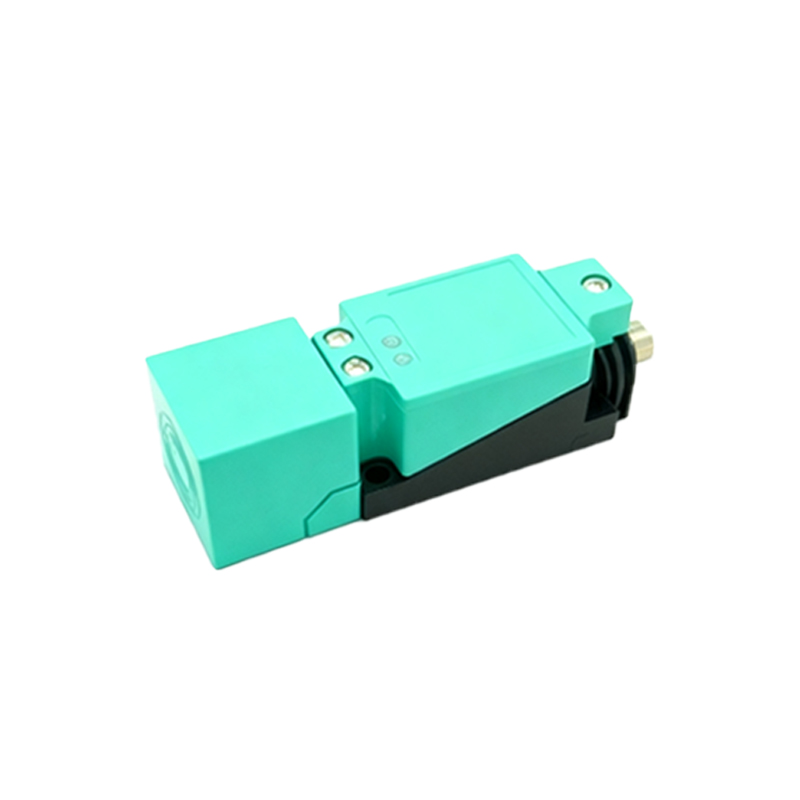
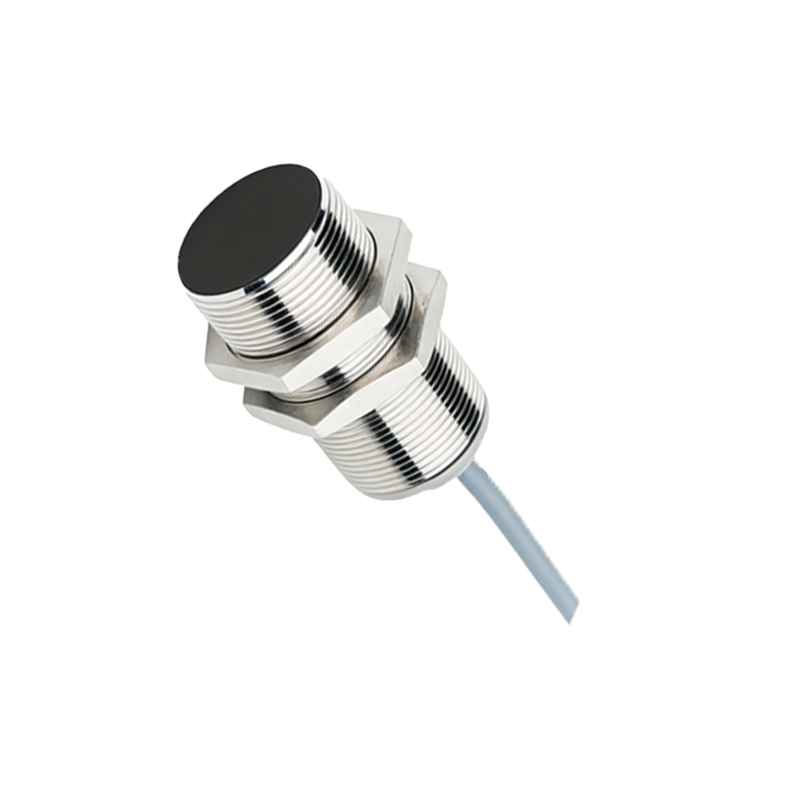
The foundation of any robust industrialization plan lies in a modular and standardized product architecture. A core sensor platform, encompassing the essential sensing element (inductive, capacitive, or photoelectric), oscillator circuit, and output stage, should be designed for maximum flexibility. This platform approach allows for the efficient derivation of numerous variants by altering housing materials (e.g., nickel-plated brass, stainless steel for harsh environments), form factors (cylindrical, rectangular, slot-type), and connection methods (cable, connector). Standardization of key electrical and mechanical interfaces is paramount. Adherence to global standards like IEC 60947-5-2 ensures compatibility, simplifies integration for end-users, and facilitates certification processes, which are critical for market acceptance.
Manufacturing scalability is the engine of industrialization. Implementing lean manufacturing principles and automated assembly lines is non-negotiable for achieving high volume, consistent quality, and competitive cost structures. Key processes, such as coil winding for inductive sensors, hermetic sealing for washdown applications, and final calibration, should be highly automated. A rigorous quality management system, certified to ISO 9001, must govern the entire production flow—from incoming component inspection to final testing. Statistical Process Control (SPC) should be employed to monitor critical parameters, ensuring every sensor meets specified sensing ranges, repeatability, and temperature stability tolerances. Establishing a dual or multi-source strategy for critical semiconductors and raw materials mitigates supply chain risks, a lesson sharply underscored by recent global disruptions.
The industrialization strategy must also address the evolving needs of Industry 4.0. Modern proximity sensors are no longer "dumb" switches. The integration of IO-Link communication capability into standard sensor housings is a transformative step. IO-Link turns a simple binary sensor into an intelligent device capable of transmitting detailed process data (e.g., signal strength, temperature, operating hours) and receiving parameter adjustments on-the-fly. This enables predictive maintenance, remote diagnostics, and seamless integration into higher-level control systems. Industrialization plans must therefore include the scalable production of both standard and IO-Link-enabled variants from the same core platform.
Furthermore, the strategy must encompass a global perspective with local adaptation. While the core technology is universal, regional market nuances exist. Electrical standards (NAMUR for hazardous areas, specific PNP/NPN sourcing/sinking preferences), connector types (M8, M12), and required certifications (UL, CE, ATEX, IECEx) vary. A successful industrializer designs products to easily accommodate these regional differences through configurable end-of-line programming or modular connector assemblies, avoiding the need for entirely separate production lines.
Finally, industrialization is not complete without a focus on lifecycle management. This includes designing for reliability and longevity, even in environments with extreme temperatures, vibration, or chemical exposure. It also involves creating comprehensive technical documentation, application guides, and 3D CAD models readily available online to reduce engineering time for customers. A global distribution and technical support network ensures product availability and swift troubleshooting, solidifying the manufacturer's position as a reliable industrial partner.
In conclusion, the industrialization of standard proximity sensors is a multidimensional challenge. It demands a synergistic focus on platform-based design for variety, automated and quality-centric manufacturing, the strategic incorporation of digital intelligence via IO-Link, and a globally conscious, application-driven support structure. By executing this holistic strategy, manufacturers can deliver high-performance, reliable, and smart sensing solutions at scale, directly fueling the efficiency and intelligence of modern automated systems worldwide.