In the realm of industrial automation and machine design, the selection of sensing technology is a critical decision that impacts reliability, efficiency, and space constraints. Among the diverse options, short-body or compact proximity sensors have gained significant traction. The question "Are short-body proximity sensors good?" is best answered not with a simple yes or no, but with a detailed analysis of their characteristics, advantages, and ideal use cases.
Fundamentally, a short-body proximity sensor operates on the same principles as its standard counterpart—typically inductive, capacitive, or magnetic—detecting the presence or absence of a metallic or other target object without physical contact. The defining feature is its significantly reduced housing length, often by 30% to 50% or more, while maintaining a comparable sensing face and performance specifications. This compact form factor is their primary and most compelling advantage.
The foremost benefit is space savings. In modern machinery, where real estate is at a premium, the ability to install a sensor in a tight cavity, between closely spaced mechanical components, or on small moving assemblies is invaluable. This allows for more streamlined and dense machine designs. Secondly, reduced weight and material usage can lead to cost savings in both the sensor itself and supporting structures, especially in high-volume applications. Furthermore, in dynamic applications involving fast-moving parts, a shorter sensor body can reduce vibration-induced stress and improve mechanical stability.
Performance-wise, modern short-body sensors do not inherently sacrifice sensing distance or switching frequency. Advances in coil design and integrated circuit miniaturization have enabled manufacturers to pack robust performance into a smaller package. Many models offer sensing ranges comparable to longer sensors of the same diameter. They also maintain key industrial ratings, such as IP67 or IP69K for dust and water resistance, and exhibit strong resistance to electrical noise and temperature variations.
However, their design introduces specific considerations. The shortened housing often means less room for wiring connections and cable strain relief. This can make electrical termination slightly more challenging during installation and may require more careful handling of the cable exit. In some high-vibration environments, the very compactness might necessitate additional mounting support if the sensor is cantilevered. Also, while the active sensing face is standard, the reduced body length means the sensing electronics are closer to the installation surface, which in rare cases of extreme electromagnetic interference might require scrutiny.
So, are they good? For a vast array of applications, the answer is a resounding yes. They are exceptionally well-suited for:
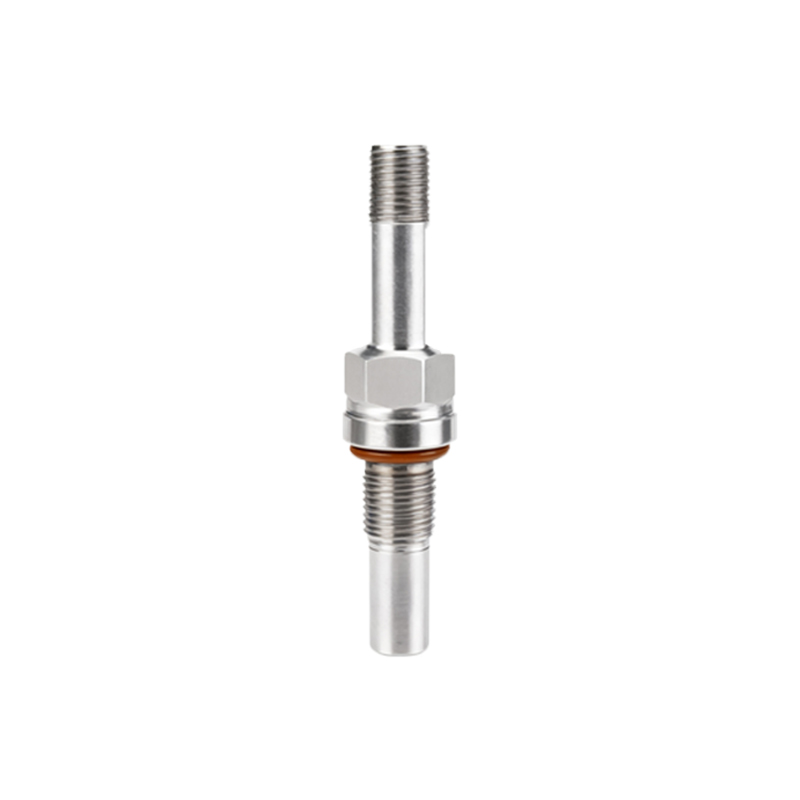
Compact robotic grippers and end-effectors.

Tight spaces within packaging machinery, semiconductor equipment, and assembly lines.
Mobile applications on automated guided vehicles (AGVs) or collaborative robots where weight and size matter.
Applications where multiple sensors must be mounted in a cluster on a single fixture.
The decision to select a short-body sensor should be based on a clear evaluation of the mechanical installation constraints versus the electrical and environmental requirements. When space is the dominant limiting factor, and the installation process can accommodate their compact connection area, short-body proximity sensors represent an optimal, high-performance solution. They are not a universal replacement for all standard sensors but a powerful tool in the engineer's arsenal, enabling innovation in machine design where every millimeter counts. Consulting specific manufacturer datasheets for precise dimensional drawings, sensing curves, and environmental specifications remains the final, crucial step in the selection process.