The manufacturing of proximity sensors, critical components in modern automation and safety systems, is a sophisticated process that blends precision engineering, advanced materials science, and rigorous quality control. This article delves into the detailed production stages, from initial design to final testing, highlighting industry best practices and technological advancements.
The journey begins with the Design and Prototyping Phase. Engineers utilize CAD software to create detailed schematics, considering factors like sensing range, environmental resistance, and output type (e.g., inductive, capacitive, or photoelectric). Prototypes are developed to validate electrical and mechanical performance under simulated conditions. Material selection is crucial here; housings are typically made from durable plastics like PBT or metals such as stainless steel for industrial robustness, while internal components require high-grade semiconductors and coils.
Next, the PCB Assembly and Component Integration stage takes center stage. Automated surface-mount technology (SMT) lines populate printed circuit boards with microcontrollers, oscillators, and signal conditioning circuits. For inductive sensors, a wound coil is precisely attached to detect metallic objects via electromagnetic fields. Capacitive sensors integrate electrode plates to sense non-metallic materials. Each sub-assembly undergoes automated optical inspection (AOI) to detect soldering defects or misalignments.
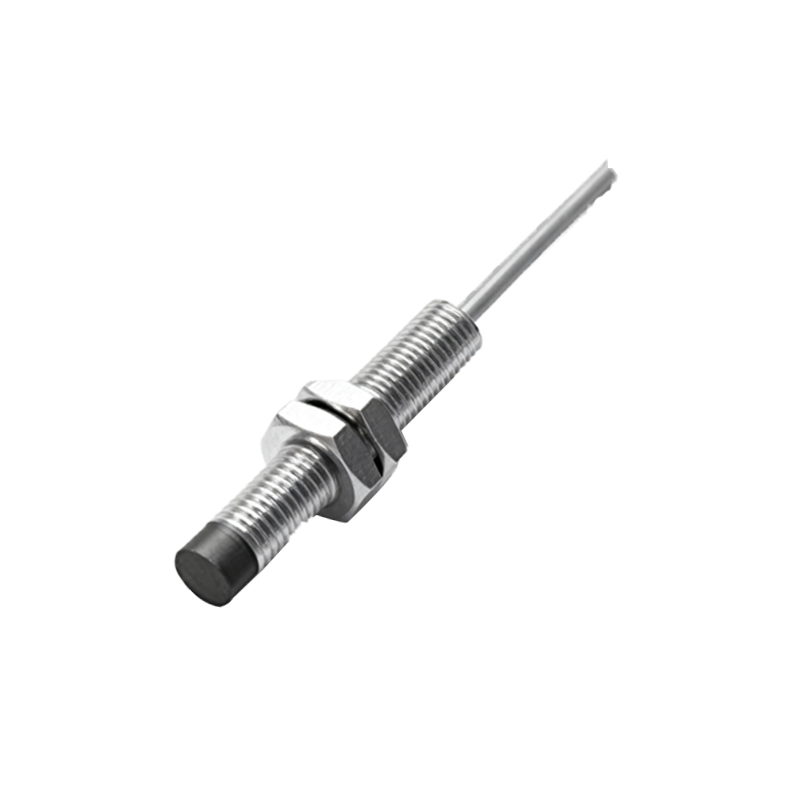
The Encapsulation and Housing Assembly process ensures sensor durability. Components are potted with epoxy resins to protect against moisture, vibration, and chemical exposure. The housing is then ultrasonically welded or sealed with gaskets to achieve IP67 or higher ingress protection ratings. This step is vital for sensors deployed in harsh environments like manufacturing floors or outdoor applications.
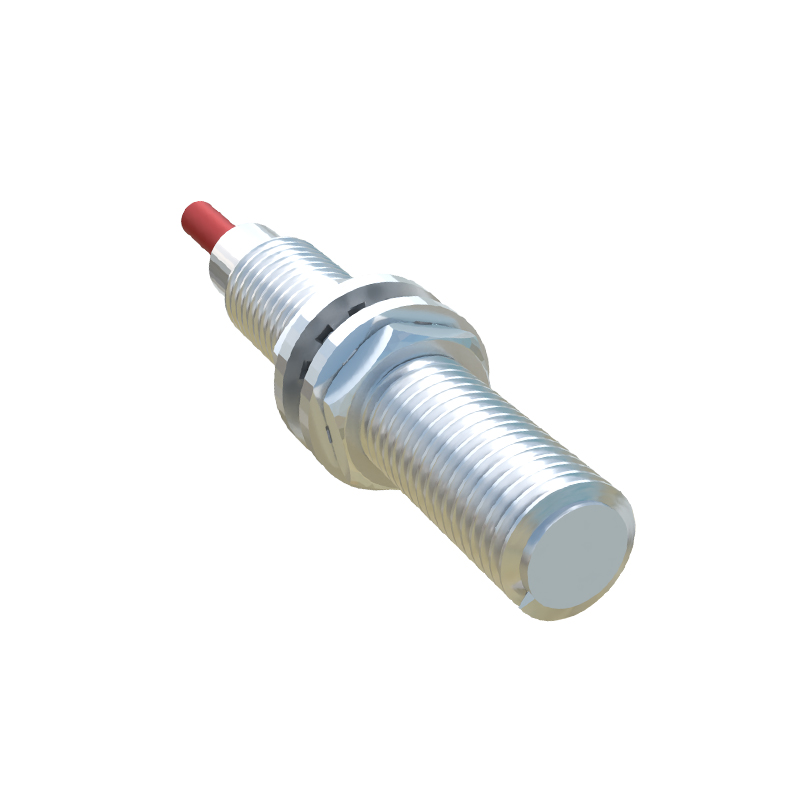
Calibration and Programming follow, where sensors are tuned to specific sensing distances and response times. Using laser-guided fixtures, technicians adjust potentiometers or flash firmware to set parameters like hysteresis and output logic. This customization allows one sensor model to serve diverse applications, from object detection on conveyor belts to position feedback in robotics.
Quality Assurance and Testing is the most rigorous phase. Each unit undergoes a battery of tests: electrical checks for output signal accuracy, environmental tests involving temperature cycling (-25°C to 70°C) and humidity exposure, and mechanical tests for shock and vibration resistance. Sampling-based life cycle tests simulate millions of operations to ensure longevity. Data from these tests are logged for traceability, aligning with ISO 9001 standards.
Finally, Packaging and Logistics involve anti-static packaging to prevent ESD damage during transit. Labels with technical specifications and QR codes for supply chain tracking are applied. The entire production flow is supported by lean manufacturing principles and IoT-enabled monitoring to minimize waste and optimize efficiency.
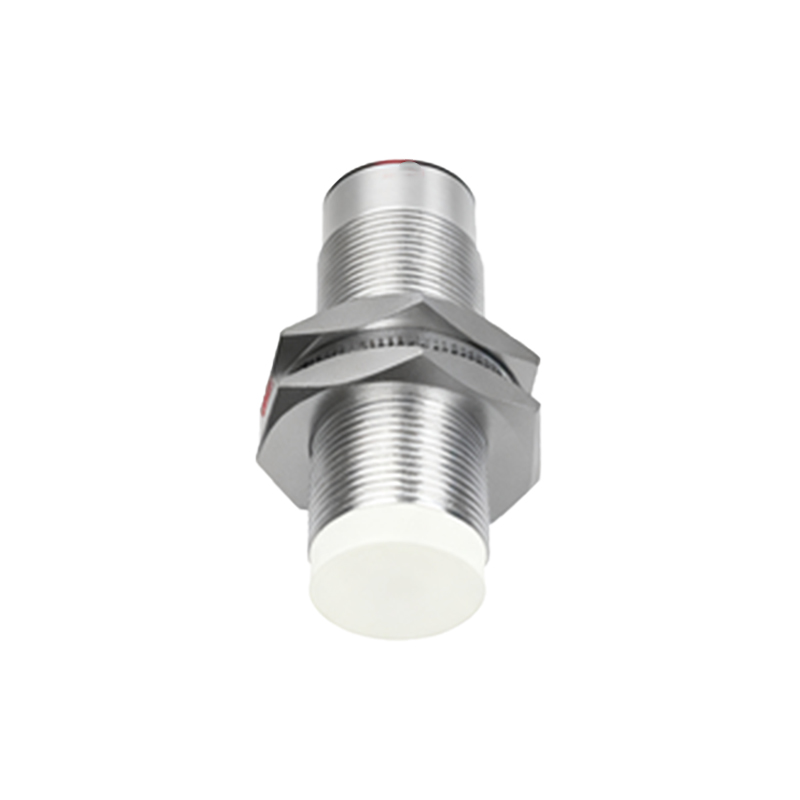
Innovations like MEMS technology and Industry 4.0 integration are reshaping production, enabling smarter sensors with self-diagnostic capabilities. As demand grows for IoT and automotive applications, manufacturers continue to refine processes to enhance reliability and reduce costs, ensuring proximity sensors remain indispensable in automation ecosystems.