In the rapidly evolving landscape of industrial automation, the demand for compact, reliable, and high-precision sensing solutions has never been greater. Among the myriad of sensor technologies available, micro rectangular proximity sensors have emerged as a critical component in countless applications, from precision assembly lines and robotic guidance systems to packaging machinery and automotive manufacturing. These sensors, characterized by their small, rectangular form factor, offer a unique blend of performance attributes that make them indispensable in space-constrained environments where traditional sensors simply cannot fit or perform adequately.
The fundamental operating principle of most micro rectangular proximity sensors is based on electromagnetic or capacitive sensing. Inductive variants, the most common, generate an oscillating electromagnetic field. When a metallic target object enters this field, eddy currents are induced within the target, causing a change in the oscillation amplitude. The sensor's internal circuitry detects this change and triggers a switching signal. This non-contact method of detection is key to their reliability, as it eliminates mechanical wear and tear associated with physical contact switches. Capacitive models operate similarly but respond to both metallic and non-metallic materials by detecting changes in capacitance, making them versatile for applications involving liquids, plastics, or other materials.
One of the most compelling advantages of the micro rectangular design is its exceptional space efficiency. Engineers are constantly challenged to integrate more functionality into smaller footprints. The slim, rectangular housing of these sensors allows for installation in tight cavities, alongside other components, or in multi-sensor arrays where precise positional sensing is required. This form factor often includes standardized mounting options, such as threaded barrels or bracket mounts, facilitating easy integration into existing machine designs. Despite their miniature size, modern micro rectangular sensors do not compromise on sensing range or performance. Advanced designs offer sensing distances that are remarkably proportional to their face size, with some models capable of detecting small metallic objects from several millimeters away.
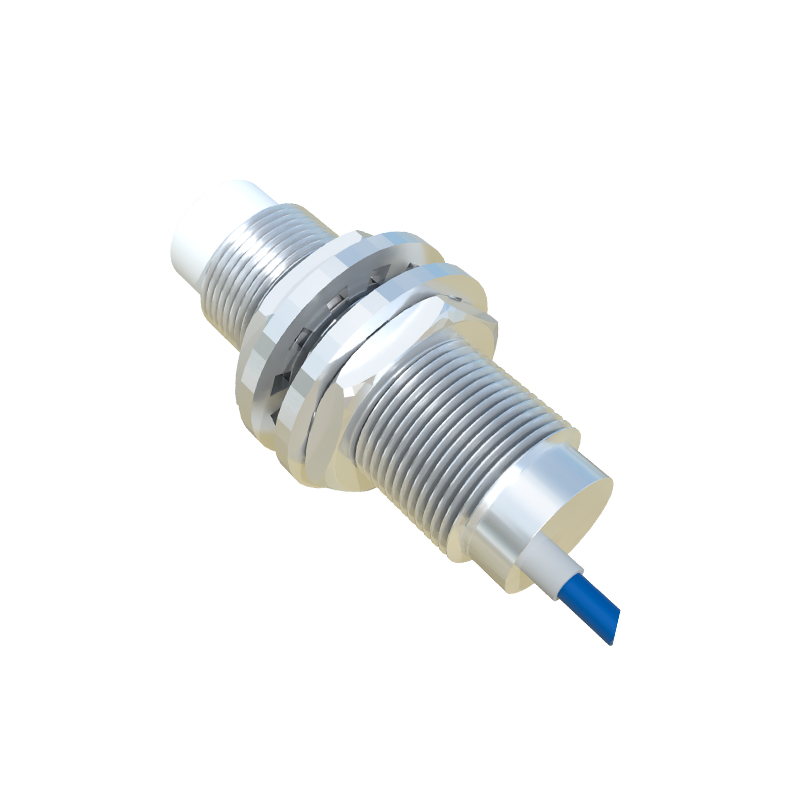
Performance specifications are paramount in selection. Key parameters include the sensing distance, often denoted as Sn, which must be carefully considered alongside factors like temperature tolerance, switching frequency, and output type (e.g., PNP, NPN, analog, or IO-Link). The housing material, typically nickel-plated brass, stainless steel, or high-grade PBT plastic, is chosen for its resilience against coolant, oil, metal chips, and other harsh industrial contaminants. Many models feature built-in protection against short-circuit, overload, and reverse polarity, ensuring longevity and reducing machine downtime. The integration of IO-Link communication in advanced micro sensors represents a significant leap forward, enabling not just binary on/off signals but also the transmission of detailed process data, parameterization on-the-fly, and advanced diagnostic information for predictive maintenance strategies.
Application scenarios are diverse. In electronics manufacturing, these sensors verify the presence of tiny surface-mount components on PCBs. In robotic cells, they provide end-of-arm tooling confirmation or precise positioning feedback for grippers. Within automated packaging lines, they count products, detect fill levels, or confirm label application. The automotive industry relies on them for critical sequencing in engine assembly and part verification. Their robustness allows them to operate reliably in environments with significant vibration, shock, and electromagnetic interference.
When implementing micro rectangular proximity sensors, proper installation and alignment are crucial for optimal performance. Engineers must account for the sensor's inherent blind zone, ensure the target approaches the correct sensing face, and consider the influence of surrounding metals. Mounting the sensor in a non-flush manner can sometimes increase the effective sensing range. Regular maintenance, though minimal, involves keeping the sensing face clean from debris and verifying electrical connections.
Looking ahead, the trend is toward even smaller, smarter, and more interconnected devices. The convergence of miniaturization, enhanced sensing algorithms, and industrial IoT capabilities will further solidify the role of the micro rectangular proximity sensor as a fundamental building block in the smart factories of the future. Their ability to deliver precise, reliable data from the most confined spaces makes them not just a tool for automation, but a key enabler of efficiency, quality control, and operational intelligence across the manufacturing spectrum.