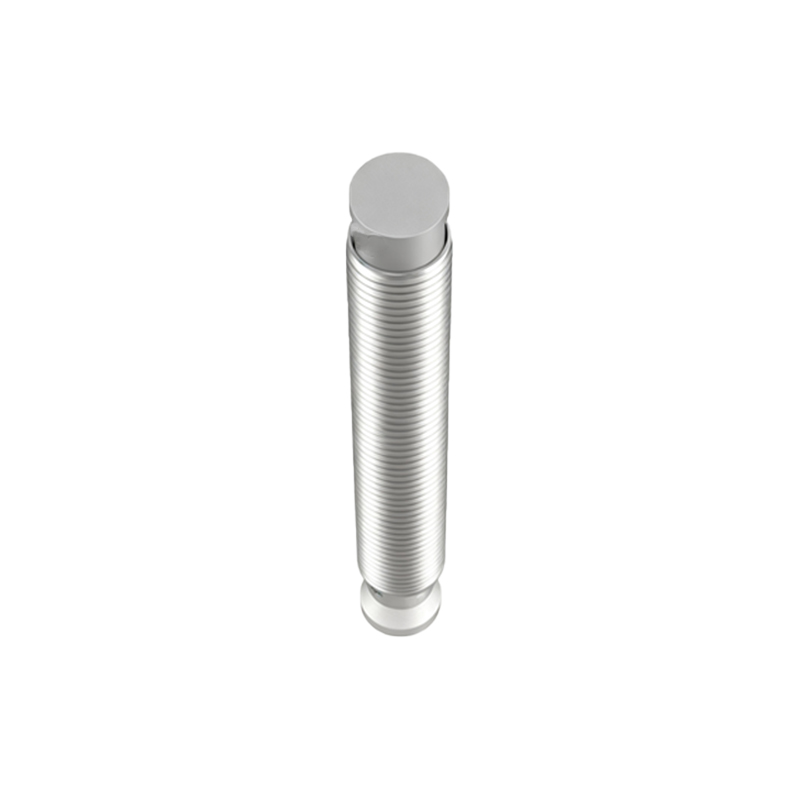
In the realm of industrial automation and electrical systems, proximity sensor telephones represent a critical integration of sensing technology and communication infrastructure. These devices are designed to detect the presence or absence of objects within a specified range without physical contact, while simultaneously enabling telephonic communication for operational control and safety alerts. Proximity sensors, including inductive, capacitive, and photoelectric types, are widely utilized in manufacturing, robotics, and automotive applications due to their reliability and non-invasive nature. When combined with telephone systems, they facilitate real-time monitoring and remote management, enhancing efficiency and reducing downtime in complex electrical environments.
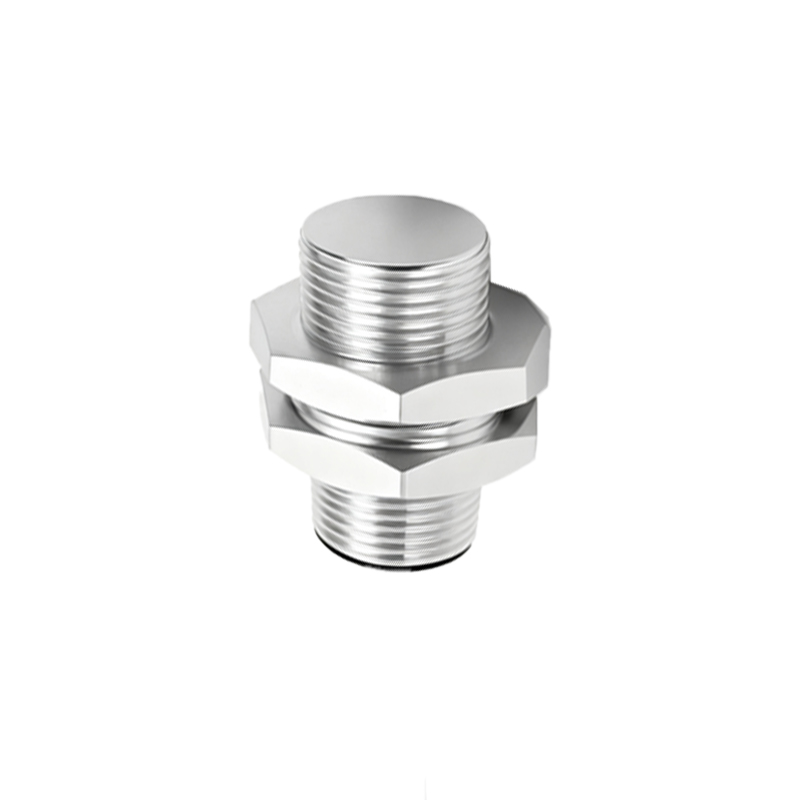
The core functionality of a proximity sensor telephone lies in its ability to convert detected signals into actionable data. For instance, an inductive proximity sensor can identify metallic objects by generating an electromagnetic field, triggering a response when an object enters its field. This response is then transmitted via the telephone interface to a control unit or operator, allowing for immediate adjustments or interventions. In hazardous settings, such as high-voltage areas or chemical plants, this integration ensures that personnel can receive instant notifications about equipment status or potential failures, thereby minimizing risks and maintaining safety protocols.
From an engineering perspective, the design of these systems requires careful consideration of factors like sensor sensitivity, communication latency, and power consumption. Modern proximity sensor telephones often incorporate digital signal processing (DSP) and Internet of Things (IoT) capabilities, enabling seamless connectivity with broader industrial networks. This advancement supports predictive maintenance, where sensor data is analyzed to forecast equipment wear and prevent unexpected breakdowns. Additionally, the use of standardized protocols, such as Modbus or PROFINET, ensures compatibility with existing electrical infrastructures, making upgrades cost-effective and scalable.
In practice, installation and calibration are crucial for optimal performance. Engineers must account for environmental conditions—like temperature fluctuations, electromagnetic interference, and material composition—that could affect sensor accuracy. Regular testing and calibration, using tools like oscilloscopes and multimeters, help maintain precision. Moreover, the telephone component typically includes features like noise cancellation and secure encryption to protect communication integrity in noisy industrial settings. Case studies from sectors like automotive assembly lines demonstrate how proximity sensor telephones have reduced error rates by 30% and improved response times by 50%, showcasing their tangible benefits.
Looking ahead, trends in smart manufacturing and Industry 4.0 are driving innovations in this field. Future iterations may incorporate artificial intelligence (AI) for adaptive sensing and 5G technology for ultra-low latency communication. As electrical systems become more interconnected, proximity sensor telephones will likely evolve into multifunctional nodes within larger automation ecosystems, supporting autonomous operations and data-driven decision-making. For engineers, staying abreast of these developments is essential to leveraging their full potential in enhancing productivity and safety.
In summary, proximity sensor telephones are a vital tool in modern electrical engineering, bridging the gap between detection and communication. Their application spans diverse industries, offering robust solutions for real-time monitoring and control. By understanding their principles, design considerations, and emerging trends, professionals can effectively implement these systems to optimize industrial processes and foster innovation.