In the realm of industrial automation and electronic control, reliable non-contact sensing is paramount. Among the various technologies available, proximity switches based on Hall Effect sensors have carved out a significant niche due to their robustness, longevity, and precision. Unlike inductive or capacitive proximity sensors, Hall Effect sensors detect the presence of a magnetic field, making them uniquely suited for applications involving permanent magnets or electromagnets. This article delves into the operational principles, key advantages, common applications, and critical selection criteria for Hall Effect proximity switches.
The fundamental principle behind a Hall Effect sensor is straightforward. When a current-carrying conductor is placed in a perpendicular magnetic field, a voltage difference, known as the Hall voltage, is generated across the conductor. This phenomenon, discovered by Edwin Hall in 1879, is leveraged in modern integrated circuit (IC) sensors. A Hall Effect proximity switch typically consists of this sensing IC, a voltage regulator, signal conditioning circuitry, and an output stage (open-collector NPN/PNP transistor, push-pull, or analog). When a predefined magnetic flux density threshold from a target magnet is reached, the sensor's output state switches, signaling the presence or absence of the target.
The advantages of using Hall Effect sensors for proximity sensing are numerous. Firstly, they are true solid-state devices with no moving parts, leading to exceptionally high reliability and virtually infinite operational life in terms of switching cycles. They are immune to environmental contaminants such as dust, oil, and moisture, provided the housing is appropriately sealed (common IP67 ratings). Their operation is not affected by non-ferrous materials, allowing them to function through non-magnetic barriers like aluminum, plastic, or stainless steel housings. Furthermore, they offer high switching frequency capabilities, often in the kilohertz range, suitable for high-speed counting or RPM measurement. They provide precise, repeatable switching points with minimal hysteresis.
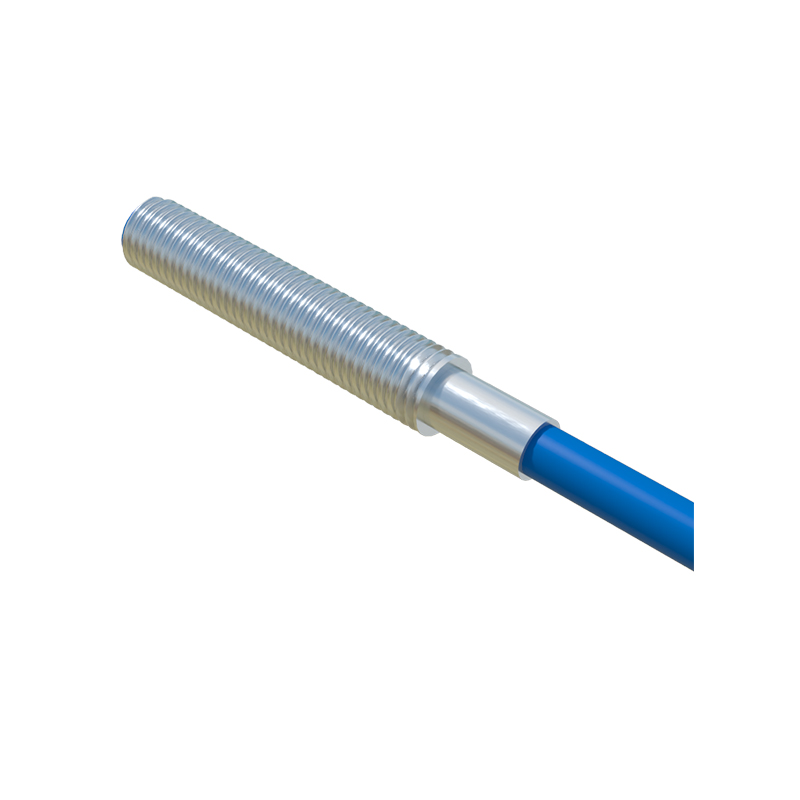
These characteristics make Hall Effect proximity switches indispensable across various industries. In automotive systems, they are ubiquitous for sensing gear position, crankshaft/camshaft speed and timing, seat belt buckle status, and brake pedal position. In industrial machinery, they serve as end-of-travel limit switches, spindle position sensors in CNC machines, and part presence detectors on assembly lines. Brushless DC (BLDC) motors rely on Hall sensors for commutation. Consumer electronics use them in laptop lid-open/close detection and smartphone flip covers. They are also critical in harsh environments like agricultural and construction equipment for monitoring hydraulic cylinder position.
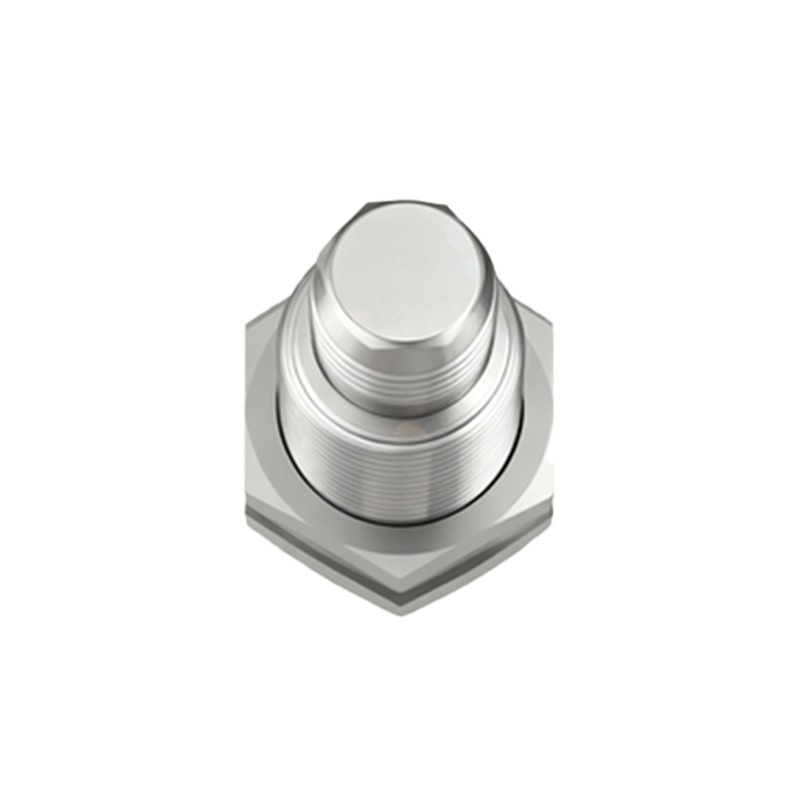
Selecting the right Hall Effect proximity switch requires careful consideration of several parameters. The first is the sensing type: unipolar switches activate in the presence of a south or north pole; bipolar switches respond to alternating magnetic poles; and omnipolar or latch types activate with either pole but behave differently. The operating point (B_op) and release point (B_rp) define the magnetic sensitivity and hysteresis. The electrical requirements—supply voltage range (e.g., 3.5V to 24V DC), output type (sourcing PNP or sinking NPN), and current sinking/sourcing capability—must match the control system. Environmental factors dictate the required housing material (e.g., brass, stainless steel), ingress protection (IP) rating, and temperature range. Finally, the physical form factor (threaded barrel, rectangular block) and mounting style must suit the mechanical design.
Installation and application best practices are crucial for optimal performance. The correct orientation and strength of the trigger magnet relative to the sensor's active face are vital. Using a magnet that is too strong can potentially saturate the sensor or cause unreliable operation. Shielding from stray magnetic fields from motors or solenoids may be necessary. For long-distance wiring in electrically noisy industrial environments, using shielded cables and proper grounding is recommended to prevent false triggering.
In conclusion, Hall Effect proximity switches offer a unique and highly effective solution for magnetic field-based position and presence detection. Their solid-state nature, environmental resilience, and high-speed capability make them a preferred choice for designers and engineers in demanding applications. By understanding their operating principles and carefully matching sensor specifications to the application requirements, one can ensure a reliable, maintenance-free sensing solution that enhances system performance and longevity. As magnetic materials and IC technology continue to advance, the performance and integration levels of these sensors will only improve, further expanding their role in the smart systems of tomorrow.