In the realm of industrial automation, the reliable detection of objects without physical contact is paramount. This critical function is fulfilled by proximity sensors, and their effective operation is often managed through a dedicated component: the proximity switch sensor control box. This enclosure is far more than a simple protective shell; it is a sophisticated hub that integrates power management, signal conditioning, and interface connectivity, ensuring the sensor system operates with precision, stability, and resilience in demanding environments.
The core purpose of a proximity switch sensor control box is to serve as the central processing and distribution point for one or multiple proximity sensors. Inductive, capacitive, and photoelectric proximity sensors generate raw electrical signals upon detecting a target. The control box receives these signals, conditions them—often by amplifying, filtering, or converting them—and provides a clean, standardized output signal, typically in the form of a relay contact closure or a solid-state transistor output (PNP/NPN). This standardized signal is then reliably transmitted to the main Programmable Logic Controller (PLC), motor starter, or other control system devices. By centralizing this function, the control box simplifies wiring, reduces electrical noise interference on signal lines, and enhances overall system diagnostics and maintenance.
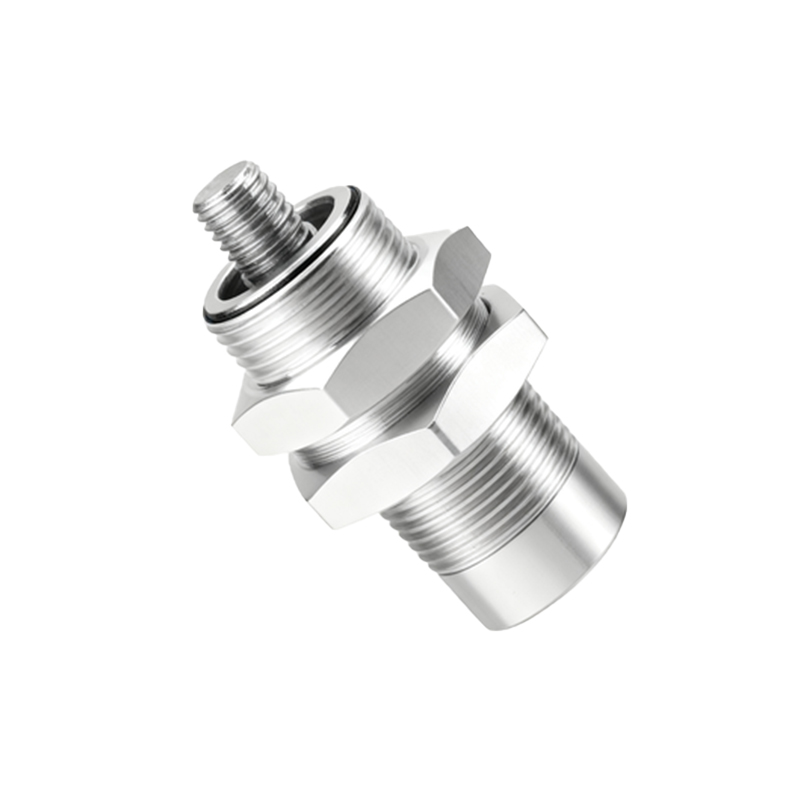
Design and construction of these control boxes adhere to rigorous industrial standards. The enclosure itself is usually crafted from robust materials like polycarbonate, stainless steel, or coated aluminum, providing protection against dust, moisture, oils, and mechanical impact, often rated to IP67 or higher. Internally, the layout is meticulously planned. Key components include a power supply unit, often accepting a wide range of AC or DC input voltages (e.g., 24VDC, 120VAC, 240VAC) and converting it to the stable low-voltage DC required by the sensors and internal circuitry. Terminal blocks, clearly labeled, facilitate easy and secure wiring for power input, sensor connections, and output signals to the master controller. Status indicators, such as LEDs for power and sensor activation, provide immediate visual feedback for troubleshooting. For systems with multiple sensors, the box may house a multi-channel amplifier or a dedicated logic module that can perform basic functions like AND/OR gating of sensor signals.
The advantages of implementing a dedicated control box are substantial. Firstly, it significantly enhances electrical protection. By housing sensitive electronics in a shielded environment, it guards against voltage spikes, electromagnetic interference (EMI), and radio frequency interference (RFI), which are common in industrial settings with large motors and variable frequency drives. Secondly, it streamlines installation and scalability. Pre-wired connection points and modular designs allow for faster setup and easier addition of new sensors to an existing system. Maintenance becomes more efficient, as technicians can diagnose issues at a single, accessible point rather than tracing wires across a machine. Furthermore, many advanced control boxes offer features like adjustable sensing ranges, time delays (on-delay, off-delay), and output pulse stretching, adding a layer of programmable logic directly at the sensor level.
Application scenarios for proximity sensor control boxes are vast and varied across industries. In automotive manufacturing, they are ubiquitous on assembly lines, controlling robotic arms that weld or install parts based on the precise position of a vehicle chassis. In material handling and packaging, these boxes manage arrays of sensors that detect product presence on conveyors, control sorting gates, and ensure accurate filling levels. Within the food and beverage sector, stainless-steel hygienic versions ensure reliable operation while withstanding frequent washdowns. They are also critical in metalworking for tool positioning on CNC machines and in automated storage and retrieval systems (AS/RS) for pallet detection.
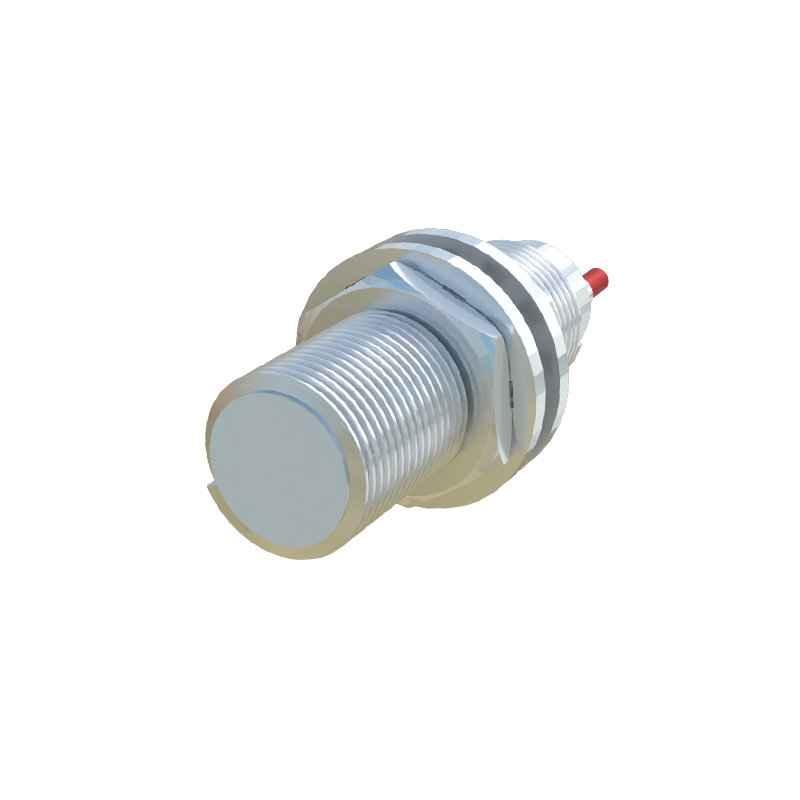
Selecting the right proximity switch sensor control box requires careful consideration of several factors. The environmental rating (IP, NEMA) must match the operational conditions. The input voltage must be compatible with the plant's electrical system, and the output type (relay, solid-state) must interface correctly with the receiving controller. The number of sensor channels needed, both immediately and for potential future expansion, is a key determinant. Finally, features like diagnostic capabilities, communication protocols (e.g., IO-Link for advanced data exchange), and physical mounting options should align with the specific application's complexity and maintenance philosophy.
In conclusion, the proximity switch sensor control box is an indispensable element in modern industrial control systems. It transforms the basic detection capability of a proximity sensor into a robust, intelligent, and easily integrated component. By providing protection, signal integrity, and enhanced functionality, it ensures that automated processes run smoothly, safely, and with maximum uptime. For engineers and system integrators, a thorough understanding of its design and application is essential for building reliable and efficient automation solutions.