In the fast-paced world of industrial automation and machinery, the reliability of components is non-negotiable. Among these critical components, proximity sensors stand as silent sentinels, enabling non-contact detection of objects, ensuring safety, precision, and efficiency in countless applications. From automotive assembly lines to food packaging plants, the choice of a proximity sensor supplier is not merely a procurement decision; it is a strategic investment in operational continuity and product quality. For engineers, plant managers, and procurement specialists, navigating the marketplace of suppliers requires a methodical approach grounded in technical and commercial due diligence.
The first and most critical step is defining your application requirements with absolute clarity. Proximity sensors are not a one-size-fits-all solution. You must specify the sensing technology: inductive sensors for detecting metals, capacitive sensors for non-metals and liquids, or ultrasonic and photoelectric sensors for longer ranges. The required sensing distance, environmental factors (such as temperature extremes, washdown conditions, or exposure to oils and coolants), housing material (e.g., stainless steel for corrosive environments), and output type (PNP/NPN, analog, IO-Link) form the foundational specification sheet. A reputable supplier will not just sell you a product; their technical sales team will engage in a detailed consultation to understand these parameters, potentially saving you from costly mismatches and downtime.
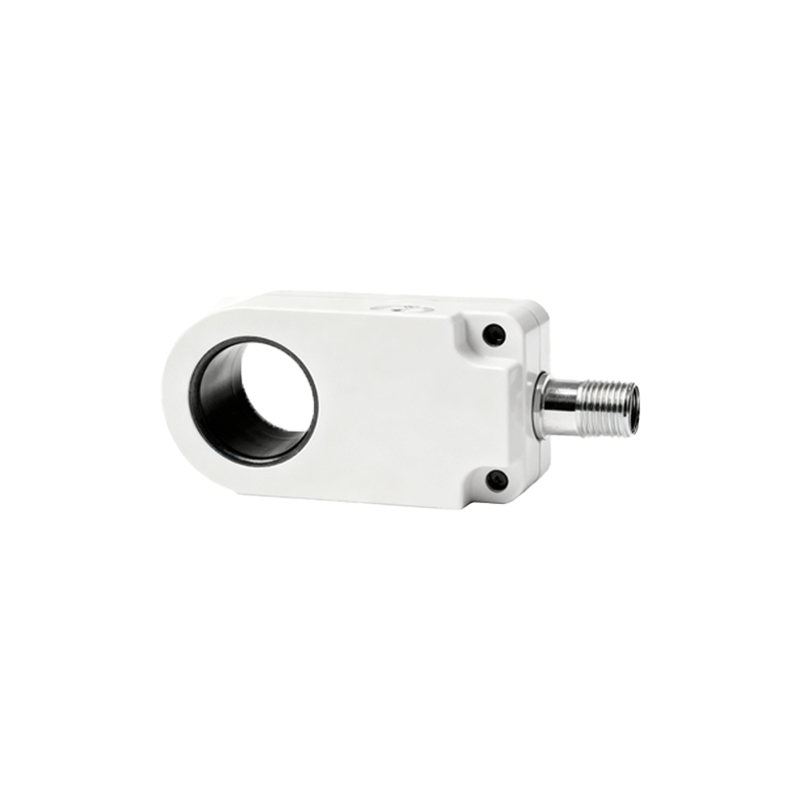
Once specifications are locked, evaluating the supplier's core competencies becomes paramount. Product Range and Technical Depth: A leading supplier should offer a comprehensive portfolio from standard cylindrical sensors to sophisticated multi-functional devices. This breadth indicates their ability to serve diverse needs and suggests robust R&D capabilities. Inquire about customization options for unique challenges. Quality and Certifications: Insist on evidence of quality management systems like ISO 9001. Certifications for specific industries (e.g., ATEX for hazardous areas, FDA-compliant materials for food and beverage) are non-negotiable for relevant applications. The supplier should be transparent about their manufacturing standards and testing protocols.
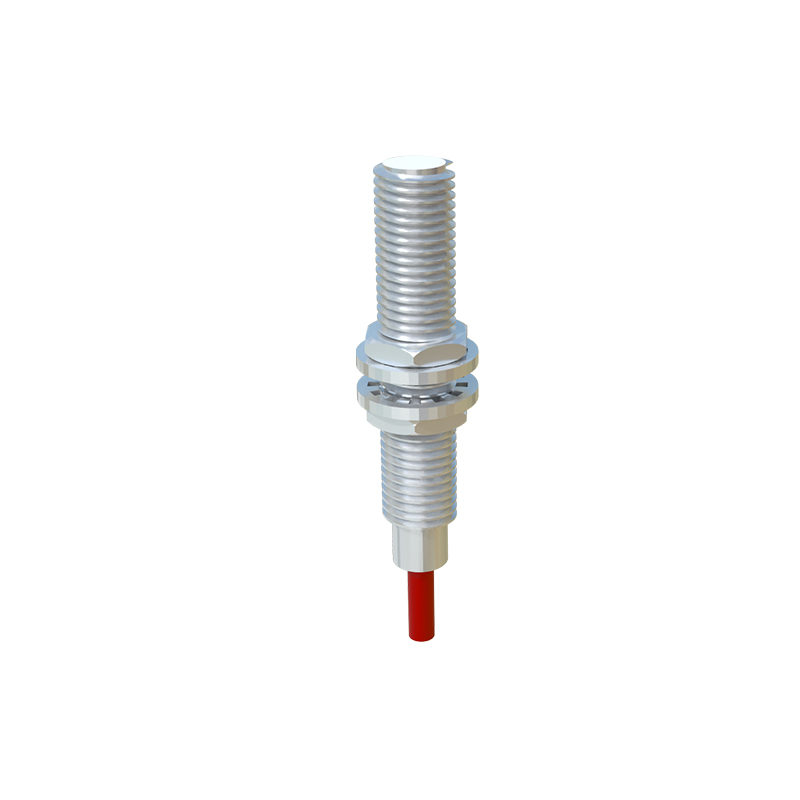
Technical Support and Documentation: The relationship begins at purchase but is tested during integration and troubleshooting. Assess the quality and accessibility of technical documentation—datasheets, CAD models, and installation manuals should be precise and readily available. A supplier with a strong engineering support team, capable of providing application-specific advice, is invaluable. Consider their willingness to provide samples for testing, a practice that demonstrates confidence in their products.
Supply Chain Reliability and Logistics: In today's global landscape, supply chain resilience is crucial. Investigate the supplier's manufacturing footprint, inventory management, and lead times for both standard and custom products. A supplier with a global network of distribution centers can ensure faster delivery and local support. Consistency in supply prevents production line stoppages, making logistical capability a key differentiator.
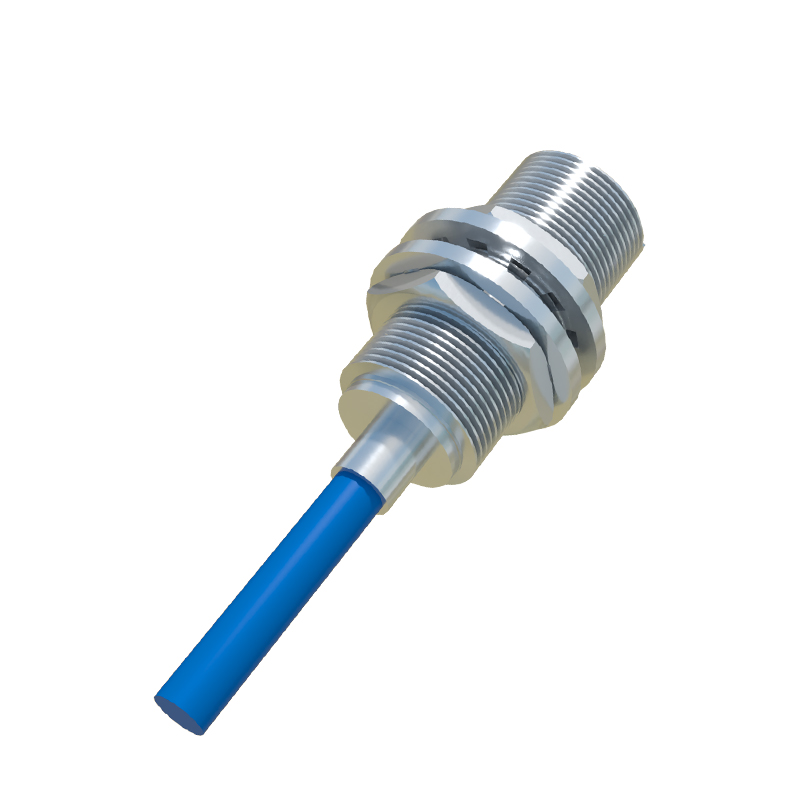
Commercial Terms and Value-Added Services: While unit price is a factor, the total cost of ownership (TCO) is the true metric. This includes longevity, failure rates, and energy efficiency. Evaluate the supplier's warranty terms and their policy on returns or replacements. Some suppliers offer value through training programs, lifecycle management services, or seamless integration with PLC and control system partners, providing a holistic solution beyond the component itself.
Finally, consider the supplier's reputation and industry standing. Seek out case studies or testimonials from companies in your sector. Participation in major industry trade shows and a history of innovation are positive indicators. The ideal supplier acts as a strategic partner, contributing not just parts but also expertise to help optimize your processes.
In conclusion, selecting a proximity sensor supplier demands a balance of technical scrutiny and strategic partnership assessment. By rigorously evaluating requirements, product quality, support ecosystems, and supply chain strength, procurement professionals can secure a partnership that delivers not just sensors, but reliability, innovation, and long-term operational peace of mind. The right choice ensures that these unseen components perform flawlessly, forming the reliable backbone of automated systems.