In the world of industrial automation and smart devices, a small component plays an outsized role in enabling efficiency, safety, and precision: the proximity switch sensor. Often unseen, these devices are the silent sentinels that detect the presence or absence of an object without any physical contact. Their operation is fundamental to countless processes, from assembly lines to consumer electronics.
At its core, a proximity sensor works by emitting an electromagnetic field or a beam of radiation, such as infrared light. It then looks for changes in the field or the return signal. When a target object enters this field, it causes a detectable change—a shift in oscillation, a reflection of light, or an eddy current loss. The sensor's circuitry detects this change and converts it into an electrical output signal, typically to switch a circuit on or off. This non-contact detection offers significant advantages, including no mechanical wear, high reliability, fast response times, and the ability to function in harsh environments where dirt, oil, or moisture would hinder physical switches.
Several primary technologies dominate the proximity sensor landscape, each with distinct operating principles and ideal use cases.
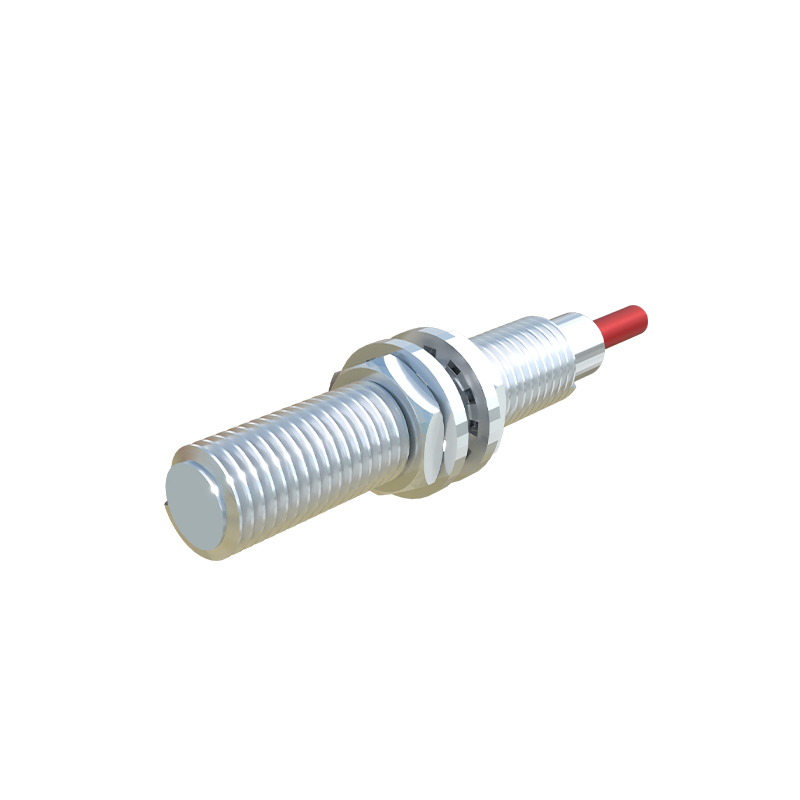
Inductive proximity sensors are perhaps the most common in industrial settings. They generate an oscillating electromagnetic field. When a metallic object—ferrous or non-ferrous—enters this field, it induces eddy currents within the metal, causing a measurable energy loss in the sensor's oscillator. This loss triggers the output switch. These sensors are excellent for detecting metals only and are highly robust, making them perfect for machine automation, position sensing of metal parts, and revolution counting.
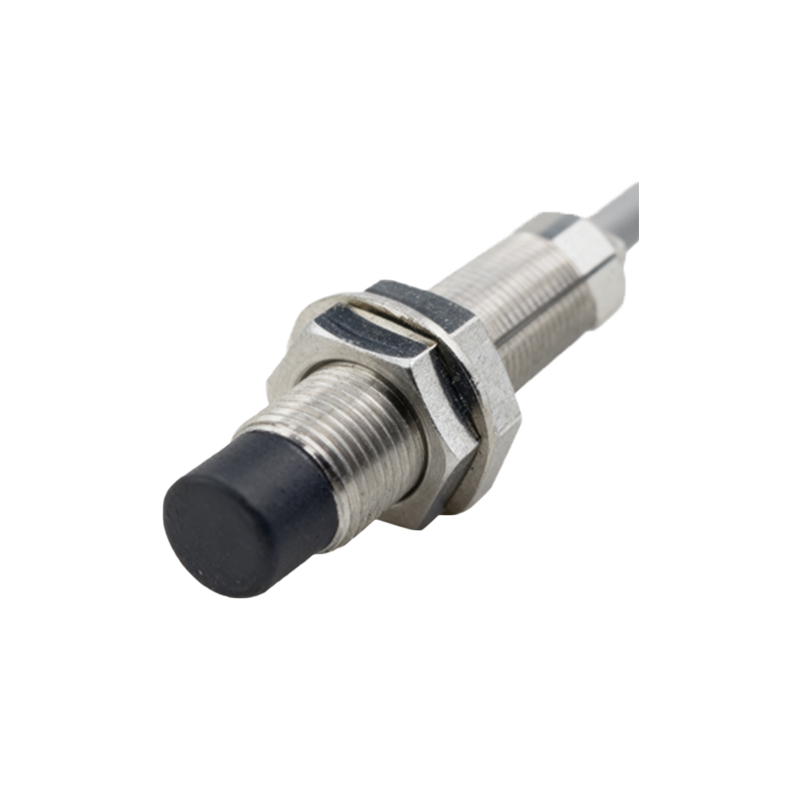
Capacitive proximity sensors can detect both metallic and non-metallic materials, including liquids, powders, plastics, and wood. They function by generating an electrostatic field. Any object that enters this field alters the capacitance of the sensor's circuit, prompting a state change. This versatility makes them indispensable in industries like food and beverage (for level detection of liquids or granules), packaging, and woodworking.
Ultrasonic proximity sensors use sound waves beyond the range of human hearing. They emit high-frequency ultrasonic pulses and measure the time it takes for the echo to return from a target object. By calculating this time-of-flight, they can determine not just presence but also distance. These sensors are effective for detecting objects of virtually any material, shape, or color, and are commonly used in level monitoring in tanks, collision avoidance in vehicles, and pallet detection in logistics.
Photoelectric sensors, or photo-eyes, operate on light beams, usually infrared, visible red, or laser. They consist of an emitter and a receiver. The three main modes are through-beam (separate emitter and receiver), retro-reflective (bounces light off a reflector), and diffuse (reflects light directly off the target). They offer very long sensing ranges and can detect tiny objects. Applications are vast, ranging from object counting on conveyors and break detection in production webs to security systems and automatic doors.
The selection of the right proximity switch is critical for system performance. Key parameters to consider include sensing distance (the nominal operating range), the target material (metal, plastic, liquid), the output type (PNP/NPN transistor, relay, analog), environmental factors (temperature, pressure, potential washdown), housing style (cylindrical, rectangular), and electrical requirements (voltage, current). For instance, an inductive sensor is the wrong choice for detecting a glass bottle, just as a diffuse photoelectric sensor may struggle with a shiny, reflective target.
Looking ahead, the integration of proximity sensors with Industrial Internet of Things (IIoT) platforms is a growing trend. Modern "smart sensors" come with IO-Link or other communication protocols, enabling not just simple switching but also the transmission of diagnostic data, parameter setting, and process values like precise distance measurements. This connectivity facilitates predictive maintenance, where a sensor can report its health status before a failure occurs, minimizing downtime.
From the hum of a factory floor to the convenience of a touchless faucet, proximity switch sensors are embedded in the fabric of modern technology. Their ability to provide reliable, non-contact detection makes them a cornerstone of automation, driving productivity, enhancing safety, and enabling smarter interactions between machines and the physical world. Understanding their types, principles, and applications is the first step in harnessing their full potential for any technical project.