In the realm of industrial automation and electrical engineering, proximity switch sensors are indispensable components, providing non-contact detection of metallic and non-metallic objects. Their reliability in harsh environments—characterized by moisture, dust, vibration, and chemical exposure—is paramount. The potting process is a critical manufacturing step that directly determines a sensor's long-term performance and durability. This article delves into the intricacies of the potting process for proximity sensors, outlining materials, methodologies, and best practices.
Potting, or encapsulation, involves filling the sensor housing with a liquid compound that subsequently cures into a solid or gel-like state. The primary objectives are to protect the internal electronic circuitry from environmental stressors, provide mechanical stability, enhance electrical insulation, and dissipate heat. For inductive and capacitive proximity switches, which often operate in close proximity to machinery, effective potting is non-negotiable.
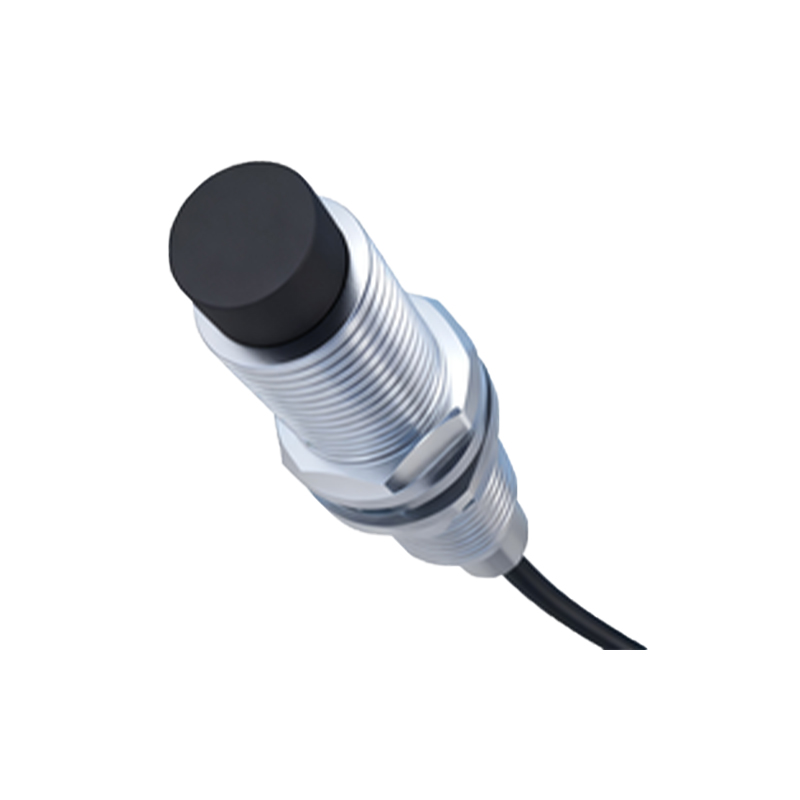
The selection of the potting compound is the first and most crucial decision. Common materials include:
1. Epoxy Resins: Known for excellent adhesion, high mechanical strength, and superior chemical resistance. They form a rigid encapsulation, offering robust protection against physical impact. However, their rigidity can be a drawback in applications with significant thermal cycling, as differences in the coefficient of thermal expansion (CTE) between the epoxy, components, and housing can induce stress and lead to cracking.
2. Polyurethane (PU) Resins: These compounds offer a balance of flexibility and toughness. They exhibit good moisture resistance and dampen vibration more effectively than rigid epoxies. Their lower modulus of elasticity makes them suitable for sensors exposed to thermal shock or mechanical flexing.
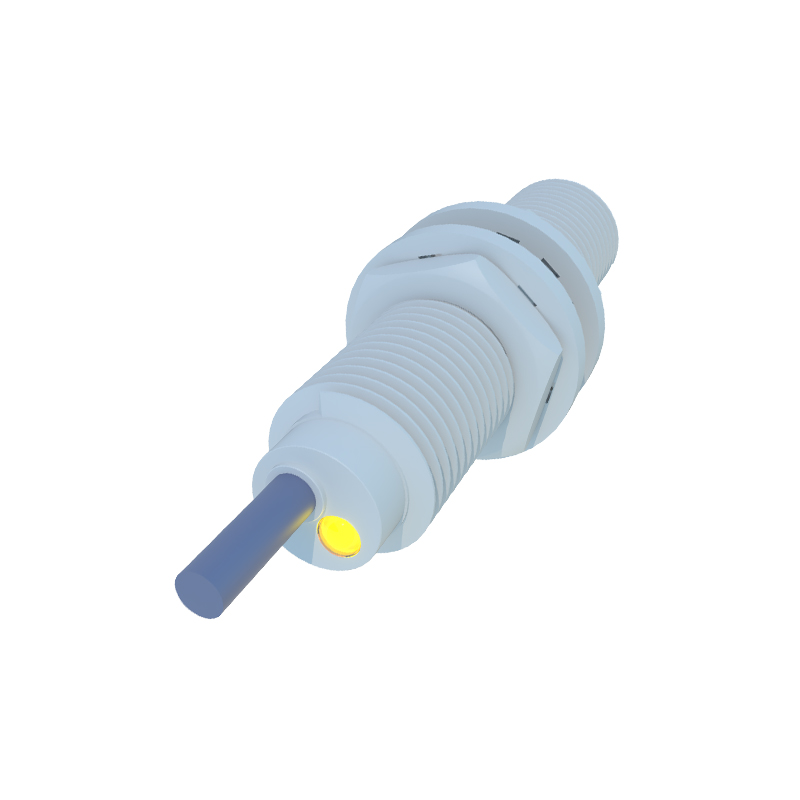
3. Silicone Gels and Elastomers: Silicones provide exceptional flexibility, a wide operating temperature range, and outstanding hydrophobic properties. Silicone gels, in particular, offer a soft, self-healing encapsulation that protects delicate wire bonds and components from stress. They are ideal for high-precision sensors where minimal mechanical stress on internal parts is required.
The potting process must be meticulously controlled. Key steps include:
Preparation: The sensor assembly must be thoroughly cleaned to remove contaminants like dust, oils, and flux residues. Pre-baking may be necessary to eliminate trapped moisture, which can cause voids or delamination during curing.
Mixing and Degassing: Two-part compounds (resin and hardener) require precise, homogeneous mixing. Entrapped air introduced during mixing must be removed via a vacuum degassing process to prevent air bubbles (voids) in the final product. Voids compromise dielectric strength, thermal conductivity, and mechanical integrity.
Dispensing: The mixed compound is dispensed into the sensor housing. Techniques vary from manual pouring for low-volume production to automated metering and mixing (MMD) systems for consistency in high-volume manufacturing. The dispensing must be controlled to avoid trapping air and to ensure complete coverage of all components, particularly the sensing coil and IC.
Curing: This phase transforms the liquid into its final solid state. Curing can occur at room temperature or be accelerated in ovens. The cure profile—time and temperature—must strictly adhere to the manufacturer's specifications. Incomplete curing results in a tacky surface, reduced mechanical properties, and potential outgassing.
Critical considerations for engineers include:
Thermal Management: The potting compound's thermal conductivity must be adequate to transfer heat generated by internal components to the housing and environment. Special fillers like alumina or boron nitride can be added to compounds to enhance this property.
CTE Matching: As mentioned, mismatched CTE between materials can cause failure. Selecting a compound with a CTE close to that of the PCB and housing materials minimizes stress.
Sensing Performance: For inductive sensors, the potting material must not interfere with the electromagnetic field generated by the coil. The compound's dielectric constant and loss factor are relevant parameters. Capacitive sensors require materials with stable dielectric properties.
IP Rating Achievement: Proper potting is essential for achieving high Ingress Protection (IP) ratings like IP67 or IP68, which guarantee protection against dust and temporary or prolonged immersion in water.
In conclusion, the potting of proximity switch sensors is a sophisticated blend of material science and precise process engineering. It is not merely a filling operation but a fundamental step that defines the sensor's operational lifespan and reliability. By carefully selecting the appropriate compound and rigorously controlling the potting process parameters, manufacturers and engineers can ensure these critical components perform flawlessly in the most demanding industrial applications, minimizing downtime and maintenance costs. A well-executed potting process is, therefore, a key investment in quality and long-term system integrity.