Through-beam photoelectric sensors, often referred to as opposed-mode or beam-break sensors, represent one of the most reliable and fundamental sensing technologies in industrial automation. Their operation is elegantly simple yet incredibly robust, making them indispensable for a vast array of applications, from basic object detection to complex safety systems.
At its core, a through-beam sensor consists of two separate, self-contained units: a transmitter (emitter) and a receiver. The transmitter projects a beam of light—typically infrared, visible red, or laser—directly toward the receiver. The receiver is designed to continuously monitor for this specific light signal. When an opaque object passes between the two units, it interrupts the beam. The receiver detects this interruption and triggers an output signal, switching its state to indicate the presence of the object. This "break-to-make" or "make-on-break" operation is exceptionally straightforward.
The primary advantage of this configuration is its exceptional sensing range and reliability. Because the emitter and receiver are separate, the system can achieve very long sensing distances, often exceeding 100 meters for high-powered laser models, with 10-20 meters being common for standard modulated infrared types. More importantly, the through-beam design offers the highest excess gain of any photoelectric sensing mode. Excess gain is a measure of the surplus light energy available at the receiver. This high margin means the sensor can tolerate significant levels of dust, dirt, light interference, or minor misalignment on the lenses without failing to detect an object. It is inherently less susceptible to environmental challenges than reflective or diffuse sensors.
Key performance characteristics define the selection of a through-beam sensor for a given task. Sensing distance is paramount. For long-range detection, laser diodes provide a highly focused, coherent beam. For general-purpose use, modulated LED light sources (usually infrared) are preferred. Modulation involves pulsing the light at a specific high frequency; the receiver is tuned to this frequency, making it immune to ambient light from factory lighting or sunlight, which dramatically enhances stability. Response time is another critical factor. High-speed models can detect objects interrupting the beam in microseconds, making them suitable for counting fast-moving items on conveyor belts or detecting missing components in assembly lines. The output type—PNP, NPN, analog, or relay—must be compatible with the controller (PLC) being used.
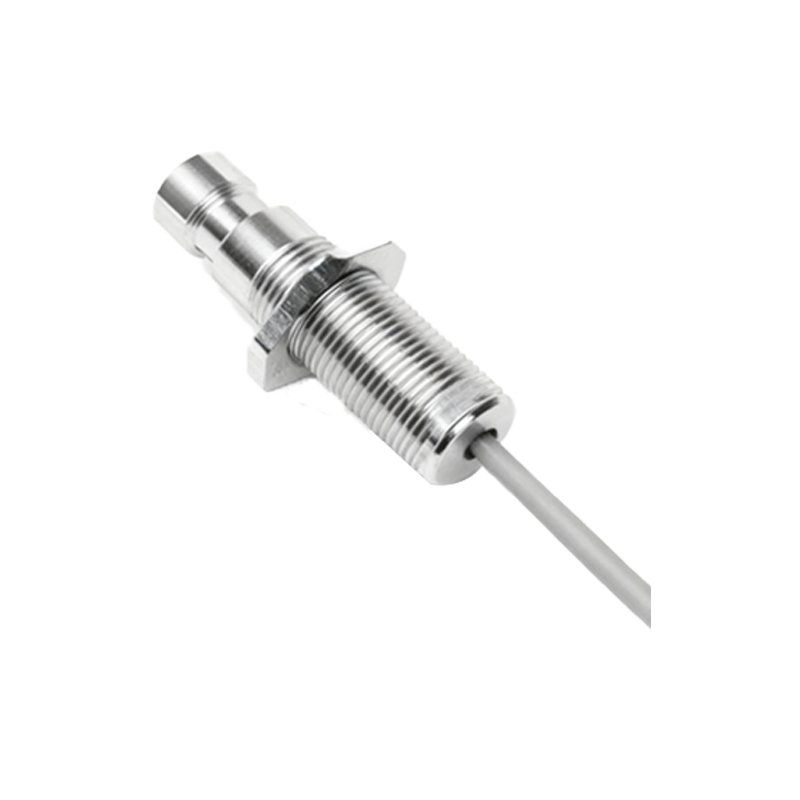
Installation and alignment, while conceptually simple, require careful attention. The emitter and receiver must be precisely aligned so that the beam is centered on the receiver's detection element. Many modern sensors feature alignment indicators, such as LED lights that change color or brightness when optimal alignment is achieved. Rigid, vibration-resistant mounting is essential to maintain this alignment over time in harsh industrial environments. Conduit or cable entries should be oriented to prevent water ingress, and sensors rated with appropriate Ingress Protection (IP) codes (e.g., IP67, IP69K) should be selected for washdown or outdoor areas.
The applications for through-beam photoelectric sensors are virtually limitless in industrial settings. They are the go-to choice for:
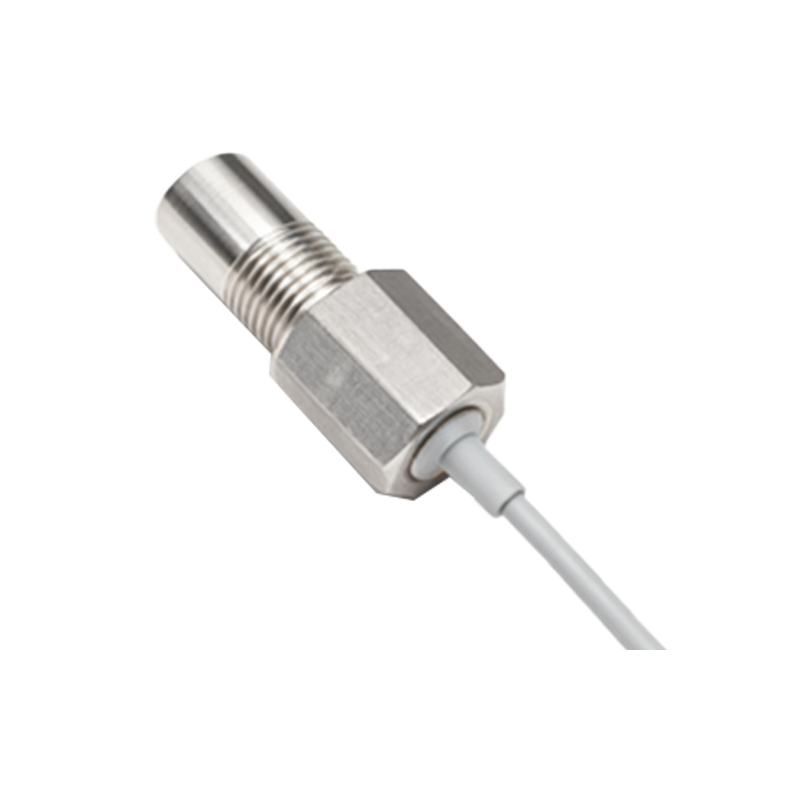
Object Detection & Counting: Detecting boxes, bottles, or parts on high-speed conveyors.
Web Break Detection: Monitoring continuous material like paper, plastic, or metal foil for tears or breaks.
Safety Light Curtains: Creating an array of infrared beams to guard hazardous machine perimeters, stopping equipment when a beam is broken.
Dimensional Gauging: Using multiple beams to check the height or width of products.
Position Verification: Confirming the presence of a part in a robotic work cell or a pallet at a specific station.
Door & Gate Monitoring: Controlling access or signaling the open/closed status of large doors.
When compared to other photoelectric modes, the strengths of the through-beam become clear. Retro-reflective sensors use a single unit and a reflector, but their range and excess gain are lower, and they can be fooled by shiny objects. Diffuse (proximity) sensors have the emitter and receiver in one housing and detect light reflected directly off the target, but their sensing range is shortest and they are highly sensitive to the target's color, texture, and reflectivity. The through-beam sensor's main drawback is the need to install and wire two separate devices, which can increase initial cost and complexity, especially over very long distances. However, for applications demanding maximum range, reliability, and environmental immunity, this trade-off is almost always justified.
In conclusion, through-beam photoelectric sensors are a cornerstone of industrial sensing. Their simple beam-break principle delivers unmatched performance in terms of range, signal strength, and environmental robustness. For engineers and system integrators, understanding their operating characteristics, proper installation practices, and ideal application scenarios is crucial