In the rapidly evolving landscape of smartphone technology, mobile laser scanning sensors have emerged as a pivotal innovation, transforming how devices perceive and interact with the physical world. These sensors, often integrated into high-end smartphones, utilize laser beams to measure distances and create precise three-dimensional maps of objects and environments. Unlike traditional camera-based systems that rely on ambient light, laser scanners operate by emitting infrared laser pulses and calculating the time it takes for the light to reflect back to the sensor. This method, known as Time-of-Flight (ToF), enables millimeter-level accuracy in depth sensing, even in low-light conditions.
The integration of laser scanning sensors into mobile devices has unlocked a myriad of applications, from augmented reality (AR) experiences to advanced photography features. In AR, these sensors allow smartphones to overlay digital content onto real-world surfaces with unprecedented realism, as they can accurately detect the contours and dimensions of physical spaces. For instance, furniture retailers use AR apps powered by laser scanning to let customers visualize how a sofa or table would fit in their living room. Similarly, in photography, laser-assisted autofocus systems enable faster and more precise focusing, particularly in portrait mode, where background blur (bokeh) effects rely on accurate depth separation.
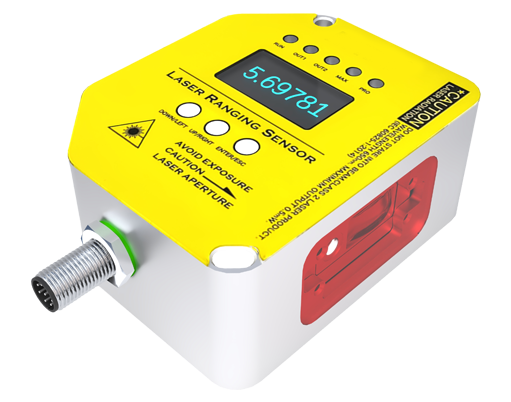
From an engineering perspective, the design of mobile laser scanning sensors involves significant challenges, including miniaturization, power consumption, and heat dissipation. Modern sensors are typically built using Vertical-Cavity Surface-Emitting Lasers (VCSELs), which are compact and energy-efficient, making them ideal for battery-powered devices. Additionally, advanced signal processing algorithms are employed to filter noise and enhance the accuracy of depth data. The sensor's integration with other components, such as inertial measurement units (IMUs) and RGB cameras, further improves performance by combining multiple data streams for robust environmental mapping.
Looking ahead, the future of mobile laser scanning sensors is poised for exponential growth. With the advent of 5G networks and edge computing, these sensors will facilitate real-time 3D modeling for applications in autonomous navigation, virtual collaboration, and healthcare. For example, in telemedicine, laser scanners could enable remote patient monitoring by capturing detailed body measurements or wound assessments. Moreover, as the Internet of Things (IoT) expands, smartphones equipped with laser sensors may serve as hubs for smart home control, using depth sensing to detect gestures or monitor room occupancy.
However, the widespread adoption of this technology also raises concerns regarding privacy and security. Laser scanners can capture highly detailed spatial data, potentially revealing sensitive information about indoor environments or personal belongings. Manufacturers must implement robust encryption and user consent mechanisms to address these issues. Furthermore, industry standards for sensor calibration and data interoperability are essential to ensure compatibility across devices and platforms.
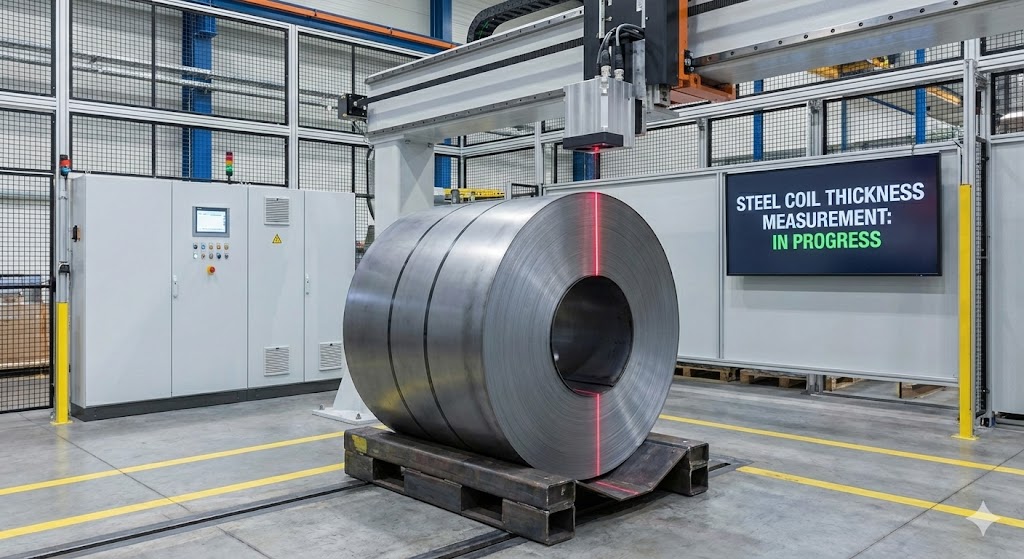
In conclusion, mobile laser scanning sensors represent a cornerstone of next-generation smartphone innovation, bridging the gap between digital and physical realms. Their ability to deliver precise, real-time depth perception is driving advancements in AR, photography, and beyond, while posing new challenges for engineers and policymakers alike. As research continues to improve sensor efficiency and affordability, we can expect these components to become ubiquitous in mobile devices, reshaping how we interact with technology daily.