In the rapidly evolving landscape of industrial automation and precision measurement, high-throughput laser sensors have emerged as a cornerstone technology, driving unprecedented levels of efficiency, accuracy, and reliability. These sophisticated devices utilize focused laser beams to perform non-contact sensing, enabling real-time data acquisition at speeds and resolutions far surpassing traditional mechanical or optical methods. Their application spans a vast array of sectors, from advanced manufacturing and robotics to quality control in pharmaceuticals and semiconductor fabrication.
The core principle of a high-throughput laser sensor involves emitting a coherent laser beam towards a target. The interaction of this beam with the target surface—whether through reflection, scattering, or triangulation—is precisely measured by a high-speed photodetector array. Advanced signal processing algorithms then analyze this data to determine critical parameters such as distance, displacement, thickness, profile, and even surface defects. The term "high-throughput" specifically refers to the sensor's ability to capture and process thousands, or even millions, of data points per second, making it ideal for dynamic production lines where speed is paramount.
One of the most significant advantages of these sensors is their non-contact nature. This eliminates mechanical wear, reduces maintenance costs, and allows for the measurement of delicate, hot, or moving objects without risk of damage or contamination. In automotive assembly, for instance, laser sensors are deployed for robotic guidance, weld seam tracking, and precise gap-and-flush measurement between body panels, ensuring stringent quality standards are met at high production volumes.
Furthermore, the integration of high-throughput laser sensors with Industry 4.0 frameworks and the Industrial Internet of Things (IIoT) is creating smarter, more responsive factories. These sensors generate vast streams of granular data that can be fed into centralized control systems for predictive maintenance, process optimization, and real-time quality assurance. A deviation in a measured dimension can trigger an immediate corrective action, minimizing waste and downtime.
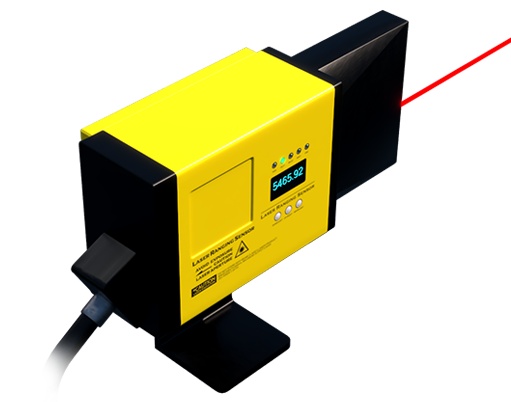
In the electronics industry, the demand for miniaturization makes laser sensors indispensable. They are used to inspect micro-electro-mechanical systems (MEMS), measure the coplanarity of ball grid arrays (BGAs) on circuit boards, and verify the precise deposition of materials. The sensor's high resolution, often in the sub-micron range, is critical for these applications.
Despite their robustness, selecting the right high-throughput laser sensor requires careful consideration of several factors. These include the required measurement range, resolution, sampling rate, the material and reflectivity of the target object, and environmental conditions like ambient light, dust, or vibration. Modern sensors often come with integrated software suites that allow for easy configuration, data visualization, and connectivity with PLCs and industrial networks.
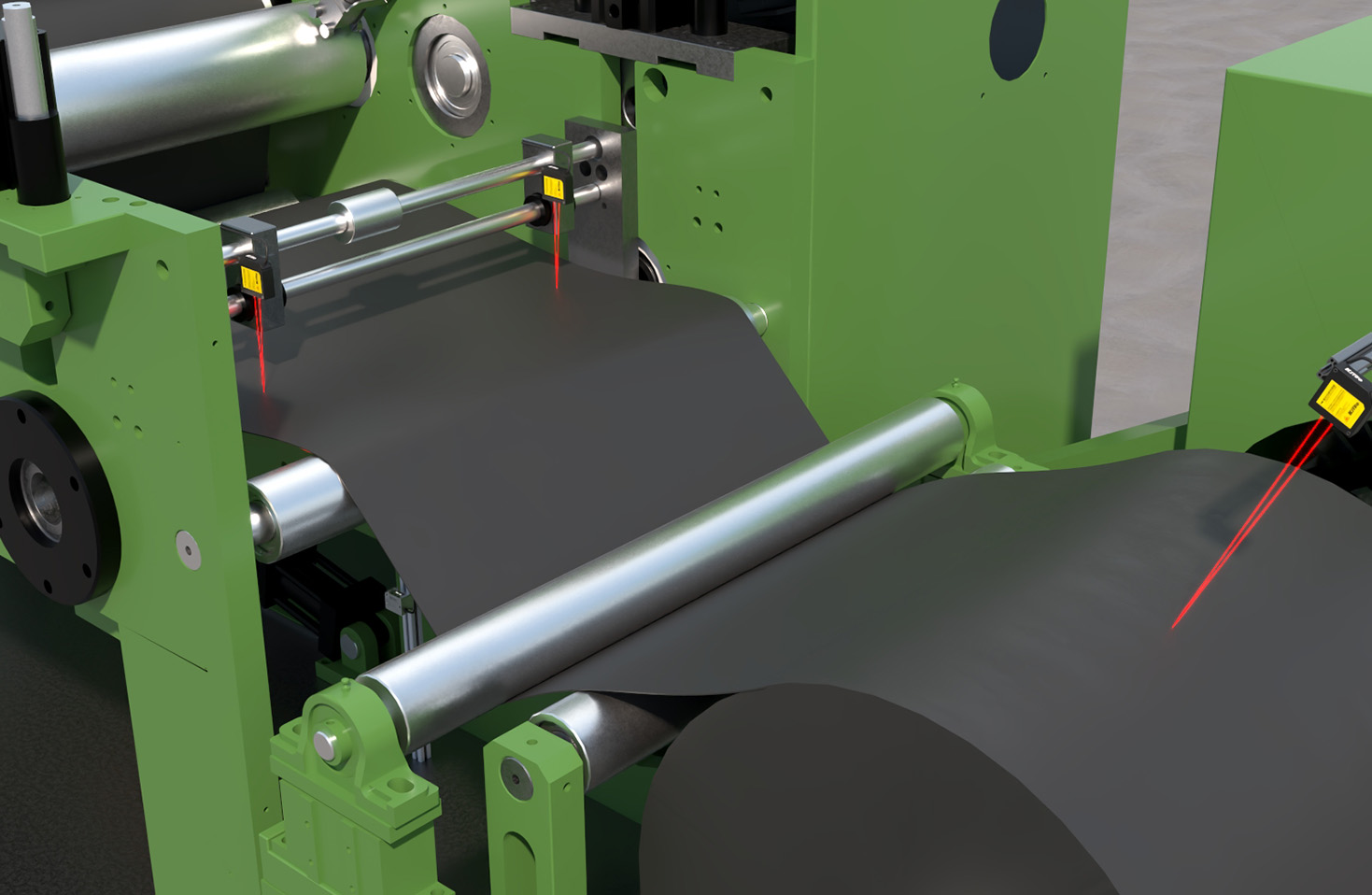
Looking ahead, advancements in laser diode technology, computational power, and machine learning algorithms are set to further enhance the capabilities of these sensors. We can anticipate even higher speeds, improved accuracy in challenging environments, and smarter sensors capable of adaptive learning and complex pattern recognition. As industries continue to push the boundaries of precision and automation, high-throughput laser sensors will undoubtedly remain at the forefront, enabling innovations that define the future of manufacturing and beyond.