In the intricate world of industrial automation, consumer electronics, and automotive systems, the proximity sensor is a fundamental component. It silently detects the presence or absence of objects without physical contact. However, the performance, reliability, and longevity of this sophisticated device are profoundly dependent on an often-overlooked element: its housing. The proximity sensor housing is far more than a simple protective shell; it is a critical engineering component that defines the sensor's interaction with its environment.
The primary function of the housing is protection. Sensors are deployed in harsh conditions—factory floors with metal shavings and coolant mists, outdoor applications exposed to rain and dust, or washdown areas in food processing. A robust housing seals the sensitive internal electronics from contaminants like dust, water, oils, and chemicals. The level of protection is standardized by the Ingress Protection (IP) rating system. For instance, a housing rated IP67 indicates complete protection against dust and the ability to withstand temporary immersion in water. Selecting the correct IP rating for the application is a non-negotiable first step in housing design.
Beyond sealing, the housing significantly influences the sensor's sensing capabilities. The material and thickness of the face, or sensing surface, are paramount. For inductive sensors that detect metals, the housing's front is typically made from a specific grade of polymer (like PBT or PPS) that allows the sensor's electromagnetic field to pass through with minimal attenuation. The material must be free of metallic fillers that could interfere with the field. For capacitive sensors, the housing material's dielectric properties become crucial. Ultrasonic sensors require a housing design that doesn't distort or dampen the sound waves. An improperly chosen material or an overly thick wall can drastically reduce the sensor's nominal sensing range, leading to operational failures.
Material selection is a complex trade-off. Thermoplastics like polyamide (PA), polycarbonate (PC), and polybutylene terephthalate (PBT) are prevalent due to their excellent mechanical strength, chemical resistance, and good dielectric properties. For extreme environments involving high temperatures, aggressive chemicals, or heavy physical impact, engineers might turn to metals like stainless steel (V2A or V4A) or brass, often with a nickel-plated finish. Metal housings offer superior mechanical robustness and can act as a shield against electromagnetic interference (EMI), but they are conductive and cannot be used for the sensing face of inductive sensors. Hybrid designs, featuring a metal body with a polymer sensing window, are common solutions.
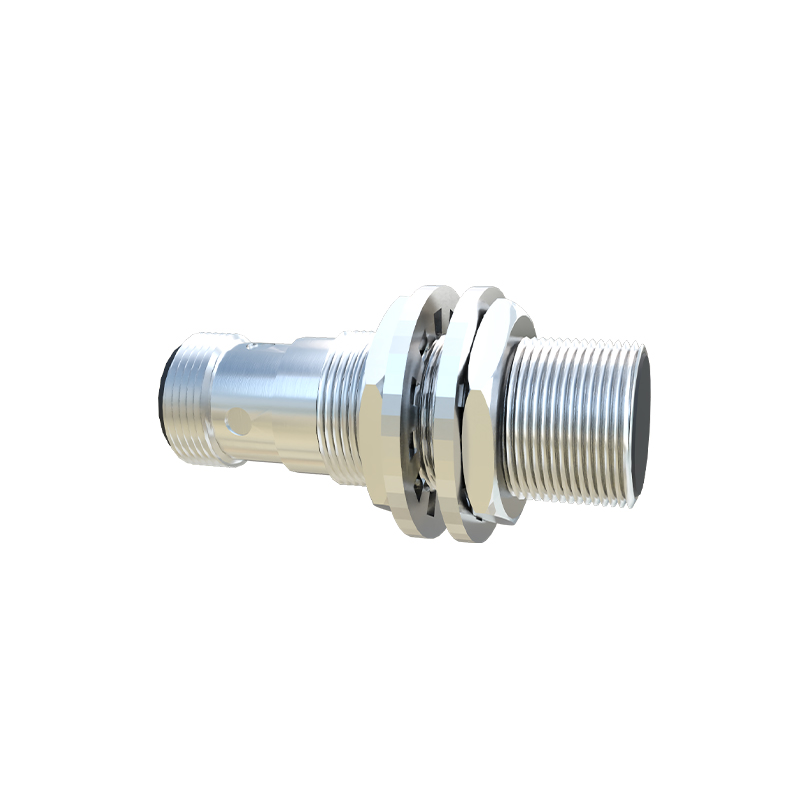
The mechanical design of the housing encompasses its form factor, mounting style, and connection method. Cylindrical housings (e.g., M8, M12, M18, M30 threads) are industry standards, allowing for easy installation in drilled holes with locknuts. Rectangular or block-style housings offer flexibility for surface mounting. The design must also accommodate cable outlets or connector types (like M12 connectors), ensuring strain relief to prevent wire breakage. Internal design considerations include proper potting or encapsulation of electronics to protect against vibration and thermal stress, and the strategic placement of status LEDs for visibility.
Thermal management is another hidden role. Electronic components generate heat, and some applications involve ambient high temperatures. The housing material must have sufficient thermal conductivity and heat resistance to dissipate this energy without deforming or causing internal component failure. This is especially critical for miniaturized sensors where heat dissipation is more challenging.
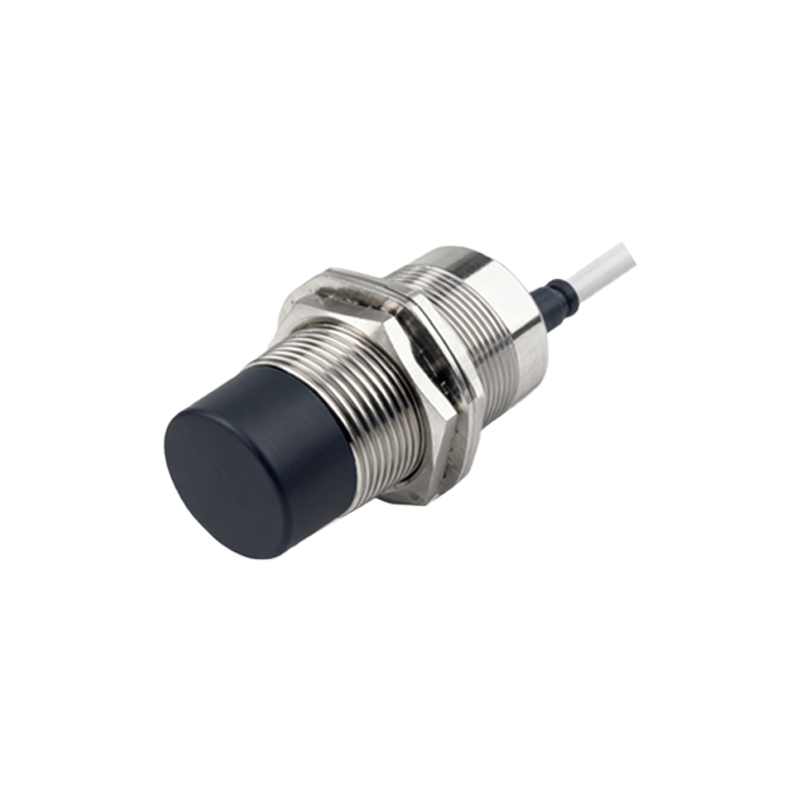
In summary, specifying a proximity sensor housing requires a holistic view of the application. Engineers must balance environmental protection (IP rating), sensing performance (material permeability), mechanical demands (strength, mounting), chemical exposure, thermal conditions, and cost. The ideal housing is an enabling interface—it safeguards the sensor's core technology while ensuring its signal is transmitted effectively into the real world it is meant to monitor. Neglecting its design is to risk the entire system's integrity, making the humble housing a cornerstone of reliable automation.