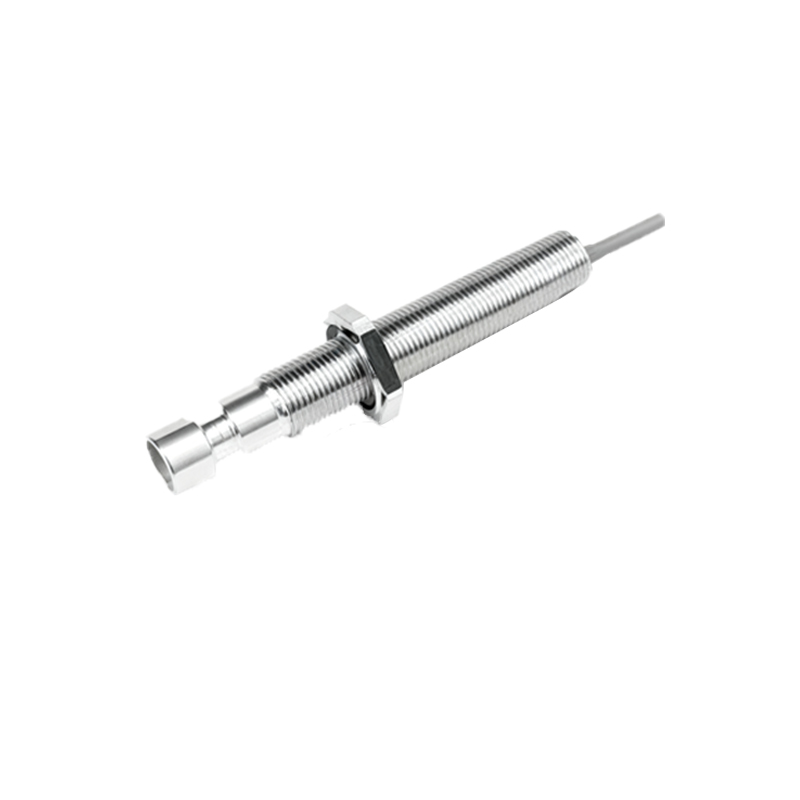
In the seamless interaction between humans and machines, a silent, unseen technology plays a pivotal role. Proximity sensors, the unassuming components embedded in countless devices, are fundamental to modern convenience, safety, and efficiency. Unlike other sensors that measure specific quantities like temperature or pressure, a proximity sensor's primary function is simple yet profound: to detect the presence or absence of an object within a defined range without any physical contact.
The principle behind this technology varies, leading to several distinct types, each suited for specific applications. Inductive proximity sensors are workhorses in industrial automation. They generate an electromagnetic field and detect changes caused by metallic objects. This makes them ideal for harsh factory environments—counting metal parts on a conveyor belt, verifying the position of a robotic arm, or ensuring machine safety by detecting if a guard door is closed. Their robustness against dust, oil, and moisture is a key advantage.
For detecting non-metallic materials, capacitive proximity sensors step in. They can sense a wide variety of targets, including liquids, plastics, wood, and even the human body, by measuring changes in capacitance. You'll find them in applications like liquid level detection in tanks, material handling systems, and touch-sensitive interfaces that react to a finger's approach.
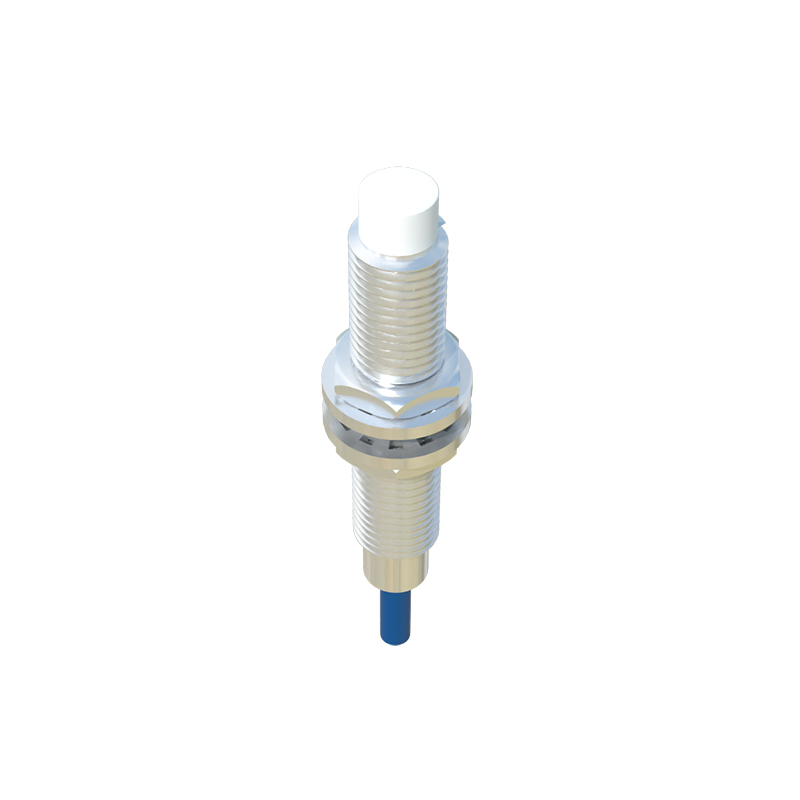
In consumer electronics, optical proximity sensors are ubiquitous. Typically using an infrared LED and a photodetector, they sense when an object is near. The most common example is in smartphones: during a call, the sensor detects when the phone is held to your ear and turns off the display to save power and prevent accidental screen touches. Ultrasonic sensors emit high-frequency sound waves and measure the echo's return time to calculate distance. They are crucial in automotive parking assist systems, robotics for obstacle avoidance, and even in some touchless faucets.
The applications extend far beyond these examples. In the automotive sector, proximity sensors are integral to advanced driver-assistance systems (ADAS), enabling features like blind-spot monitoring and automatic braking. In smart homes, they enable energy-saving lighting that turns on when someone enters a room. In retail, they can trigger informational displays as customers approach a product. In healthcare, they ensure sensitive equipment operates only when a patient is correctly positioned, enhancing safety.
Selecting the right proximity sensor involves careful consideration of several factors. The nature of the target material is paramount—is it metal, plastic, or liquid? The required sensing range, from a few millimeters to several meters, dictates the sensor type. Environmental conditions such as temperature extremes, potential washdowns, or exposure to electrical noise must also be factored in. Furthermore, the output signal type—digital (on/off) or analog (proportional to distance)—needs to align with the control system's requirements.

The future of proximity sensing is intertwined with the growth of the Internet of Things (IoT) and Industry 4.0. Sensors are becoming smarter, smaller, and more energy-efficient. They are increasingly equipped with digital interfaces and self-diagnostic capabilities, feeding real-time data into networked systems for predictive maintenance and optimized processes. Emerging technologies like time-of-flight (ToF) sensors, which use laser light to create precise 3D depth maps, are opening new frontiers in gesture recognition, augmented reality, and autonomous navigation.
Despite their invisibility, proximity sensors are indispensable. They are the silent sentinels that make machines aware of their surroundings, enabling automation, enhancing user experience, and preventing accidents. From the factory floor to the palm of your hand, these devices bridge the gap between the physical and digital worlds, making interactions more intuitive, efficient, and safe. As technology continues to evolve, the role of proximity sensors will only expand, further embedding this invisible intelligence into the fabric of our daily lives.