In the rapidly evolving landscape of industrial automation, consumer electronics, and automotive safety, proximity sensors have become indispensable components. These non-contact devices detect the presence or absence of objects within a defined range, enabling smarter, safer, and more efficient systems. For investors and industry observers, the performance and innovation of publicly traded companies specializing in this technology offer a compelling window into the sector's health and future direction. This analysis explores the key players, market dynamics, and technological trends shaping the world of proximity sensor listed companies.
The global market for proximity sensors is driven by relentless demand from several core industries. In automotive manufacturing, they are critical for advanced driver-assistance systems (ADAS), enabling features like automatic parking and collision avoidance. The consumer electronics sector relies heavily on them for touchless controls and display management in smartphones, tablets, and laptops. Furthermore, Industry 4.0 initiatives are fueling adoption in factories, where sensors facilitate robotic guidance, inventory management, and predictive maintenance on production lines. This diverse application base provides a stable and growing revenue stream for leading manufacturers.
Several established multinational corporations dominate the proximity sensor market, with their stock performance often reflecting broader industrial and technological trends. Companies like TE Connectivity Ltd. (TEL), Omron Corporation (OMRNY), and Panasonic Corporation (PCRFY) are titans in the field. These entities do not solely produce proximity sensors; they offer extensive portfolios of sensing, connectivity, and control solutions. Their strength lies in massive scale, deep R&D resources, and long-standing relationships with global OEMs across automotive, industrial, and consumer sectors. Investment in these stocks is often a bet on wide-ranging industrial automation and connectivity.
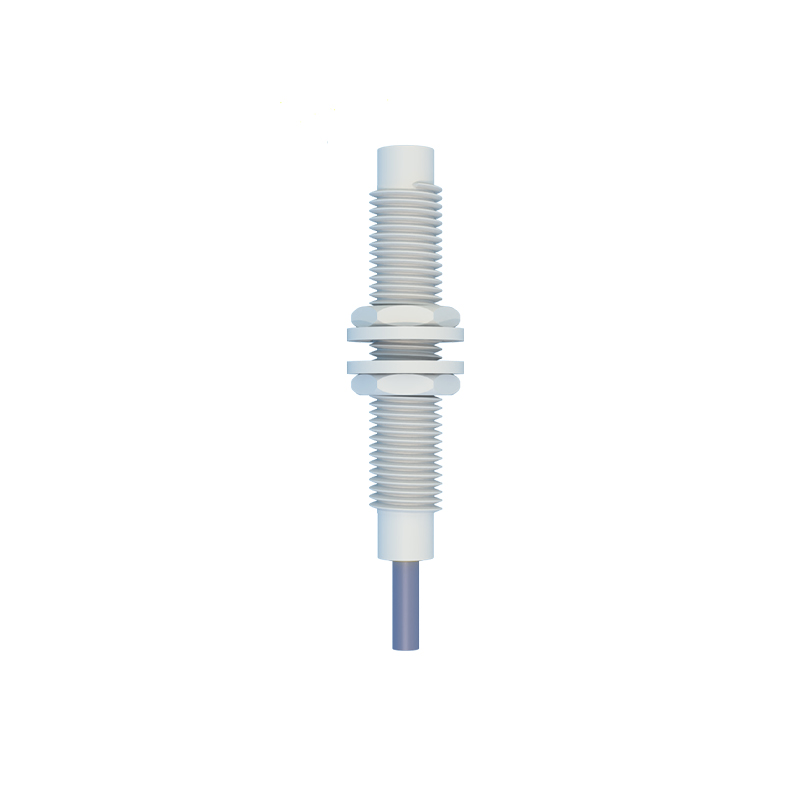
Alongside these diversified giants, several more focused sensor technology firms trade on public exchanges. Keyence Corporation (KYCCF), though not a pure-play sensor company, is renowned for its high-precision sensor products, including a wide array of proximity sensors for factory automation. Its business model and market valuation are closely watched as indicators of capital expenditure cycles in manufacturing. Similarly, Banner Engineering Corp., while privately held for many years, represents the type of specialized, innovative firm that often captures market niches. The presence and performance of such focused players highlight specific growth segments within the broader sensor ecosystem.
Technological innovation is the primary engine of growth and competitive advantage. Leading listed companies are investing significantly in developing sensors with enhanced capabilities. Key trends include the miniaturization of components for ever-smaller consumer devices, the integration of IoT (Internet of Things) connectivity for real-time data monitoring, and improvements in sensing range, accuracy, and material detection (e.g., differentiating between metal, plastic, and liquid). Companies that successfully patent and commercialize next-generation technologies, such as sensors with embedded AI for predictive analytics, are likely to command premium valuations from investors.
The financial performance of these companies provides tangible metrics for analysis. Investors typically monitor revenue growth within the "sensors" segment of larger conglomerates, profit margins, R&D expenditure as a percentage of sales, and order books from key verticals like automotive or consumer electronics. Periods of high industrial capital expenditure generally boost sensor sales, while economic downturns can lead to deferred orders. Furthermore, geopolitical factors and supply chain resilience have become critical considerations following recent global disruptions, affecting production costs and lead times.
Looking ahead, the future for proximity sensor manufacturers appears intrinsically linked to mega-trends like autonomous vehicles, smart cities, and advanced robotics. Companies that can provide reliable, cost-effective, and intelligent sensing solutions for these applications are poised for sustained growth. For stakeholders, understanding the strategic positioning, innovation pipeline, and market execution of these listed entities is crucial. The proximity sensor market, though a specialized component industry, offers a clear and responsive indicator of technological adoption and industrial health worldwide.