In industrial automation and control systems, the reliable detection of object presence, position, or end-of-travel is fundamental. Among the myriad of sensing solutions available, limit switch proximity sensors stand out for their robustness, simplicity, and precision. These devices serve as the critical interface between physical motion and electrical control signals, ensuring machinery operates safely and within defined parameters. Unlike basic mechanical limit switches that require physical contact, modern proximity sensors offer non-contact detection, significantly reducing wear and tear and enhancing operational longevity.
A limit switch proximity sensor is essentially an electromechanical or solid-state device designed to detect the presence or absence of an object within a specified sensing range without making physical contact. The core principle involves generating an electromagnetic field or beam. When a target object enters this field, it causes a change in the sensor's internal state, triggering an electrical output signal. This signal is then used to control a process, such as stopping a motor, changing direction, initiating a sequence, or providing positional feedback to a Programmable Logic Controller (PLC).
Several technologies underpin the operation of these sensors, each suited to different applications and target materials. Inductive proximity sensors are among the most common for industrial use. They generate an oscillating electromagnetic field and detect the eddy current losses induced in conductive metal targets. They are ideal for detecting metals like steel, aluminum, or copper and are widely used in machine tools, material handling, and automotive assembly lines. Their sensing ranges are relatively short but offer high repeatability and resistance to environmental contaminants like dust, oil, and coolant.
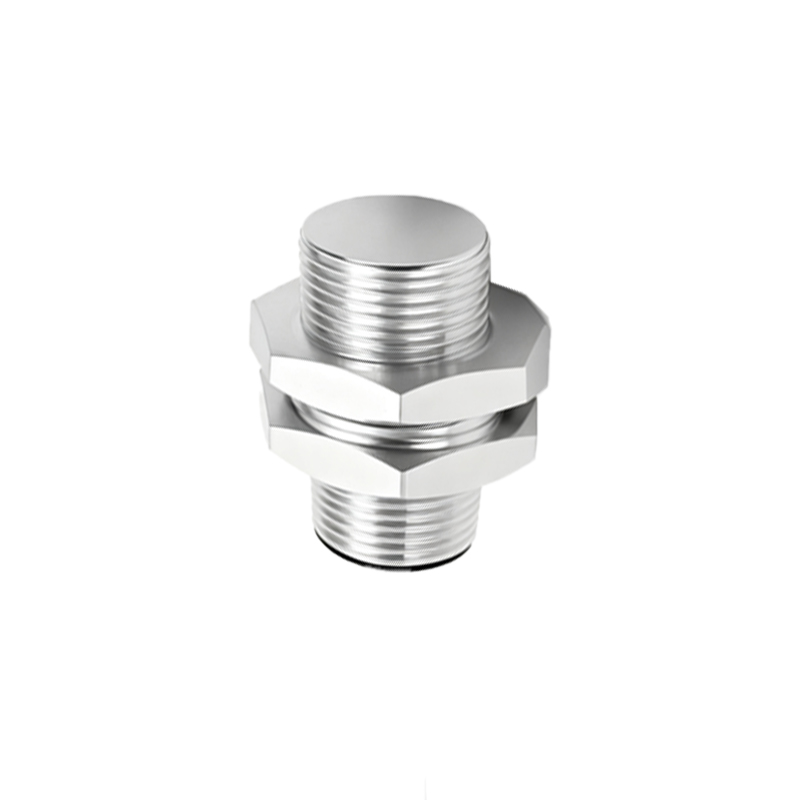
Capacitive proximity sensors, on the other hand, can detect both metallic and non-metallic materials, including liquids, plastics, glass, and wood. They operate by sensing changes in capacitance caused by the presence of any material that alters the dielectric constant of the space between the sensor's electrodes. This makes them versatile for applications in packaging, food processing, and level detection in tanks or silos. However, they can be more sensitive to environmental factors like humidity.
For applications requiring longer sensing distances or the detection of any opaque object regardless of material, photoelectric sensors are the preferred choice. They emit a beam of light (visible red, infrared, or laser) and detect its reflection or interruption. While not always classified strictly under "proximity" sensors in some taxonomies, their function for non-contact position limiting is identical. Ultrasonic sensors use sound waves to detect objects and measure distance, excelling in harsh environments where optical sensors might fail due to dirt or fog.
The selection of the appropriate limit switch proximity sensor hinges on several key factors. First, the nature of the target material is paramount—whether it is metallic, non-metallic, liquid, or transparent. Second, the required sensing distance must be carefully considered, ensuring a sufficient margin for reliable operation without false triggers. The operating environment presents another critical criterion; sensors may need specific ingress protection (IP) ratings for dust and water resistance, resistance to chemicals, or ability to withstand high temperatures, vibrations, and electrical noise. Output configuration is also vital, with choices typically including NPN (sinking), PNP (sourcing), or relay contacts, which must be compatible with the control system's input module. Finally, physical form factors, such as cylindrical barrels, rectangular blocks, or specialized housings, are chosen based on available mounting space and mechanical protection needs.
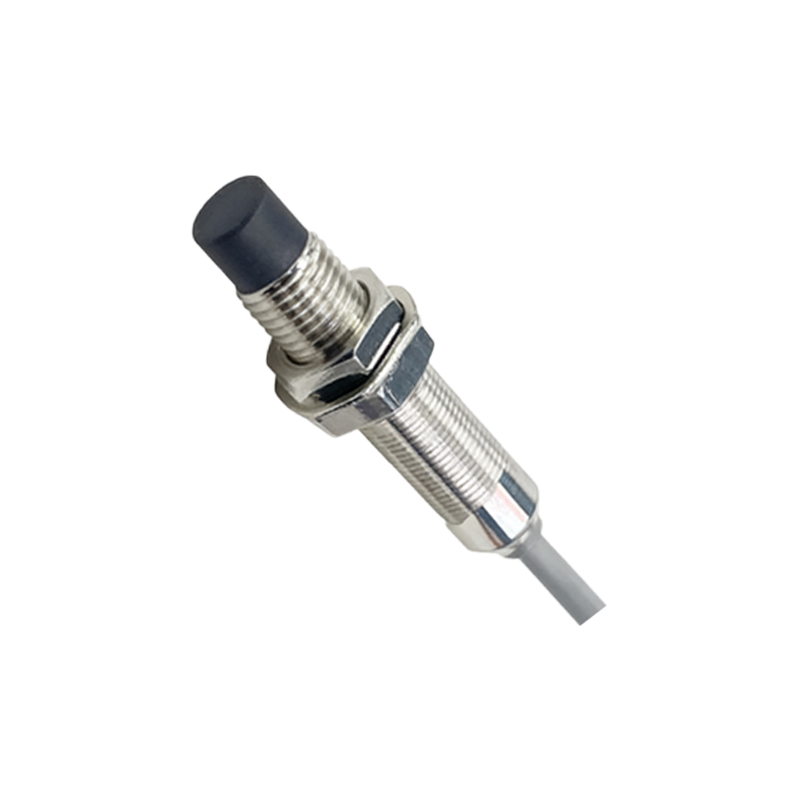
In practical applications, these sensors are ubiquitous. On a conveyor system, they can detect when a product reaches the end of a line or trigger a diverter gate. In robotics, they provide precise end-of-arm tooling position feedback or define the limits of axis movement to prevent overtravel. Within automated storage and retrieval systems (AS/RS), they ensure shuttles and lifts are correctly positioned. Their role in safety is indispensable, often serving as interlock devices on guards or emergency stop monitoring.
Installation and maintenance, while generally straightforward, require attention to detail. Proper alignment with the target, ensuring the correct gap within the sensor's rated operating range, and securing stable mounting are essential for consistent performance. Electrical wiring must follow manufacturer guidelines and local codes to prevent noise interference or damage. Regular checks for physical damage, accumulation of debris on the sensing face, and verification of output signals are part of a proactive maintenance routine that prevents unplanned downtime.
The evolution of limit switch proximity sensors continues, with trends leaning towards miniaturization, increased intelligence, and enhanced connectivity. Modern sensors often feature integrated diagnostics via IO-Link communication, allowing for remote monitoring of parameters like operating distance, temperature, and signal strength, paving the way for predictive maintenance strategies. This smart functionality integrates seamlessly into Industry 4.0 and Industrial Internet of Things (IIoT) frameworks, providing valuable data for optimizing production processes.
In conclusion, limit switch proximity sensors are indispensable components in modern industrial automation. Their ability to