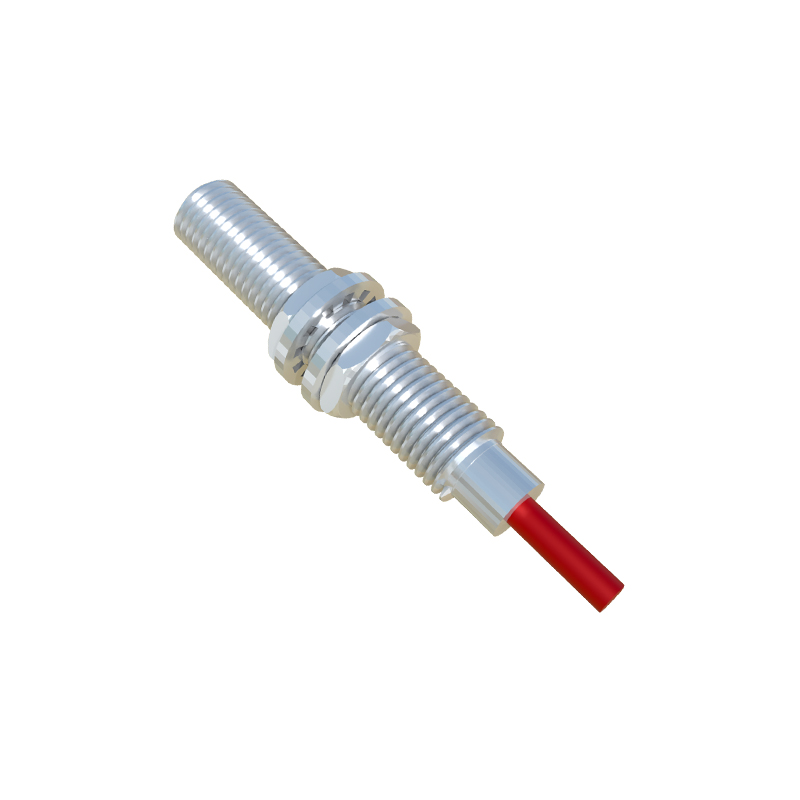
In the realm of industrial automation, scientific research, and aerospace, operations frequently extend into environments where conventional electronic components falter. Among the most critical components in these systems are sensors, tasked with providing reliable data for control and safety. Proximity sensors, designed to detect the presence or absence of an object without physical contact, face particular challenges in cryogenic conditions. This is where ultra-low temperature proximity sensors emerge as indispensable tools, engineered to deliver unwavering performance where standard sensors would cease to function.
The core challenge of cryogenic environments, often defined as temperatures below -40°C (-40°F) and extending into the liquid nitrogen range (-196°C / -321°F) and beyond, lies in material behavior. Standard elastomers in seals harden and crack, lubricants solidify, and most critically, the electrical properties of semiconductors and metals undergo significant changes. Conventional inductive or capacitive proximity sensors may suffer from signal drift, reduced sensing ranges, or complete failure due to embrittlement of materials and contraction of internal components. Ultra-low temperature variants are specifically designed to counteract these effects through meticulous material selection and engineering.
Material science is the cornerstone of these robust sensors. Housings are typically constructed from high-grade stainless steels, such as 316L, known for their excellent corrosion resistance and maintained toughness at cryogenic temperatures. Critical internal seals move away from standard rubbers to specialized polymers like PTFE (Teflon) or perfluoroelastomers, which retain flexibility and sealing integrity. Internal springs and mechanical parts are often made from alloys like Inconel or specially treated steels that resist becoming brittle. Furthermore, the sensing technology itself is adapted. For inductive sensors, the coil windings and core materials are selected for stable magnetic permeability across a vast temperature range. Advanced designs incorporate temperature compensation circuits that actively adjust the sensor's output to account for changes in the electrical characteristics of its components, ensuring a consistent switching point.
The applications for ultra-low temperature proximity sensors are as demanding as their design. In the liquefied natural gas (LNG) industry, they monitor valve positions, detect levels in cryogenic storage tanks, and ensure the safe transfer of fluids at temperatures around -162°C. Within superconducting systems, such as those found in MRI machines or particle accelerators, these sensors provide precise positioning feedback for components cooled by liquid helium, operating just a few degrees above absolute zero. Aerospace and satellite testing utilizes them in thermal vacuum chambers to simulate the harsh conditions of space, where reliable sensor data is non-negotiable. They are also pivotal in cryogenic freezing processes for food and pharmaceuticals, as well as in advanced physics research laboratories.
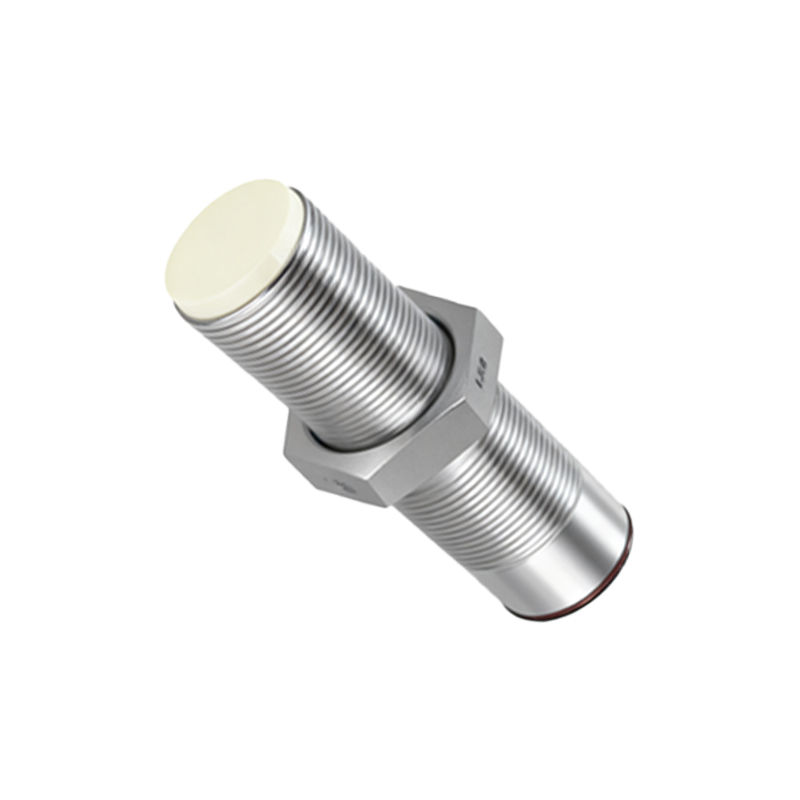
Selecting the appropriate ultra-low temperature proximity sensor requires careful consideration of several parameters beyond just the minimum operating temperature. The sensing range, which may contract slightly at extreme lows, must be verified for the application. The type of output (e.g., PNP/NPN, analog, or IO-Link) needs to be compatible with the control system, which itself may be located in a warmer environment. Enclosure ratings, typically IP67 or higher, are crucial to prevent ingress of moisture that would instantly freeze. Additionally, the sensor's thermal cycling capability—its ability to withstand repeated transitions between extreme cold and ambient temperatures without degradation—is a key indicator of long-term reliability.
Installation and maintenance also demand specific attention. Proper mounting is essential to minimize stress on the sensor body caused by differential thermal contraction between the sensor and its mounting bracket. Cables must be rated for flexing at low temperatures; otherwise, they can become stiff and prone to damage. While these sensors are built for durability, periodic verification of their performance is recommended, especially in mission-critical applications, to ensure they haven't experienced any signal drift over time.
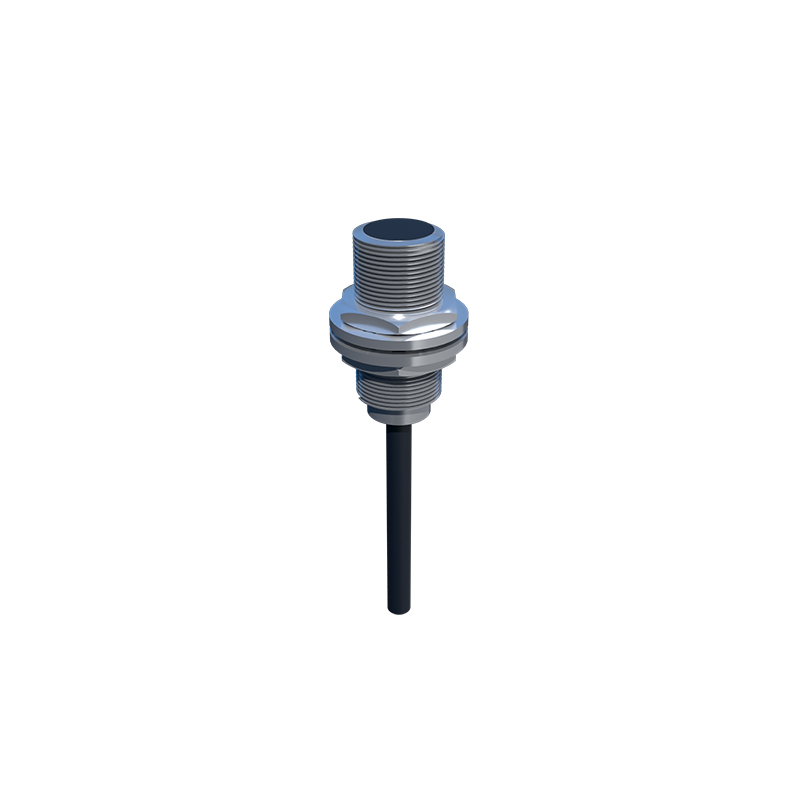
The evolution of ultra-low temperature proximity sensors continues, driven by the needs of cutting-edge industries. Integration of smart sensor features, such as continuous condition monitoring and predictive maintenance data, is becoming more prevalent. These features can alert operators to potential issues before they lead to downtime, which is especially valuable in remote or hazardous cryogenic facilities. Furthermore, research into new materials and miniaturization techniques promises to expand their capabilities into even more extreme and precise applications.
In conclusion, ultra-low temperature proximity sensors represent a specialized fusion of advanced materials, precision engineering, and electronic compensation. They are not merely hardened versions of standard sensors but are fundamentally re-engineered to operate as reliably at -200°C as they would at room temperature. By enabling precise, non-contact detection in the world's coldest environments, they form a critical link in the chain of automation and control, ensuring safety, efficiency, and scientific discovery can proceed where traditional technology would simply freeze.