In industrial automation, manufacturing lines, and outdoor applications, maintaining reliable object detection is a constant battle against environmental challenges. Among the most disruptive of these is liquid splash—whether from coolants, cleaning processes, rain, or chemical sprays. Standard proximity sensors often fail in these conditions, leading to costly downtime, false triggers, and maintenance headaches. This is where the specialized technology of anti-splash proximity sensors becomes not just an option, but a critical necessity for operational continuity and precision.
Anti-splash proximity sensors are engineered with a singular focus: to ignore the presence of liquids on their sensing face while accurately detecting the intended target object. Unlike their standard counterparts, these sensors incorporate advanced design features that mitigate the disruptive effects of water, oil, and other common fluids. The core principle involves sophisticated signal processing and physical design elements that distinguish between a transient liquid film and a solid object entering the detection field.
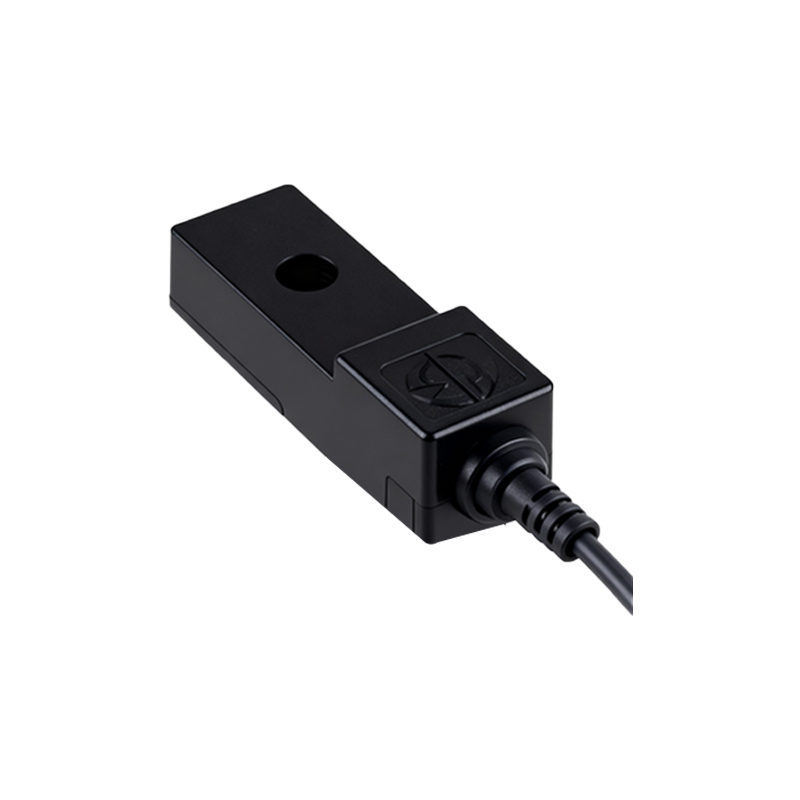
The technology behind these robust sensors primarily revolves around their sensing method. High-frequency capacitive sensors and certain advanced ultrasonic models are particularly adept at handling splash conditions. They are often equipped with specially designed front caps or diaphragms. These components feature hydrophobic or oleophobic coatings—materials that actively repel water and oil, causing liquids to bead up and roll off rather than forming a continuous film. Furthermore, the sensor housing is meticulously sealed, typically achieving an IP67, IP68, or IP69K rating, which guarantees protection against high-pressure, high-temperature jet washes common in food and beverage or pharmaceutical industries.
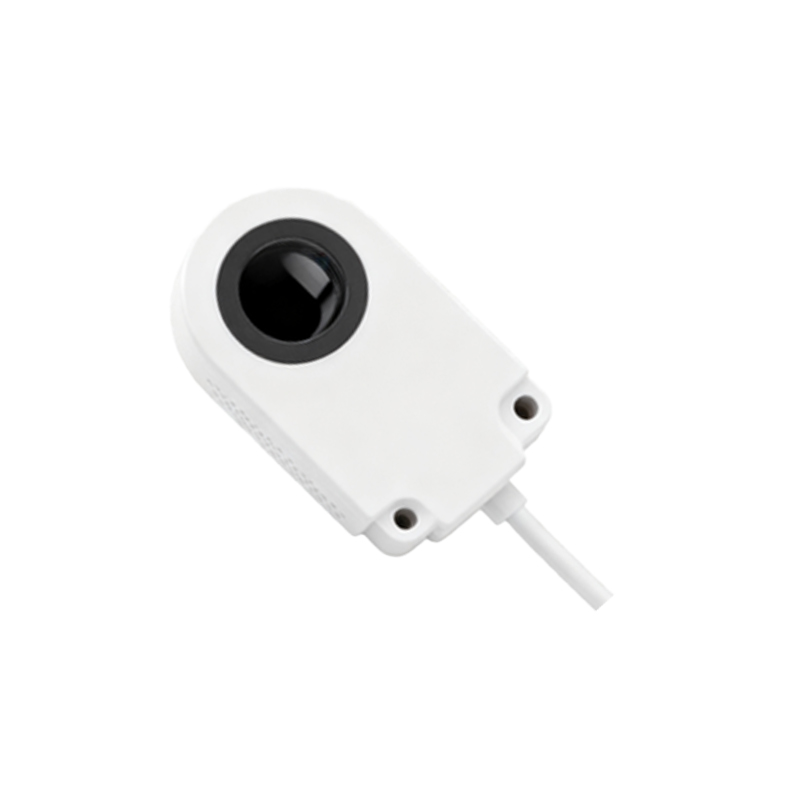
The internal electronics play an equally vital role. Advanced algorithms analyze the return signal's characteristics. A thin, inconsistent layer of liquid creates a different capacitive or acoustic impedance signature compared to a solid, dense target. The sensor's logic is tuned to recognize this difference, effectively filtering out the "noise" caused by splashes and retaining a stable detection signal for the actual workpiece. This intelligent filtering prevents the machine from receiving a false "object present" signal every time a droplet hits the lens.
The applications for anti-splash sensors are vast and critical. In machine tooling and CNC machining centers, they are indispensable for tool presence verification and part positioning, where cutting fluids and coolants are constantly sprayed. Automotive assembly lines utilize them for robotic guidance and part verification during painting or washing stages. In packaging and bottling plants, sensors must perform flawlessly despite frequent wash-downs for hygiene. Agricultural machinery, construction equipment, and outdoor automated systems also rely on these sensors to perform reliably in all weather conditions, resisting rain, mud, and dust.
Selecting the right anti-splash sensor requires careful consideration of several factors. First, identify the specific liquid challenge: is it water, oil, a chemical, or a combination? The sensor's material and coating must be chemically compatible. The required sensing range and the nature of the target material (metal, plastic, glass) will determine whether a capacitive, ultrasonic, or specially shielded inductive model is best. The installation environment dictates the necessary Ingress Protection (IP) rating; IP69K is the gold standard for environments requiring frequent, aggressive cleaning. Finally, output type (PNP/NPN analog or digital) and connection style must integrate seamlessly with the existing control system.
Installation and maintenance best practices are straightforward but essential. While the sensor is designed to withstand splashes, direct, continuous immersion or a high-pressure jet aimed directly at the sensing face should be avoided, as it can eventually compromise the seal. Regular visual inspection to ensure the protective face is clean of stubborn residues that coatings cannot shed is recommended. Following the manufacturer's guidelines for mounting distance and orientation will optimize performance and longevity.
In conclusion, the integration of anti-splash proximity sensors represents a proactive approach to industrial reliability. By investing in this targeted technology, engineers and plant managers can dramatically reduce false stops, minimize unscheduled maintenance, and enhance the overall robustness of their automated systems. In the demanding landscape of modern industry, where efficiency is paramount, specifying a sensor that can see through the splash is a clear decision for smarter, more resilient automation.