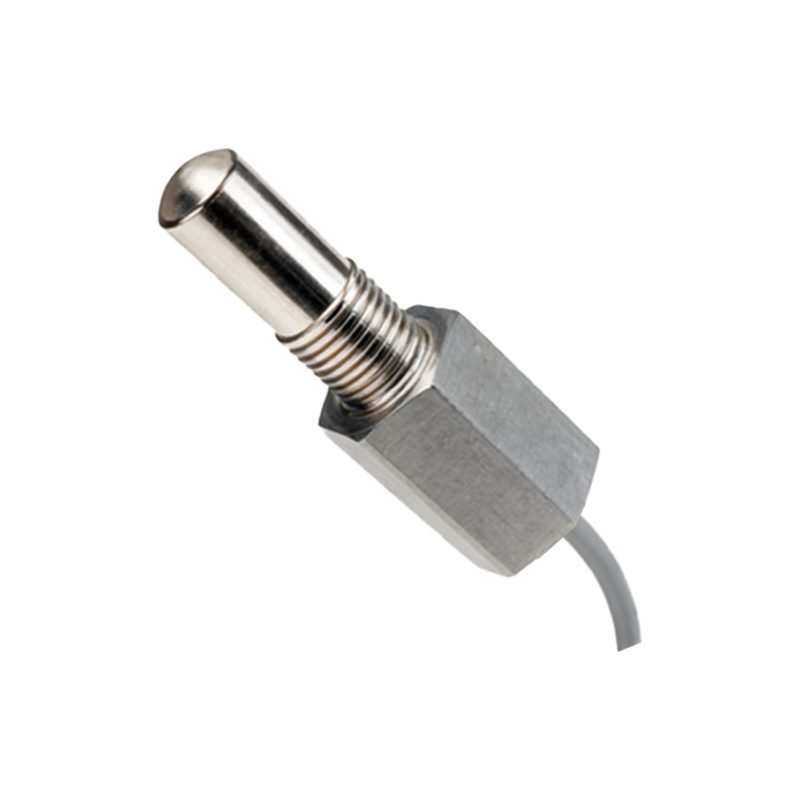
In the ever-evolving landscape of technology, devices that interact with their environment seamlessly are becoming the norm. At the heart of this silent interaction often lies a crucial component: the proximity sensor. This technology, which allows a device to detect the presence or absence of a nearby object without physical contact, is fundamental to modern user experience, efficiency, and safety. This article delves into the core principles, diverse applications, and emerging trends of proximity sensing technology.
The fundamental operating principle of most proximity sensors is based on emitting a field or a beam of electromagnetic radiation, such as infrared light, and then looking for changes in the field or the return signal. The most common type is the infrared (IR) proximity sensor. It typically consists of an IR LED that emits infrared light and a photodiode or phototransistor that detects the reflected light. When an object comes close, the emitted IR light bounces back to the receiver. The sensor's circuitry measures the intensity of this reflected light; a stronger signal indicates a closer object. Another prevalent technology is the capacitive proximity sensor. These sensors detect changes in capacitance. The sensor and the object act as two plates of a capacitor. As an object enters the sensor's electrostatic field, it alters the capacitance, which is measured by the circuit to determine proximity. These sensors are excellent for detecting non-metallic objects like a human hand. Ultrasonic sensors use sound waves, emitting a high-frequency pulse and calculating distance based on the time it takes for the echo to return. Each technology has its strengths: IR sensors are cost-effective for short-range detection, capacitive sensors are ideal for touchless interfaces, and ultrasonic sensors excel in longer-range and harsh environments.
The applications of proximity sensors are ubiquitous and often invisible to the end-user. In the consumer electronics realm, they are a staple. The most recognizable example is in smartphones. When you hold your phone to your ear during a call, the proximity sensor detects your face and turns off the display to prevent accidental screen touches and save battery. Similarly, in modern laptops, a sensor can detect when a user is present and wake the device from sleep, enhancing both convenience and security. Beyond personal devices, proximity sensors are critical in industrial automation. On assembly lines, they detect the position of parts, count objects, and ensure machinery operates only when a component is correctly aligned, significantly improving safety and precision. In the automotive sector, they form the backbone of parking assist systems, alerting drivers to obstacles that are too close. They are also integral to touchless faucets, soap dispensers, and hand dryers in public restrooms, promoting hygiene and conserving resources. Furthermore, in robotics, proximity sensors provide essential environmental awareness, allowing robots to navigate and avoid collisions.
Looking forward, the trajectory of proximity sensing technology points towards greater integration, miniaturization, and intelligence. The development of sensor fusion, where data from a proximity sensor is combined with inputs from cameras, LiDAR, or other sensors, is creating more robust and context-aware systems. This is particularly vital for advancements in autonomous vehicles and advanced robotics. Another significant trend is the move towards ever-smaller form factors. As devices like wearables and hearables become more compact, the demand for microscopic sensors that consume minimal power increases dramatically. Research into new materials and sensing principles, such as time-of-flight (ToF) sensors that offer highly accurate distance measurement, is pushing the boundaries of what is possible. Furthermore, the integration of artificial intelligence at the edge allows the sensor system itself to make intelligent decisions, such as distinguishing between intentional gestures and accidental movements, leading to more intuitive human-machine interfaces.
In conclusion, proximity sensing technology, though often operating unnoticed, is a cornerstone of contemporary electronic design. From making our smartphones smarter to safeguarding industrial workers and enabling autonomous systems, its role is both foundational and expanding. As the Internet of Things continues to grow and machines require more sophisticated environmental awareness, the evolution of reliable, accurate, and intelligent proximity sensors will remain a critical area of innovation, quietly shaping our interaction with the digital and physical worlds.