Natural gas, primarily composed of methane, is a cornerstone of modern home energy, powering furnaces, water heaters, stoves, and dryers. While efficient and reliable, its invisible and odorless nature poses a significant risk if leaks occur. Traditional detection methods have served us well, but a new generation of home safety technology is emerging: the laser methane sensor. This advanced device represents a leap forward in proactive household gas monitoring, offering unparalleled precision and reliability.
Unlike conventional catalytic bead or semiconductor sensors that rely on chemical reactions, laser methane sensors operate on a fundamental principle of physics called Tunable Diode Laser Absorption Spectroscopy (TDLAS). Here’s how it works in simple terms: a tiny laser inside the sensor emits a specific beam of light tuned precisely to a wavelength that methane molecules naturally absorb. This beam travels across a small, open sampling path within the device. A detector on the other side measures the intensity of the received light. If methane gas is present in the air between the laser and the detector, the molecules will absorb some of this light energy. The sensor's sophisticated microprocessor then calculates the exact concentration of methane based on the amount of light absorbed. This method is exceptionally selective; the laser is so finely tuned that it essentially ignores other common household gases like carbon monoxide, cooking vapors, or alcohol, drastically reducing false alarms.

The advantages of integrating this technology into a residential setting are substantial. First and foremost is accuracy and sensitivity. These sensors can detect methane at very low concentrations, often in the parts-per-million (ppm) range, providing an early warning long before gas reaches a dangerous, explosive level. This allows homeowners ample time to ventilate the area, shut off the supply, and contact professionals. The selectivity of the laser technology, as mentioned, eliminates nuisance triggers from common household sources, ensuring that an alarm is a serious event requiring attention. Furthermore, laser-based sensors have a significantly longer operational lifespan. Since there is no consumable element or catalyst that degrades over time, they can maintain calibration and accuracy for many years, typically a decade or more, with minimal maintenance. This contrasts with traditional sensors that may require replacement every few years.
For homeowners, the practical benefits translate into enhanced peace of mind. Modern home laser methane detectors are designed for user-friendly installation, often as standalone units or integrated into smart home ecosystems. When a leak is detected, they can trigger loud audible and visual alarms, send instant push notifications to smartphones, and even integrate to automatically shut off a smart gas valve if one is installed. This creates a layered, automated response system. They are ideal for placement near potential leak sources: by the furnace, water heater, kitchen range, or in the basement. For homes using propane, which is also detectable by these sensors, similar placement near tanks or appliances applies.
When considering the adoption of this technology, it's important to view it as a long-term investment in safety and prevention. While the initial purchase price of a laser methane sensor is typically higher than that of a basic plug-in detector, the total cost of ownership over its extended lifespan, coupled with its superior reliability and avoidance of false alarm costs, often makes it a more economical and certainly a more effective choice. It complements, rather than replaces, existing carbon monoxide detectors and smoke alarms, forming a comprehensive home safety network.
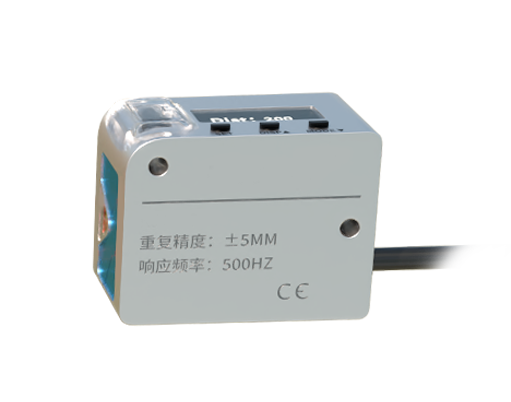
The evolution of gas detection is moving towards smarter, more connected, and more precise solutions. Laser methane sensor technology, once confined to industrial and utility applications, is now becoming accessible for residential use. It embodies a shift from merely alerting occupants to a potential hazard to providing a precise, early, and trustworthy diagnosis of a methane leak. For households prioritizing safety, efficiency, and the integration of cutting-edge technology into their daily lives, the home laser methane sensor stands as a vigilant, silent guardian, leveraging the power of light to ensure the safe use of natural gas.