In industrial automation and machinery design, the diameter of a proximity sensor is far more than a physical dimension—it is a critical parameter that directly influences performance, integration, and reliability. Selecting the correct sensor diameter requires a nuanced understanding of application requirements, environmental constraints, and the inherent trade-offs between size and capability.
The diameter of a cylindrical inductive or capacitive proximity sensor, typically ranging from M4 (4mm) to M30 (30mm) or larger, dictates several key operational characteristics. First and foremost is the sensing distance. Generally, a larger sensor diameter allows for a longer nominal sensing range. For instance, an M8 sensor may offer a 2mm range, while an M30 sensor can detect objects from 15mm away. This relationship exists because a larger housing can accommodate a larger coil or sensing element, generating a more extensive electromagnetic or electrostatic field. However, this is not a linear progression, and technical datasheets must always be consulted for precise values.
Beyond sensing range, diameter impacts the sensor's switching frequency and its ability to handle different target materials. A sensor with a larger diameter often has a more robust internal design, potentially allowing for higher switching speeds due to a more powerful oscillator circuit. For inductive sensors, the size of the coil influences the detectable object size; a larger diameter sensor typically requires a larger target metal object to achieve its full sensing range. Using a sensor that is too large for a small target can result in unreliable detection.
Installation and space constraints are perhaps the most practical considerations. In modern, compact machinery, real estate is at a premium. An M4 or M5 miniature sensor can be installed in extremely tight spaces, such as within small robotic grippers or on circuit board handling equipment. Their small size, however, often means a shorter sensing range and potentially less resilience to mechanical stress or electrical noise. Conversely, larger diameter sensors (e.g., M18, M30) are inherently more robust, better shielded, and often feature more durable housing materials and more substantial cabling or connector options. They are suited for harsh environments like heavy-duty machining, material handling, or automotive assembly lines where physical impact, vibration, and contaminants are present.
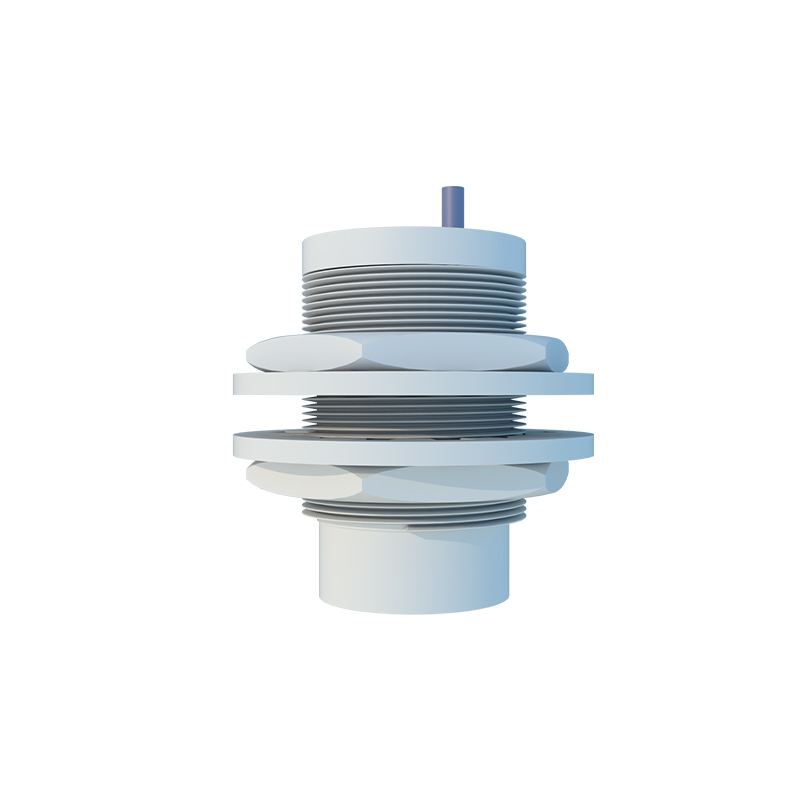
The choice of diameter also interacts with the required mounting style. Cylindrical sensors are commonly available in flush-mountable and non-flush (shielded and unshielded) versions. Flush-mountable sensors can be installed embedded in a metal bracket without their sensing field being disrupted, allowing for a very compact and protected installation. Non-flush sensors offer longer ranges but require free space around their sensing face. The diameter must be chosen in conjunction with this mounting decision to ensure the sensor fits the prepared housing or hole.
Environmental factors provide another layer of complexity. In applications with heavy washdown requirements (e.g., food and beverage, pharmaceuticals), a sensor with a larger diameter might be preferred as it can more easily incorporate high-grade sealing (IP67, IP69K) and corrosion-resistant stainless-steel housings. The mechanical strength of a larger housing better withstands high-pressure spray and temperature fluctuations.
Finally, cost and availability are inevitable factors. Standard diameters like M8, M12, M18, and M30 are ubiquitous, resulting in broader supplier options, competitive pricing, and readily available mounting accessories (nuts, brackets). Selecting an unusual or very miniature diameter may lead to longer lead times and higher unit costs.
In conclusion, there is no universal "best" diameter for a proximity sensor. The optimal selection emerges from a systematic evaluation: defining the required sensing range and target material, assessing the available installation space and mounting method, evaluating the environmental conditions, and balancing performance needs with budgetary constraints. Engineers and technicians must treat the sensor diameter as a fundamental specification, cross-referencing manufacturer data to ensure the chosen device delivers precise, reliable, and durable operation within its intended application.