In the world of industrial automation and machine design, sensors are the fundamental components that provide the "senses" for equipment, enabling precise control and monitoring. Among the most widely used types are photoelectric sensors and proximity sensors. While both serve the critical function of object detection without physical contact, they operate on entirely different principles and are suited for distinct applications. Understanding their core functionalities, advantages, and limitations is essential for selecting the right sensor for any given task.
Photoelectric sensors function by using light to detect the presence, absence, or distance of an object. The basic components include an emitter (light source), a receiver, and associated electronics. The emitter projects a beam of light—often visible red, infrared, or laser—towards the receiver. When an object interrupts or reflects this beam, the receiver detects the change in light intensity, triggering an output signal. There are three primary operating modes: through-beam, retro-reflective, and diffuse reflective. Through-beam sensors have separate emitter and receiver units placed opposite each other, offering the longest sensing ranges and highest reliability. Retro-reflective models house both elements in one unit, using a reflector to bounce the beam back; an object breaks this reflection. Diffuse reflective sensors detect light reflected directly off the target object itself, making them simpler to install but with shorter, less consistent ranges.
The key strengths of photoelectric sensors lie in their versatility and range. They can detect objects from a few millimeters up to several hundred meters away. They are excellent for sensing a wide variety of materials, including glass, plastic, wood, and liquid levels, regardless of the material's metallic properties. Their ability to see small objects and detect through transparent materials is a significant advantage. However, they can be susceptible to environmental factors such as dust, fog, intense ambient light, or dirt on the lens, which may interfere with the light beam. They generally require more precise alignment than some proximity sensors.
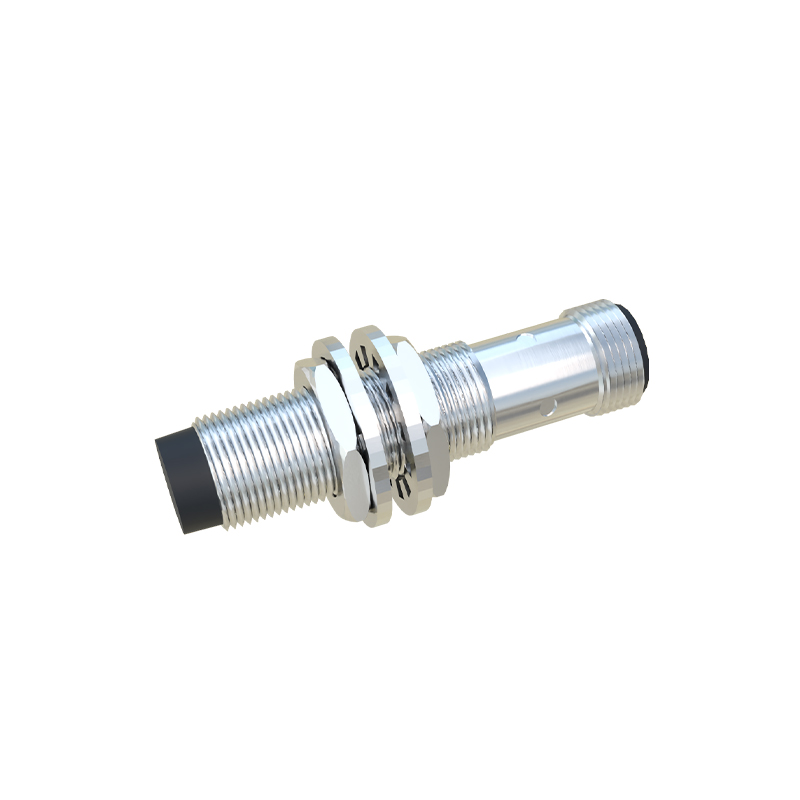
In contrast, proximity sensors, specifically inductive and capacitive types, detect objects through changes in an electromagnetic field. Inductive proximity sensors are the most common type for metallic object detection. They generate an oscillating electromagnetic field from a coil in their sensing face. When a ferrous or non-ferrous metal object enters this field, it induces eddy currents within the metal, causing a detectable change in the oscillation amplitude. This change triggers the sensor's output. Capacitive proximity sensors generate an electrostatic field and can detect both metallic and non-metallic materials (like plastic, wood, paper, or liquids) by measuring changes in capacitance when an object enters the field.
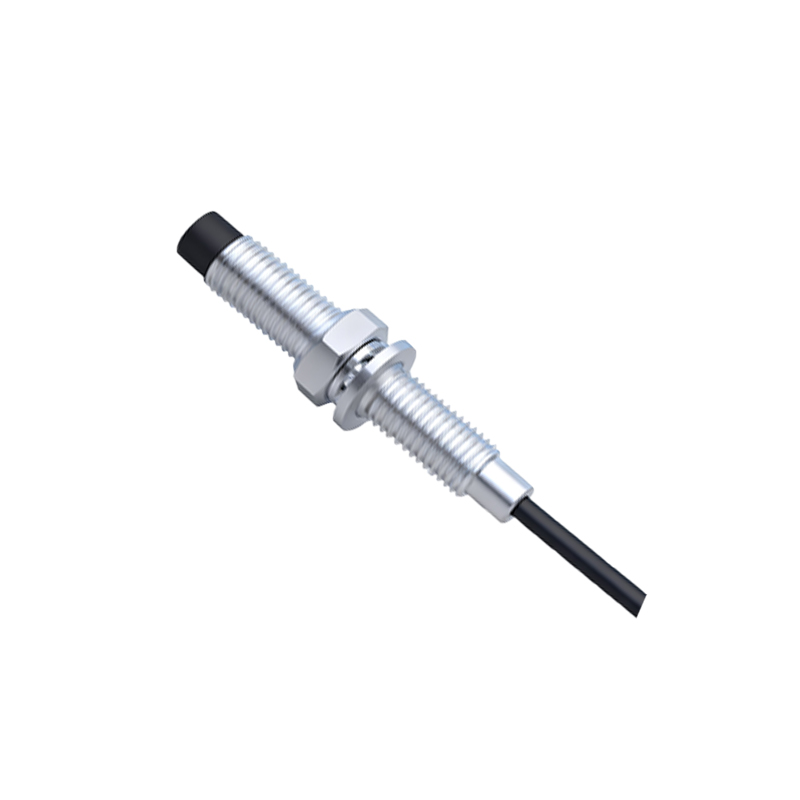
The primary advantages of proximity sensors are robustness and consistency in harsh environments. Inductive sensors, in particular, are virtually immune to common industrial contaminants like dust, oil, chips, and moisture. They do not require a clean optical path, making them ideal for dirty or wet conditions. They offer very consistent and repeatable detection, especially for metallic targets, with minimal sensing drift over time. Their main limitation is that inductive types only detect metals, and their sensing range is relatively short, typically from a few millimeters to about 60 millimeters. Capacitive sensors have slightly longer ranges but can be influenced by humidity or material composition changes.
Choosing between a photoelectric and a proximity sensor depends heavily on the application's specific parameters. For long-range detection, sensing non-metallic objects, detecting transparent materials, or needing a visible beam for alignment, a photoelectric sensor is the clear choice. Common applications include bottle counting on a conveyor, box height detection, web break monitoring, and door safety curtains.
Proximity sensors are the workhorses for short-range, reliable detection of metal parts. They excel in applications like counting gear teeth, detecting the position of a metal piston in a cylinder, verifying the presence of a nut on a bolt, or as end-of-travel limit switches on machinery. Capacitive sensors are perfect for level detection of liquids, grains, or powders inside non-metallic tanks, or for detecting filled vs. empty plastic bottles.
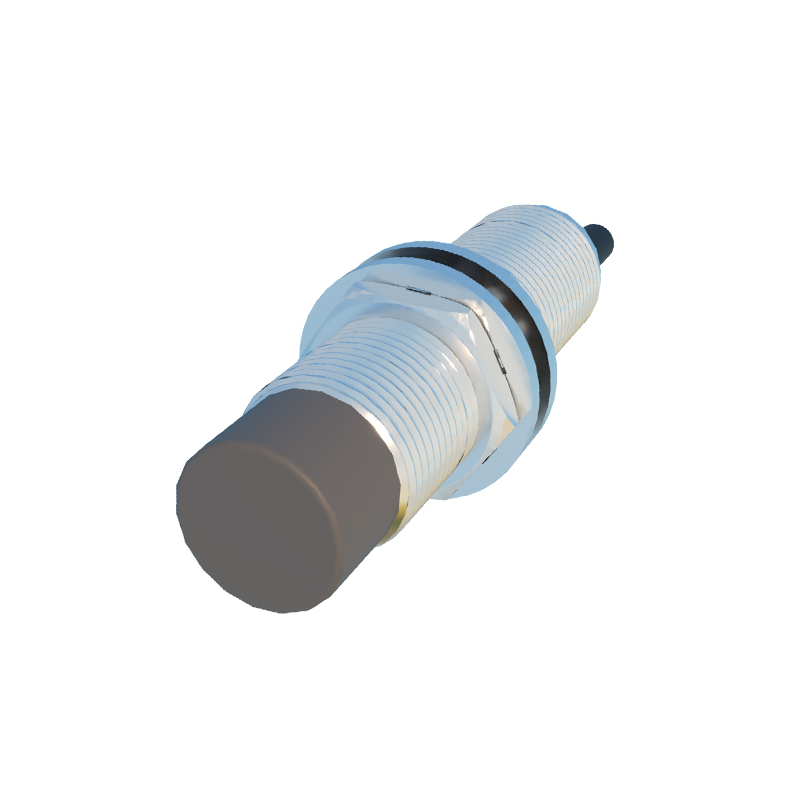
In summary, photoelectric sensors are the "eyes" of an operation, using light to see objects at a distance and across various materials. Proximity sensors act as the "touchless feelers," using electromagnetic fields to reliably sense the immediate presence of an object, particularly metal, in tough conditions. A thorough evaluation of the target material, required sensing distance, environmental challenges, and installation constraints will guide engineers and technicians to the optimal sensor, ensuring system reliability, efficiency, and longevity.