Proximity sensors are fundamental components in modern automation, robotics, and countless consumer devices. At the heart of their functionality lies a critical parameter: sensing range. This range, often specified as the nominal sensing distance, defines the maximum distance at which a sensor can reliably detect a standard target. Understanding this specification is crucial for selecting the right sensor and ensuring system reliability.
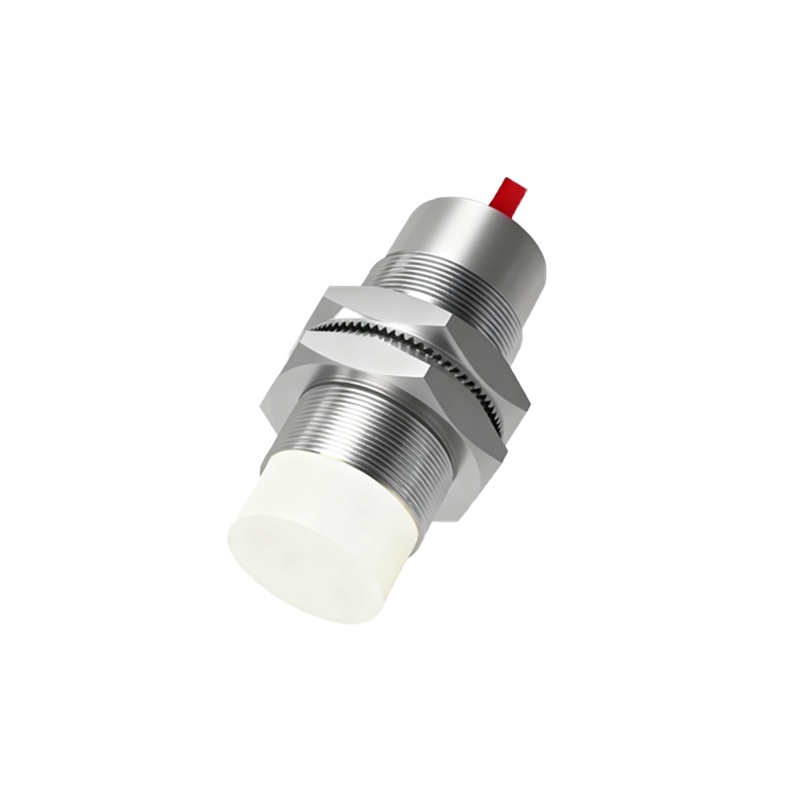
The effective range of a proximity sensor is not a single, fixed value but is influenced by a confluence of factors. Primarily, the sensing technology itself sets the baseline. Inductive sensors, which detect metallic objects, typically have shorter ranges, from a few millimeters up to about 60 millimeters, with their effectiveness decreasing with smaller target sizes. Capacitive sensors, capable of detecting both metallic and non-metallic materials like liquids or plastics, also generally operate at shorter distances, similar to inductive types. In contrast, photoelectric sensors, which use light beams, can offer much longer ranges, from centimeters to several meters, depending on whether they use a through-beam, retro-reflective, or diffuse reflective principle. Ultrasonic sensors, emitting sound waves, can cover distances from a few centimeters to over ten meters, making them versatile for level detection or large object sensing.
Beyond the core technology, several practical factors directly impact the real-world sensing range. The size, material, and shape of the target object are paramount. A larger, flat steel plate will be detected at a sensor's maximum nominal range, while a small, rounded plastic object may only be sensed at a fraction of that distance. Environmental conditions pose another significant challenge. For photoelectric sensors, ambient light, dust, fog, or steam can scatter or absorb the light beam, drastically reducing effective range. For ultrasonic sensors, temperature gradients and wind can affect sound wave propagation. Electrical noise in industrial environments can also interfere with sensor signals, causing false triggers or reduced sensitivity.
Installation and alignment are often overlooked yet critical aspects. A sensor must be mounted securely without vibration. For beam-based sensors, precise alignment is essential; even a slight misalignment can cause the beam to miss the receiver, effectively nullifying the range. The sensor's housing and the surrounding metal (for inductive sensors) can also influence the magnetic or electrical field, potentially shielding the detection zone.
A key concept in proximity sensing is the "operating point" and the associated hysteresis. The sensor switches its output state when the target enters the sensing range. However, to prevent rapid, oscillating switching if the target lingers at the edge of the range, sensors incorporate hysteresis. This means the target must move farther away (beyond the release point) to switch the output back. This differential between the operating point and release point ensures stable switching despite target vibration or sensor tolerance.
When specifying a sensor, engineers must consider the "effective operating distance." This is the practical range under actual operating conditions, which should be derated from the catalog's nominal value. A common best practice is to select a sensor with a nominal range 1.5 to 2 times greater than the required application distance. This safety factor compensates for target variations, environmental aging of components, temperature effects, and accumulation of dirt on the sensor face.
Applications leverage different ranges for specific purposes. Short-range inductive sensors are ubiquitous on assembly lines for precise part positioning or counting. Medium-range photoelectric sensors manage object detection on conveyors or in packaging machinery. Long-range ultrasonic sensors monitor bulk material levels in silos or control vehicle detection in automated parking systems. In consumer electronics, miniature infrared proximity sensors with a range of a few centimeters are used for smartphone display blanking during calls.
In conclusion, the stated range on a proximity sensor datasheet is a starting point. Successful implementation demands a thorough understanding of the technology's limitations and a careful assessment of the application's specific conditions—target properties, environment, and required reliability. By accounting for these variables and incorporating a prudent safety margin, designers can ensure robust and fail-safe operation, making the humble proximity sensor a dependable workhorse in automated systems.