Proximity sensors are a cornerstone of modern automation and industrial control systems. These non-contact devices detect the presence or absence of an object within a defined sensing range without physical contact. Their ability to operate reliably in harsh environments, provide fast response times, and offer long operational life makes them indispensable. The classification of proximity sensors is primarily based on their underlying detection technology. Each type possesses distinct operating principles, advantages, limitations, and ideal application scenarios. Understanding these differences is crucial for selecting the right sensor for a specific task.
The most common and widely used type is the inductive proximity sensor. This sensor generates an electromagnetic field from its sensing face. When a metallic object, typically ferrous metals like steel or iron, enters this field, it induces eddy currents within the target. The sensor detects the change in the oscillation amplitude of its internal LC circuit caused by these currents. Inductive sensors are renowned for their robustness, high switching frequency, and immunity to environmental factors like dust, oil, and moisture. They are the workhorse in metal detection applications such as machine tools, conveyor systems, and robotic arms for position verification. However, their key limitation is that they only detect metallic objects.
For applications requiring the detection of non-metallic materials—including plastics, wood, glass, liquids, and granular substances—capacitive proximity sensors are the solution. These sensors function similarly to an open capacitor. The sensor's active surface acts as one plate, and the target object acts as the other. The sensor generates an electrostatic field. When any object with a dielectric constant different from air enters this field, it alters the capacitance, which the sensor's circuitry detects. Capacitive sensors can detect virtually any material and are often used for level detection in tanks (liquid or powder), material handling, and presence detection of non-metallic objects. They can be sensitive to environmental changes like humidity and require careful calibration.
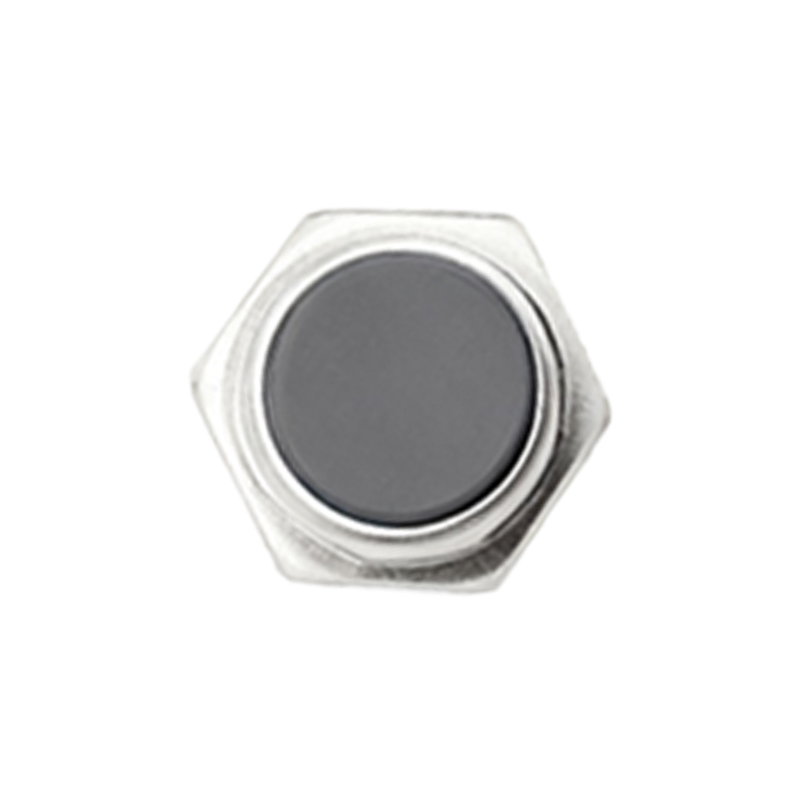
Another major category is the photoelectric sensor, which uses light for detection. These are further subdivided into three main operating modes. The through-beam (or opposed) mode consists of a separate transmitter and receiver. Detection occurs when the target object interrupts the light beam. This mode offers the longest sensing range and highest reliability. The retro-reflective mode uses a single unit that emits light and a reflector that bounces it back. The object is detected when it blocks the reflected beam. The diffuse (or proximity) mode relies on the target object itself to reflect the emitted light back to the receiver housed in the same unit. Photoelectric sensors are versatile, capable of detecting objects of various colors, materials, and finishes over considerable distances. They are prevalent in packaging, material handling, and safety light curtains.
Magnetic proximity sensors, often called reed switches or Hall-effect sensors, detect the presence of a magnetic field, usually from a permanent magnet. Reed switches consist of two ferromagnetic reeds sealed in a glass tube. When a magnet approaches, the reeds attract and close the electrical contact. Hall-effect sensors produce a voltage output proportional to the strength of the magnetic field. These sensors are characterized by their simplicity, low power consumption, and ability to operate in completely sealed environments. They are ideal for applications where the sensor itself must be isolated, such as detecting the position of a cylinder piston (using an embedded magnet) in hydraulic or pneumatic systems, or in security systems for door/window status monitoring.
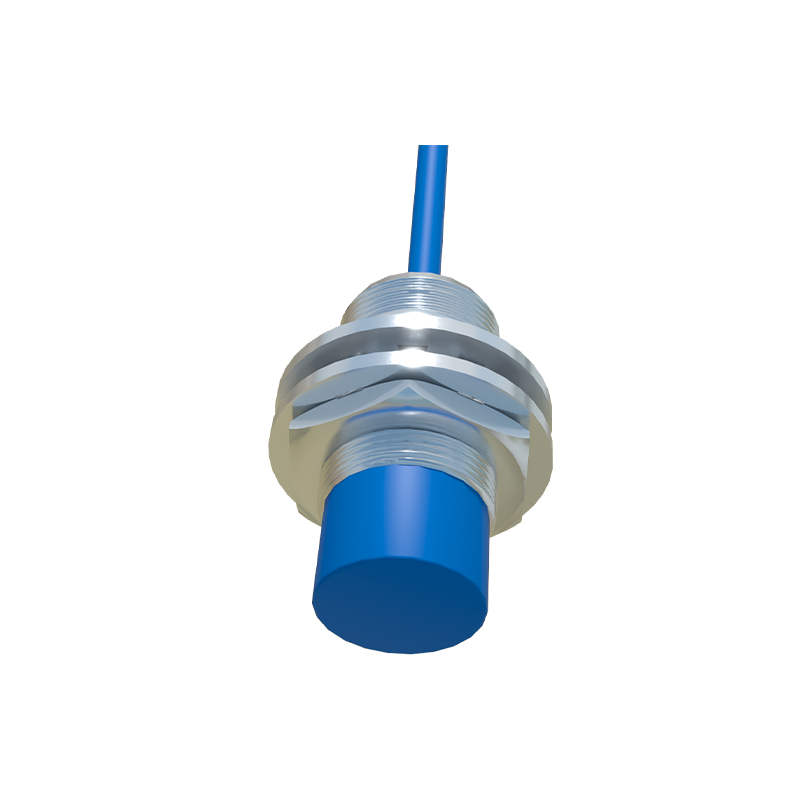
Ultrasonic proximity sensors operate by emitting high-frequency sound waves (ultrasound) and evaluating the reflected echo. They measure the time interval between sending the signal and receiving the echo to calculate the distance to the target. Unlike other types, ultrasonic sensors can provide precise distance measurement, not just presence detection. They are excellent for detecting objects regardless of material, color, or transparency, and perform well in challenging environments with dust, smoke, or fog. Common applications include liquid level sensing, collision avoidance in AGVs (Automated Guided Vehicles), and loop control in winding machines.
The selection process for a proximity sensor involves a careful analysis of several key parameters. The nature of the target material (metal, plastic, liquid) is the primary filter. The required sensing distance, environmental conditions (temperature, presence of contaminants), required output type (digital NPN/PNP, analog), switching frequency, and installation constraints all play a critical role. For instance, an inductive sensor is perfect for counting metal gears on a high-speed assembly line, while an ultrasonic sensor is better suited for monitoring the fill level of a chemical tank. By matching the sensor's inherent strengths to the application's specific demands, engineers can ensure reliable, efficient, and long-lasting system performance across countless industries, from automotive manufacturing to food processing and beyond.