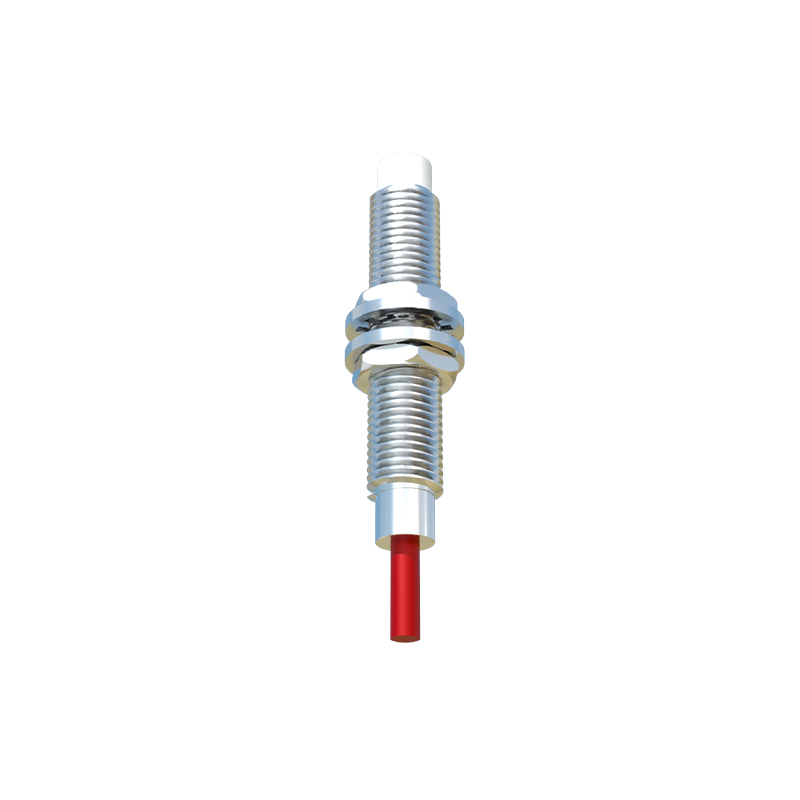
In industrial automation, logistics, and security systems, the ability to detect objects from a significant distance without physical contact is a critical requirement. Long-range proximity sensors have emerged as a pivotal technology to meet this demand, offering reliable detection capabilities that extend far beyond the reach of their standard counterparts. Unlike typical inductive or capacitive sensors limited to a few millimeters or centimeters, long-range variants can reliably sense objects from several meters away, opening up new possibilities for system design and process optimization.
The core technology enabling extended detection ranges varies by sensor type. For metallic object detection, long-range inductive proximity sensors utilize specialized coil designs and advanced oscillation circuits to amplify the sensing field. However, the fundamental physics of eddy current generation still limits their maximum range, with specialized models achieving up to 120mm for ferrous metals. To bridge the gap for greater distances, other technologies take the forefront.
Ultrasonic sensors are a dominant solution for long-range non-contact detection, capable of measuring distances from a few centimeters to over 10 meters. They operate by emitting high-frequency sound pulses and calculating the time-of-flight for the echo to return. These sensors are largely material-agnostic, reliably detecting solids, liquids, and even transparent objects like glass, making them exceptionally versatile. Their performance can be affected by environmental factors such as temperature fluctuations, air turbulence, and absorbent surface materials, but modern models incorporate temperature compensation for improved accuracy.
For the longest ranges, photoelectric sensors are the undisputed champions. Through-beam sensors, where a separate emitter and receiver are aligned, offer the maximum sensing distance, with some high-power models capable of detecting objects at ranges exceeding 100 meters. They provide a high signal-to-noise ratio and are excellent for precise detection in challenging environments. Retro-reflective sensors, which use a reflector to bounce the light beam back to a combined emitter/receiver unit, offer a practical compromise with easier alignment and ranges often up to 20 meters. Diffuse or proximity-mode sensors, which detect light reflected directly from the target, have shorter ranges but are ideal for applications where only one side of the detection point is accessible.
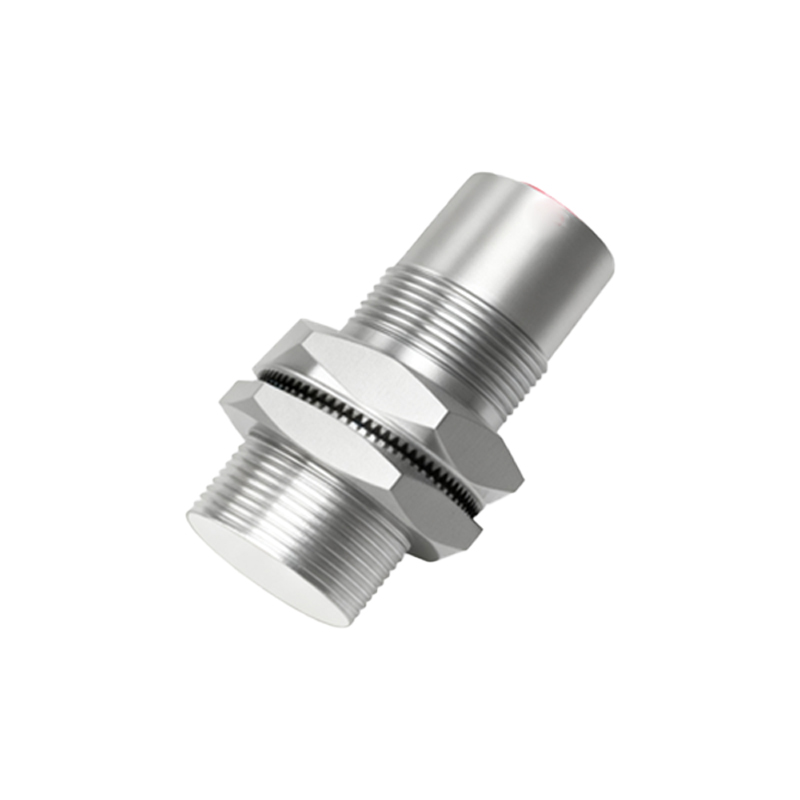
The selection of a long-range sensor is dictated by the specific application parameters. Key considerations include the required sensing distance, the size and material of the target object, environmental conditions (presence of dust, fog, ambient light), required response speed, and installation constraints. In warehouse automation, for instance, long-range photoelectric sensors monitor the movement of goods on high racks or control the spacing of items on conveyor lines over long stretches. In the automotive industry, they are used for vehicle positioning in assembly stations or for safeguarding perimeter access gates.
Security and access control represent another major application area. Sensors with ranges of 5 to 15 meters can detect approaching personnel or vehicles, triggering lighting, automatic doors, or surveillance systems. In agricultural automation, ultrasonic sensors monitor fill levels in large silos, while long-range photoelectric sensors can count livestock or equipment entering a wide gate.
Modern advancements continue to push the boundaries. Laser-based time-of-flight (ToF) sensors provide extremely precise long-distance measurement. Radar sensors, particularly in the 24 GHz or 60 GHz frequency bands, are gaining traction for applications requiring detection through certain non-metallic materials or in adverse weather conditions. Furthermore, the integration of IO-Link and other digital communication protocols allows for remote configuration, diagnostics, and parameter adjustment, simplifying maintenance and enhancing system intelligence.
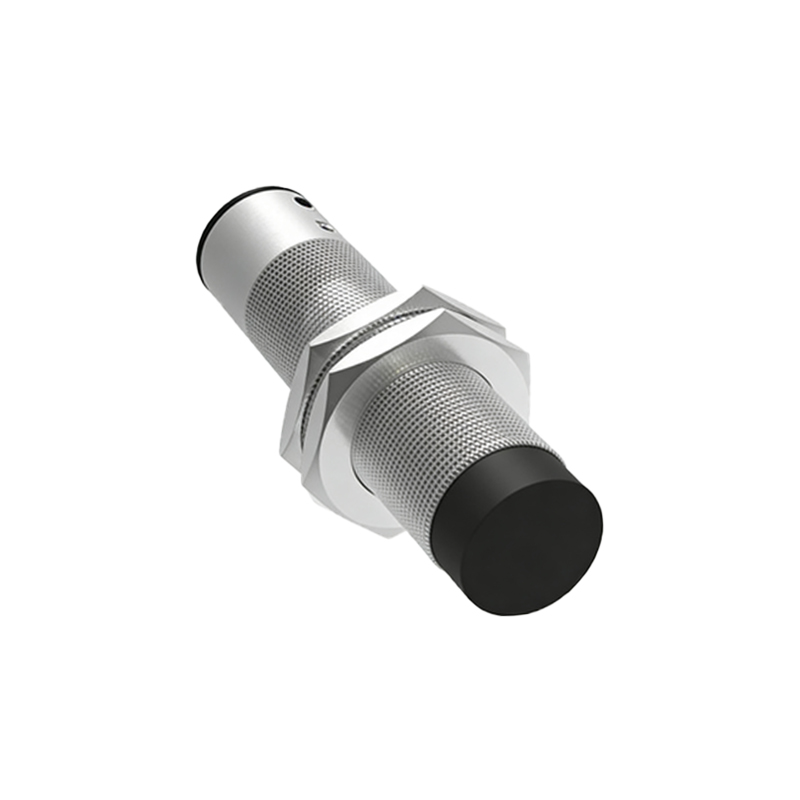
Implementing long-range sensing solutions requires careful planning. Alignment is crucial, especially for optical types; even a slight misalignment can cause failure at long distances. Power requirements are often higher, and housing must be robust to protect sensitive electronics. Understanding the sensor's effective beam pattern or sensing field is essential to avoid false triggers from background objects.
In conclusion, long-range proximity sensors are indispensable tools for modern industrial and commercial systems. By understanding the strengths and limitations of ultrasonic, photoelectric, and specialized inductive technologies, engineers can design safer, more efficient, and highly automated processes. The ongoing evolution of sensing technology promises even greater ranges, higher precision, and smarter, connected devices that will further transform automation landscapes.