In an increasingly automated world, the silent, unseen work of proximity detection sensors forms the backbone of countless interactions between machines and their environment. These sophisticated electronic devices, often no larger than a coin, are engineered to detect the presence or absence of nearby objects without any physical contact. Their operation hinges on emitting a field or a beam of electromagnetic radiation, typically infrared light, and then analyzing the changes in the return signal. When an object enters this predefined field, it causes a detectable shift—a reflection, a change in capacitance, or an interruption—which the sensor's circuitry interprets as a "presence." This simple, contactless principle belies its profound impact, enabling functionalities that range from basic safety to complex user interface enhancements.
The applications of proximity sensors are astonishingly diverse, permeating both industrial and consumer domains. On factory floors, they are indispensable for precise object counting, machine guarding, and ensuring robotic arms operate within safe boundaries, preventing costly collisions and protecting human workers. In the consumer electronics we use daily, these sensors are the unsung heroes. Consider a modern smartphone: when you raise it to your ear during a call, a proximity sensor detects your cheek and automatically turns off the display to prevent accidental screen presses and save battery life. Similarly, in laptops, sensors can detect when a user is present to wake the device from sleep mode, streamlining the user experience. Beyond this, they are critical in automotive systems for parking assistance, in retail for automatic doors, and in home appliances like touchless faucets and soap dispensers, promoting hygiene and convenience.
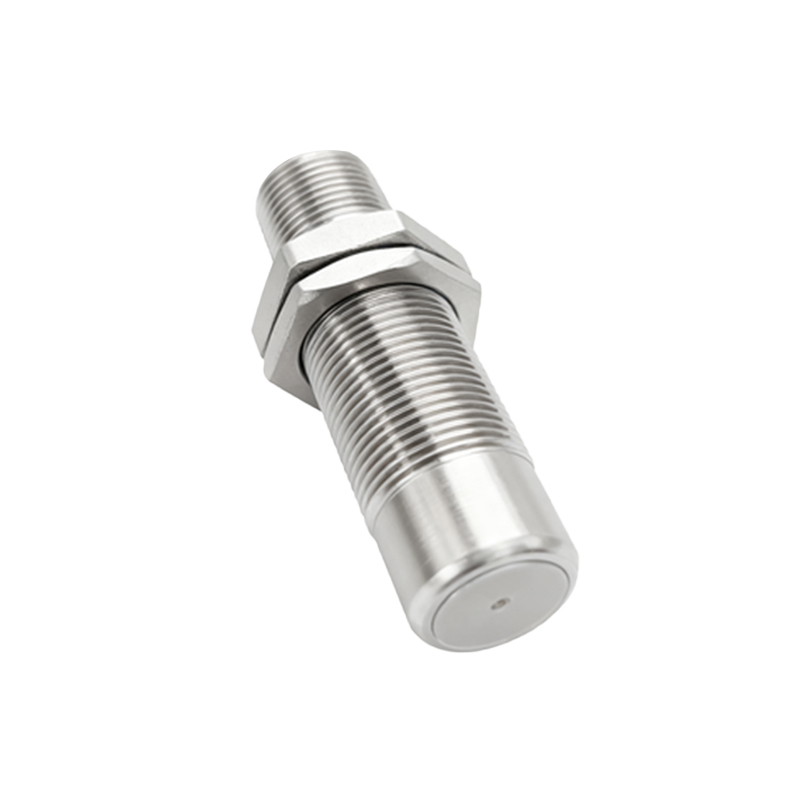
Several core technologies underpin the functionality of proximity sensors, each with unique advantages. Infrared (IR) sensors are among the most common, using an IR LED to emit light and a photodiode to measure its reflection. They are cost-effective and reliable for short to medium-range detection. Ultrasonic sensors, which emit high-frequency sound waves and measure their echo, excel in harsh environments where dust, smoke, or varying light conditions might foil optical systems. Inductive sensors generate an electromagnetic field to detect metallic objects, making them perfect for heavy-duty industrial metal detection tasks. Capacitive sensors, on the other hand, can detect both metallic and non-metallic materials like liquids or plastics by sensing changes in an electrical field, offering great versatility. The choice of technology is a careful calculus of range, target material, environmental conditions, and cost.
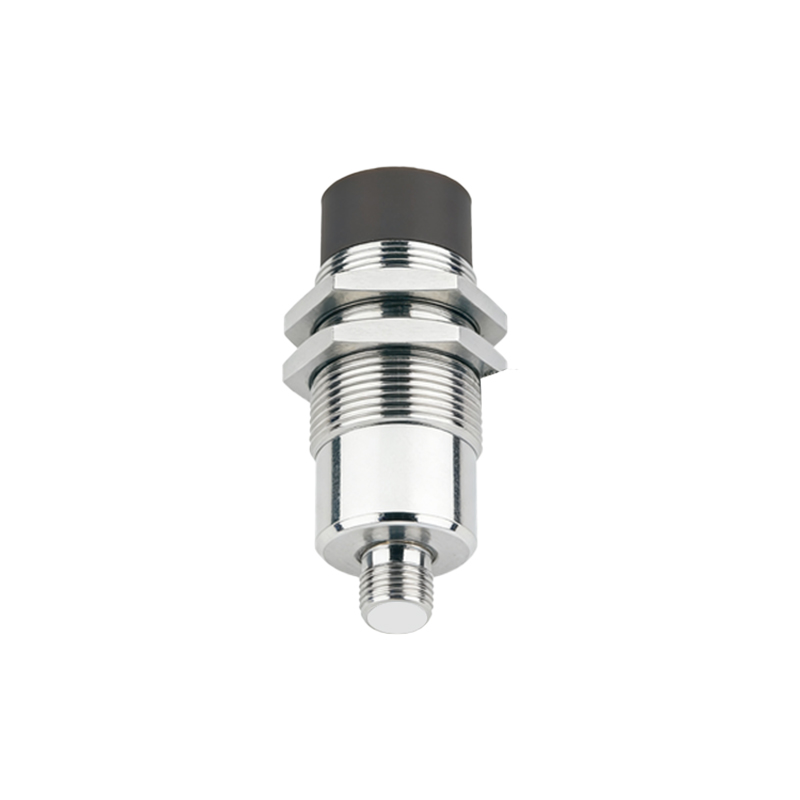
Looking ahead, the evolution of proximity sensing is tightly interwoven with broader technological trends like the Internet of Things (IoT) and Artificial Intelligence (AI). Future sensors will not merely detect presence but will gather richer contextual data—distance, speed, shape, and even material composition—with higher accuracy and lower power consumption. Miniaturization will continue, allowing their integration into ever-smaller wearable devices and medical implants. In smart cities, networks of advanced proximity sensors will manage traffic flow, monitor public space occupancy, and enhance security systems. Furthermore, by feeding data into AI algorithms, these sensors will enable predictive behaviors; for instance, a smart home system could anticipate a user's movement from room to room to adjust lighting and climate control preemptively. As they become more intelligent, adaptive, and interconnected, proximity detection sensors will further fade into the background of our physical world, even as their role as essential, invisible guardians becomes more critical than ever.