In the realm of industrial automation, photoelectric proximity sensors are indispensable components for non-contact detection, object positioning, and process control. Their ability to sense objects regardless of material composition—be it metal, plastic, glass, or liquid—makes them exceptionally versatile. The market is dominated by several established brands, each offering distinct technological advantages, reliability standards, and application-specific solutions. This article provides an overview of the leading manufacturers shaping this critical sector.
Omron, a Japanese multinational, is frequently at the forefront of sensor technology. Renowned for their innovation and durability, Omron's photoelectric sensors, such as the E3Z and E3S-C series, are celebrated for high precision, long sensing distances, and robust construction suitable for harsh environments. Their offerings often include advanced features like background suppression, fiber-optic variants, and easy-to-configure models with built-in amplifiers. Omron's global support network further solidifies its position as a top choice for engineers.
Sick AG, a German sensor specialist, is synonymous with high performance and cutting-edge technology. Sick's photoelectric sensor portfolio is vast, catering to extremely demanding applications in logistics, packaging, and automotive industries. Products like the WTT series for contrast detection or the MHT series for color recognition demonstrate their focus on specialized sensing tasks. Sick sensors are engineered for exceptional reliability, often featuring IO-Link communication for smart factory integration and diagnostic capabilities.

Keyence, another Japanese powerhouse, is known for pushing the boundaries of what photoelectric sensors can achieve. They emphasize ultra-compact designs, incredibly fast response times, and user-friendly setup. Keyence's sensors, such as the PZ-G series or the FU series, often incorporate laser technology for micron-level precision. Their strength lies in solving complex detection challenges with innovative form factors and intuitive configuration software, making them popular in high-precision manufacturing and electronics assembly.
Rockwell Automation (Allen-Bradley), a major player in North American industrial control, provides photoelectric sensors that seamlessly integrate into their broader ecosystem of PLCs, drives, and software. Their 42AF and 45AF RightSight SENSORS are designed for ease of use and reliability. The primary advantage is native compatibility with Allen-Bradley control systems, simplifying wiring, configuration, and troubleshooting within a unified architecture, which is a significant benefit for large-scale industrial plants.
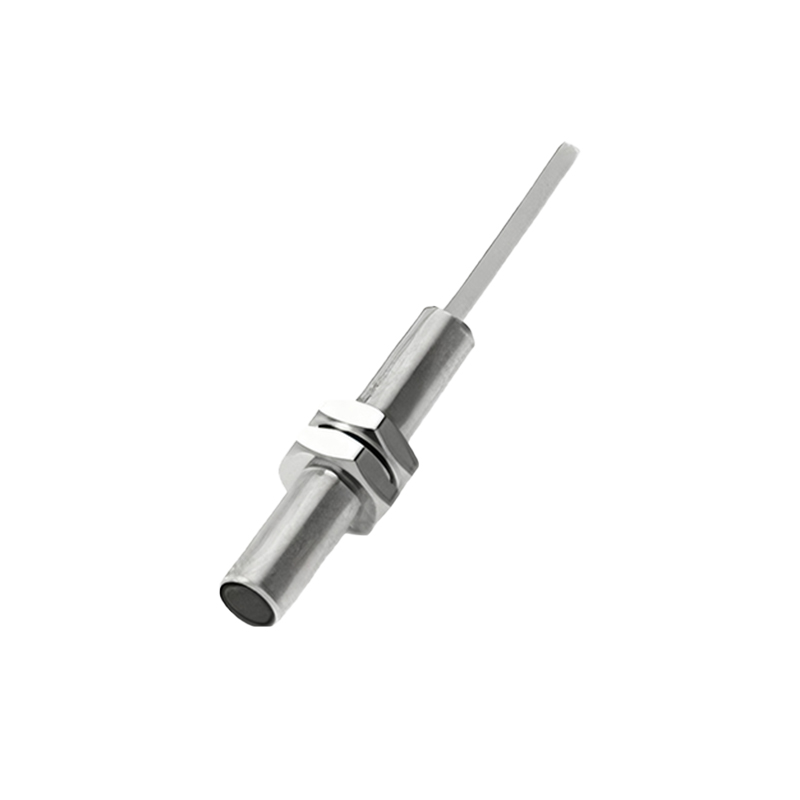
Balluff, a German company, excels in providing robust and innovative sensor solutions with a strong focus on Industrial Internet of Things (IIoT). Their photoelectric sensors, including the BOS series, are known for high quality, modularity, and IO-Link functionality. Balluff often provides exceptional flexibility with various housing styles, sensing modes (e.g., diffuse, retro-reflective, through-beam), and connection options, making them ideal for customized automation solutions and smart manufacturing environments.
Pepperl+Fuchs, a global leader in intrinsic safety and sensor technology, offers a comprehensive range of photoelectric sensors renowned for their ruggedness. They provide standard models for general purposes and specialized devices for extreme conditions, such as washdown areas in food & beverage or hazardous locations. Their product lines, like the ML100 or UC series, are built to withstand vibration, temperature extremes, and corrosive chemicals, ensuring long-term operation in challenging settings.
Banner Engineering, an American firm, is highly regarded for its engineering-centric approach and strong value proposition. They offer a wide array of photoelectric sensors known for reliability, innovative features like patented technology for sensing difficult targets, and competitive pricing. Series like the QS18 or EZ-BEAM provide versatile, high-performance options. Banner's strength is delivering robust performance across a broad spectrum of applications without compromising on quality, backed by excellent technical support.
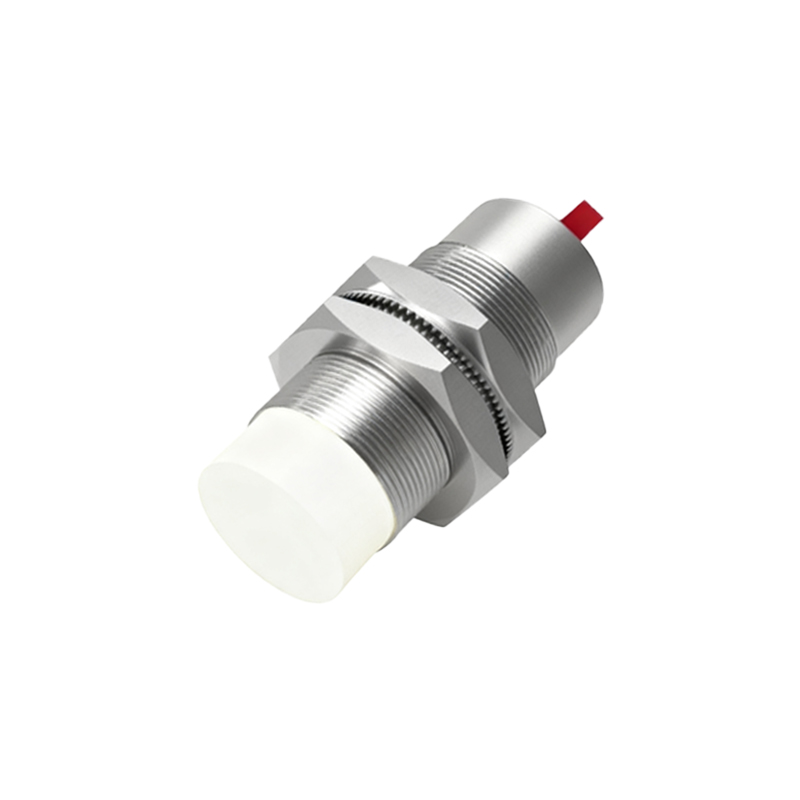
When selecting a photoelectric proximity sensor brand, engineers must consider application requirements—sensing distance, target material, environmental conditions, required output, and communication protocols. Integration with existing control systems, total cost of ownership, and local technical support are equally critical. The brands listed above represent the pinnacle of the industry, each contributing to the advancement of automation with their unique strengths in innovation, reliability, and specialized application expertise. The continuous evolution in miniaturization, smart connectivity, and enhanced durability from these manufacturers drives efficiency and intelligence in modern factories worldwide.